

Partner Countries
Our partnerships with National Societies worldwide
These partnerships connect the Netherlands Red Cross to National Red Cross and Red Crescent Societies that lead the humanitarian response in their own countries. Many of them, particularly across Africa, are large, well-established organisations in their own right, working with a wide range of partners and setting their own priorities. The Netherlands Red Cross is one of those partners, contributing funding, technical expertise, and access to the wider Red Cross and Red Crescent network in countries where it has built long-term relationships, some going back decades.
Central African Republic
The Central African Republic faces one of the most severe humanitarian crises in the region, with 56 per cent of the population needing assistance in 2023. Years of political and security turmoil since 2013, compounded by conflict over gold and diamond mining in the northwest and centre, have left 71 per cent of the population living below the international poverty line.
More info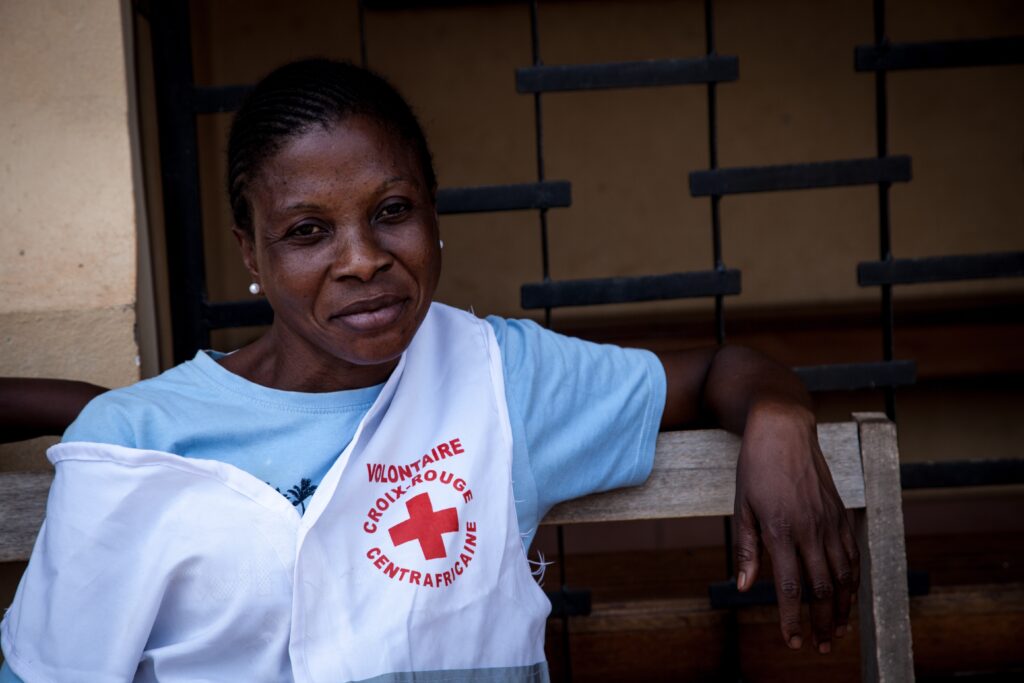
Ethiopia
Ethiopia faces some of the most complex and overlapping humanitarian challenges in the world. Conflict, recurring drought, flooding and economic instability have left an estimated 21.4 million people in need of humanitarian assistance.
More info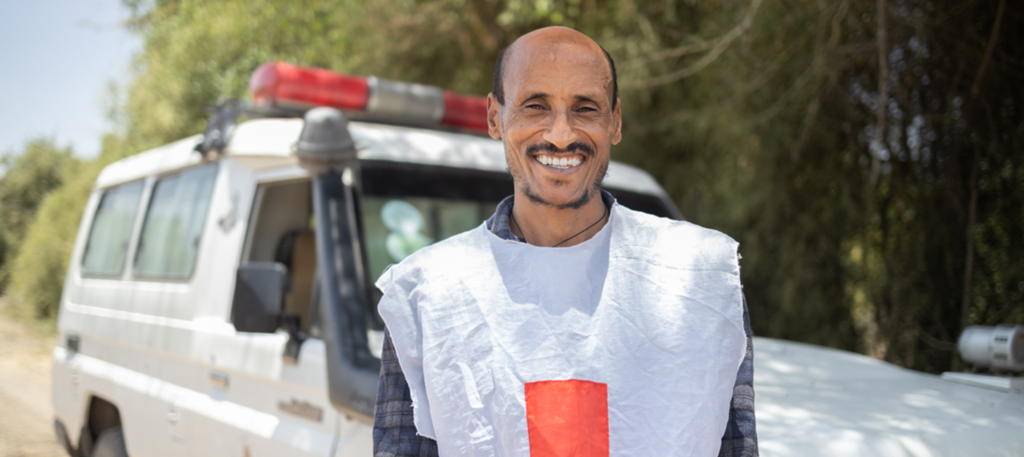
Lebanon
Lebanon is facing a severe and escalating humanitarian emergency. Hostilities have flared repeatedly since October 2023, and a major escalation on 2 March 2026 triggered airstrikes across South Lebanon, Nabatieh, Beirut’s southern suburbs, Bekaa and Baalbek-El Hermel.
More info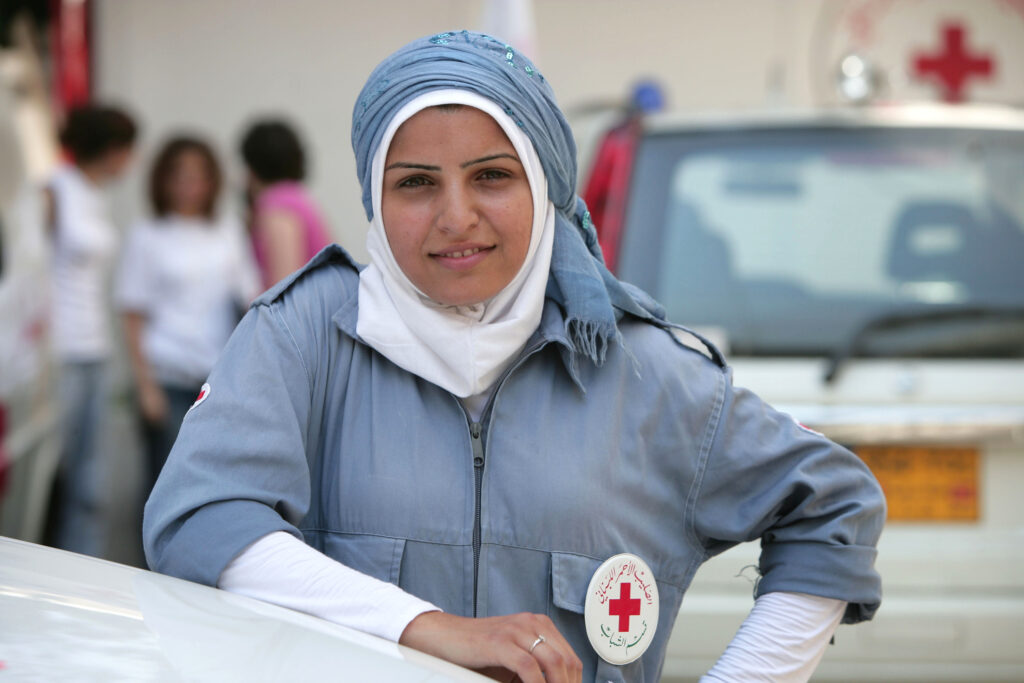
Mali
Mali faces one of the most complex humanitarian crises in the Sahel. In 2025, an estimated 28 per cent of the population needed humanitarian assistance, with needs concentrated in the conflict-affected north and centre.
More info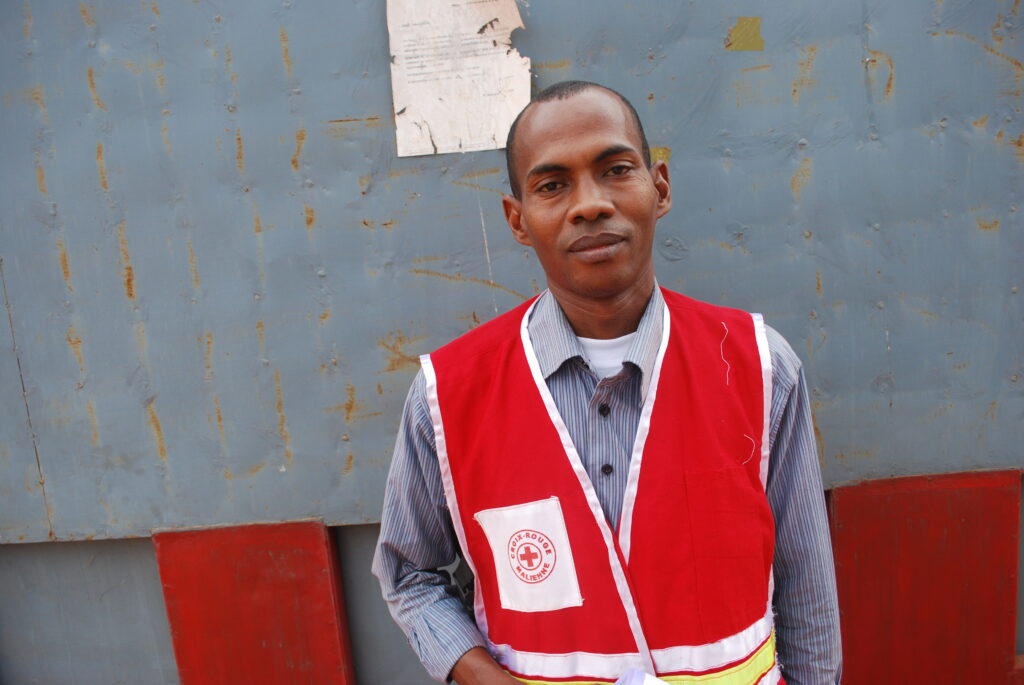
Occupied Palestinian Territory
Gaza’s 2.1 million residents faced urgent shortages of food and basic supplies as an earlier ceasefire collapsed and a tightened blockade led to a declared famine in September 2025.
More info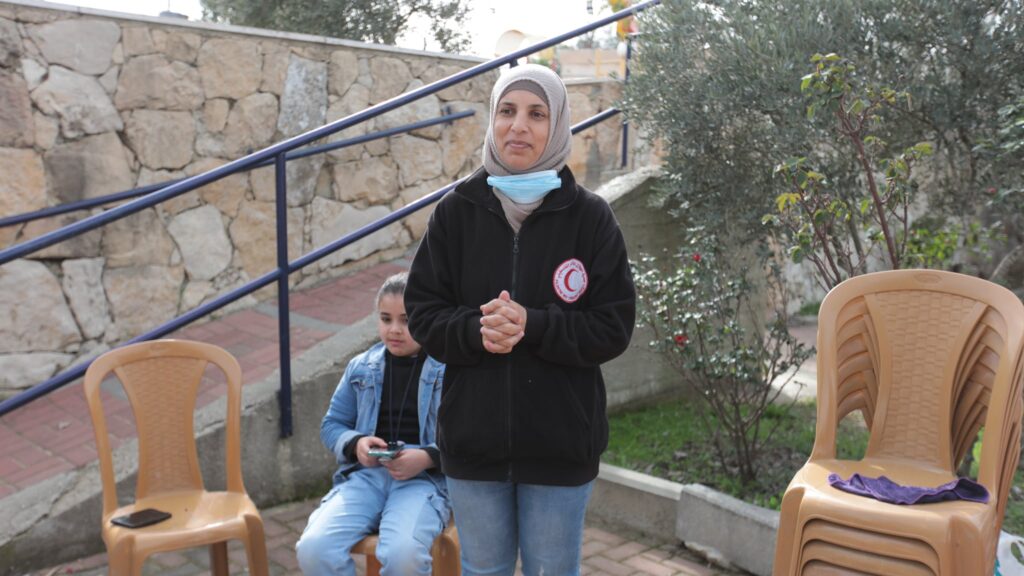
South Sudan
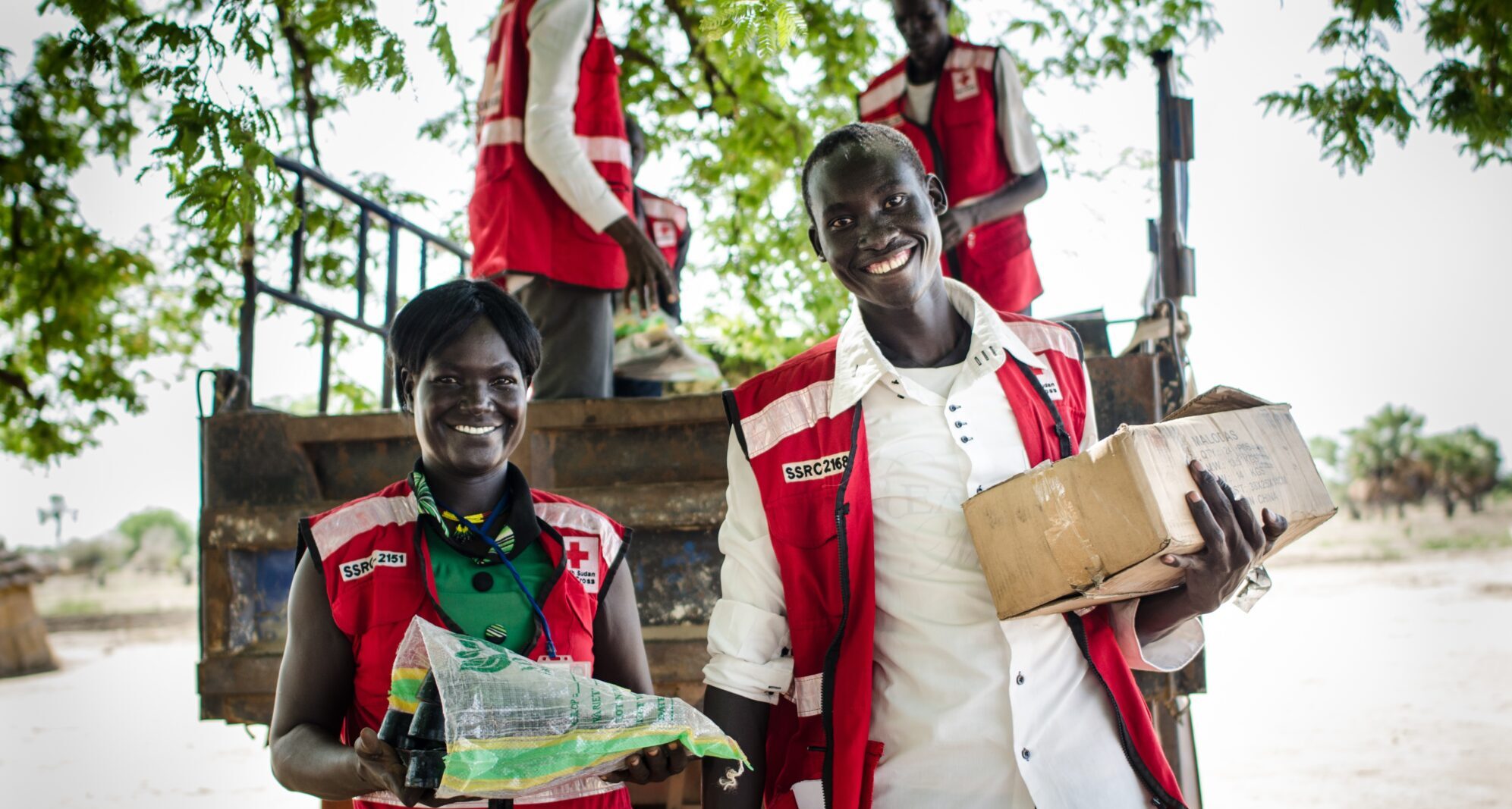
South Sudan, independent since 2011, remains one of the world’s most fragile humanitarian contexts. An estimated 10 million people, including refugees, need humanitarian assistance, and 2.5 million are displaced within the country.
More info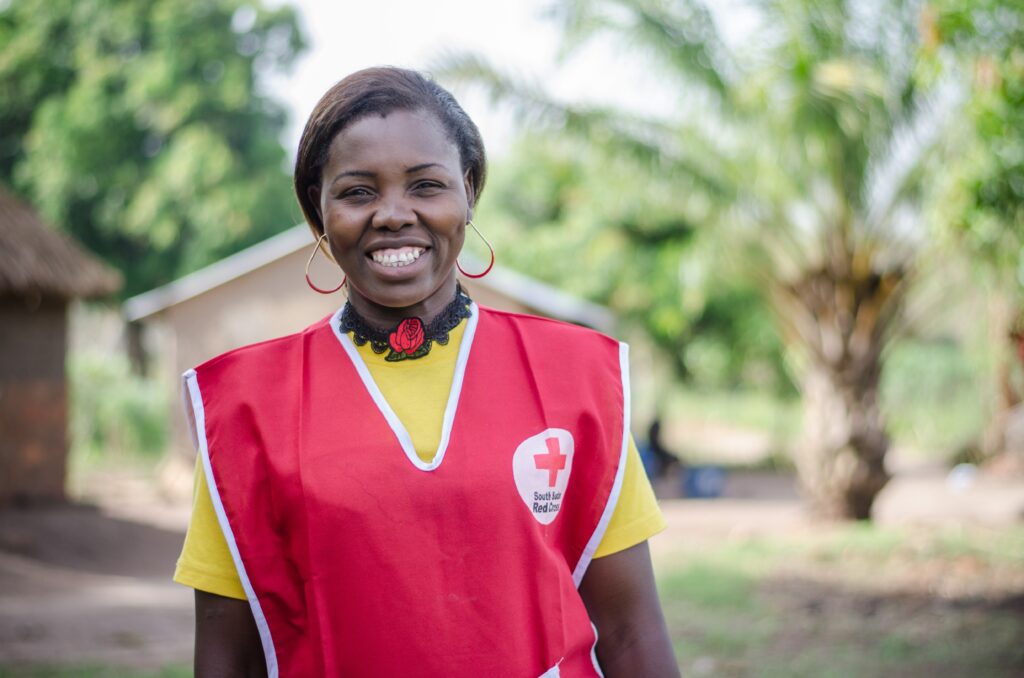
Sudan
Sudan is facing the world’s largest internal displacement crisis. Since fighting broke out in April 2023, more than 8.5 million people remain displaced and nearly two-thirds of the population need humanitarian assistance. Widespread food insecurity, disease outbreaks and floods continue to compound the crisis.
More info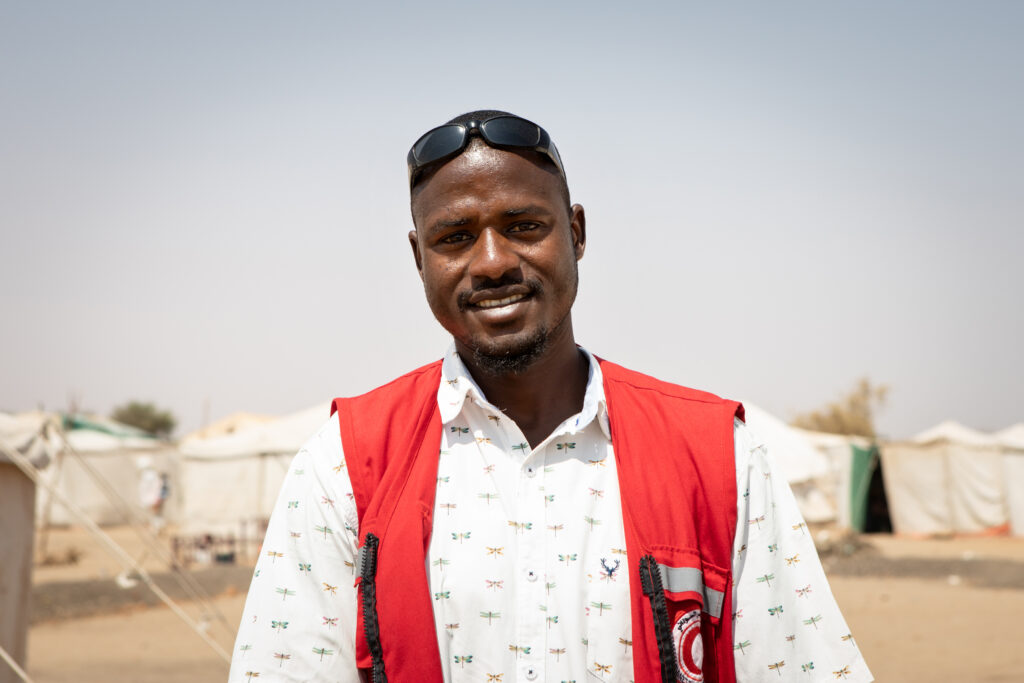
Zambia
Zambia continues to grapple with deep, structural poverty: 61 per cent of the population lives below the poverty line, and 42 per cent in extreme poverty. Prolonged droughts, flash floods and disease outbreaks such as cholera compound this vulnerability, and Zambia is currently facing a drought affecting the wider Southern African region.
More info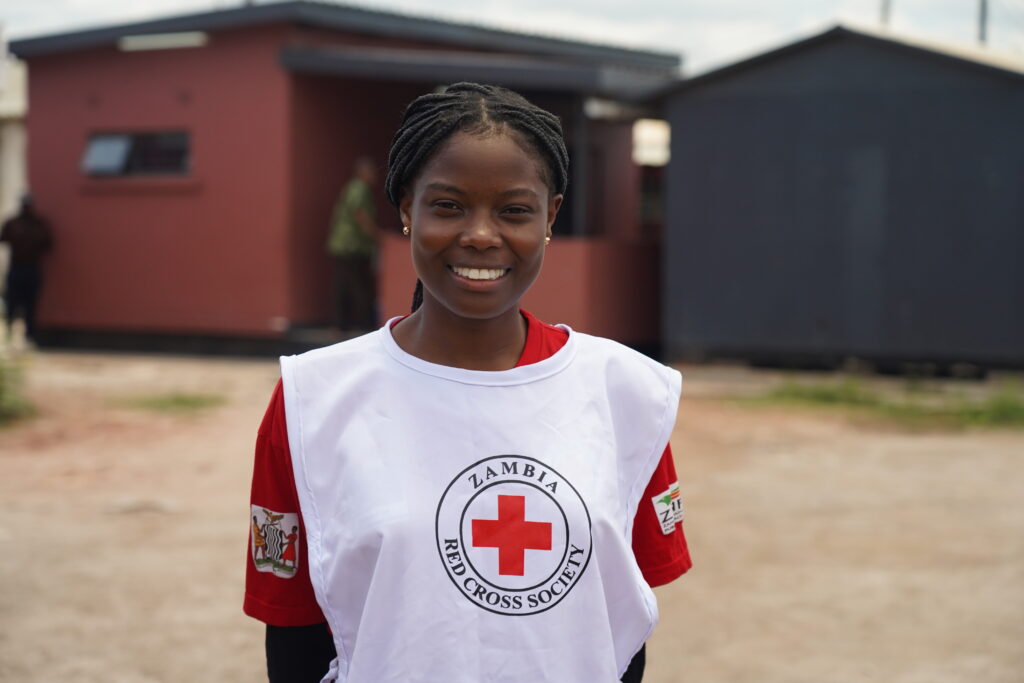
Aruba
Aruba faces a high cost of living, heavy dependence on imports, and, together with Curaçao, it is one of the main destinations in the region for migrants from Venezuela, straining housing, healthcare and social services.
More info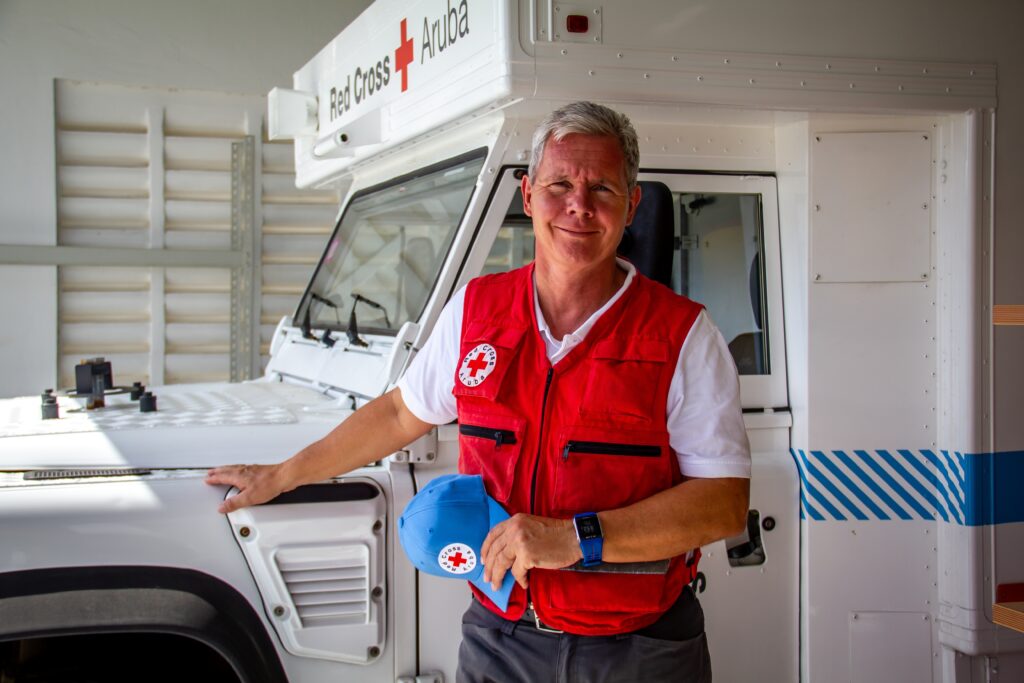
Curaçao
Curaçao faces a high cost of living, heavy dependence on imports, and, together with Aruba, it is one of the main destinations in the region for migrants from Venezuela, straining housing, healthcare and social services.
More info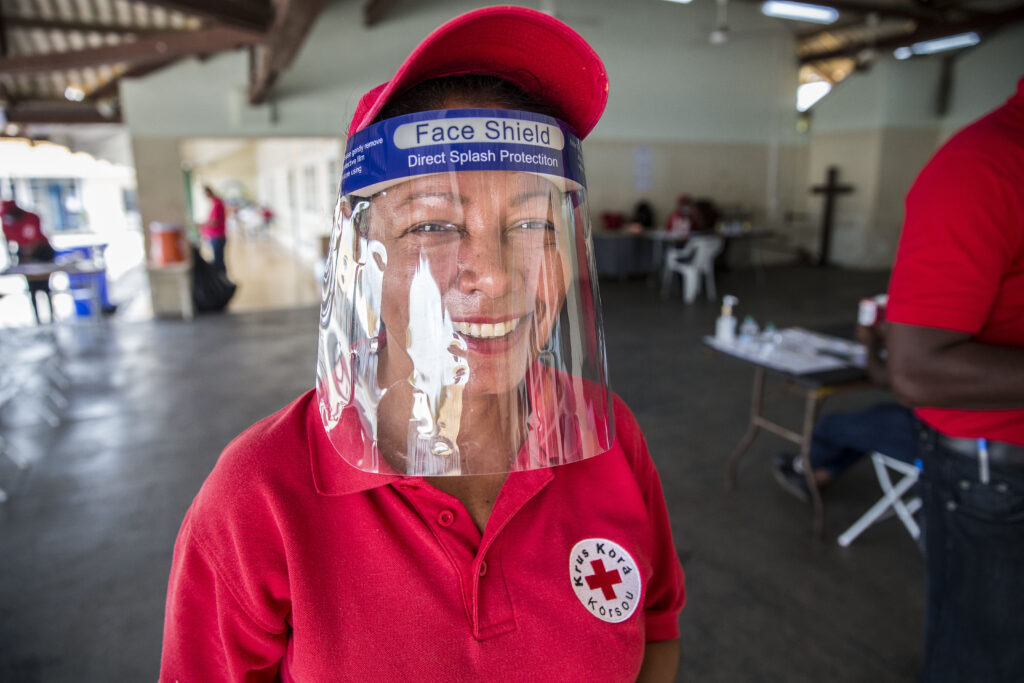
Sint Maarten
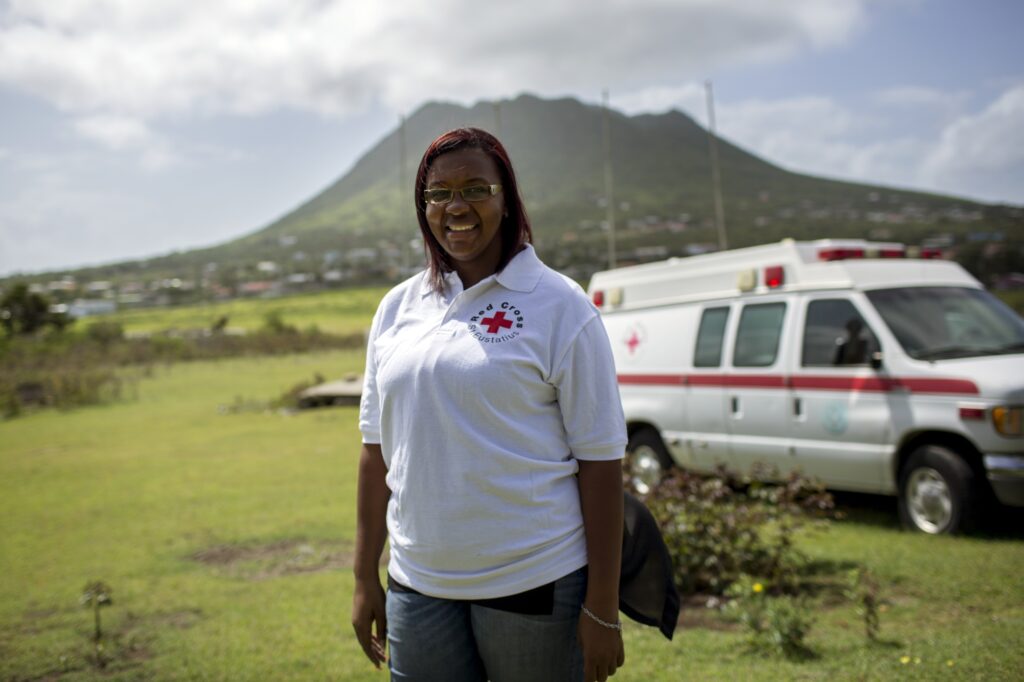
Sint Maarten sits directly in the Atlantic hurricane belt, alongside Saba and Sint Eustatius, facing increasingly frequent and intense storms, together with flooding, heat and drought.
More info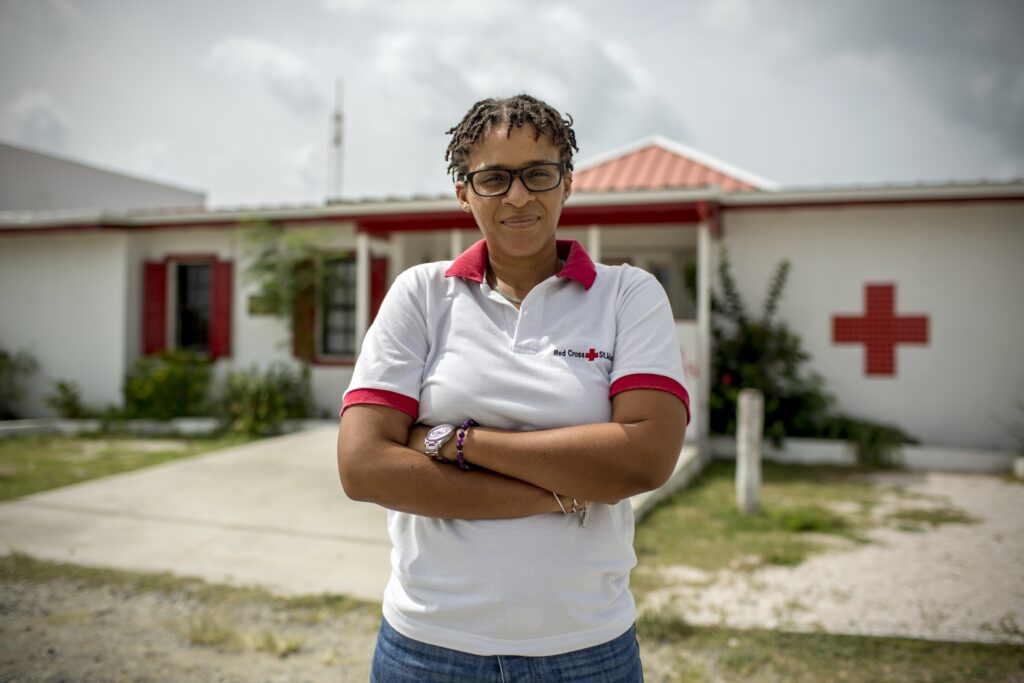
Caribbean Netherlands
Bonaire, Sint Eustatius and Saba, together known as the Caribbean Netherlands since 10 October 2010, are three small special municipalities of the Netherlands itself, each facing a different climate risk.
More info