

South Sudan Red Cross Strategic Plan 2022-2026
27 October 2026
South Sudan, independent since 2011, remains one of the world’s most fragile humanitarian contexts. An estimated 10 million people, including refugees, need humanitarian assistance, and 2.5 million are displaced within the country. Conflict, economic decline, disease outbreaks and recurring food insecurity weigh on communities, while floods, drought and extreme heat destroy livelihoods and infrastructure and make each recovery harder than the last. With humanitarian funding under growing pressure, local systems need to be strong enough to anticipate, prepare for and manage the next shock.
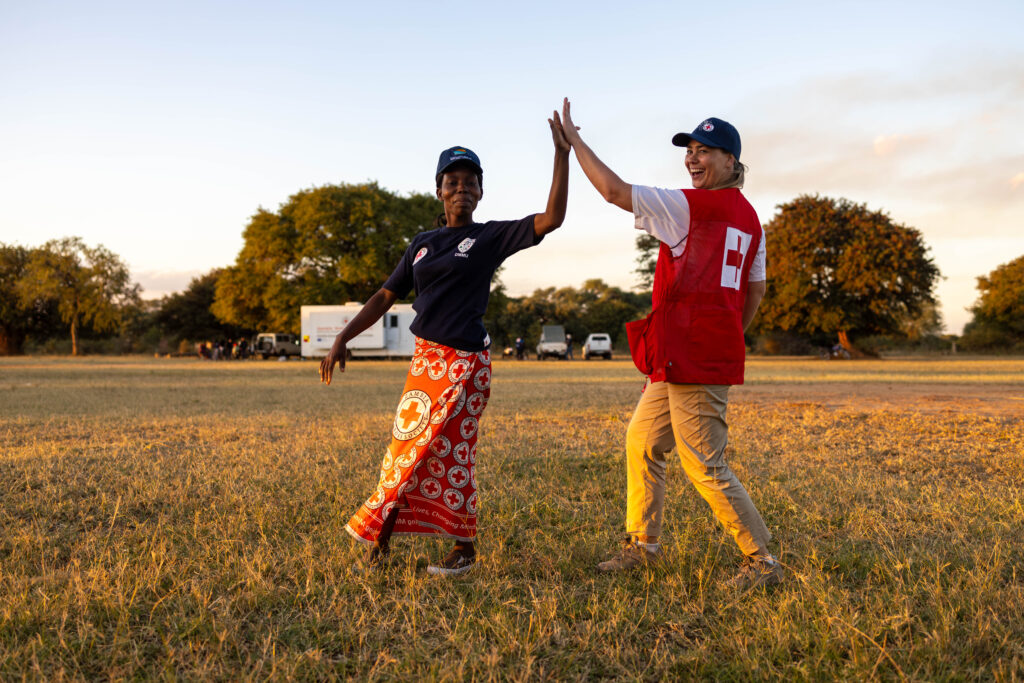
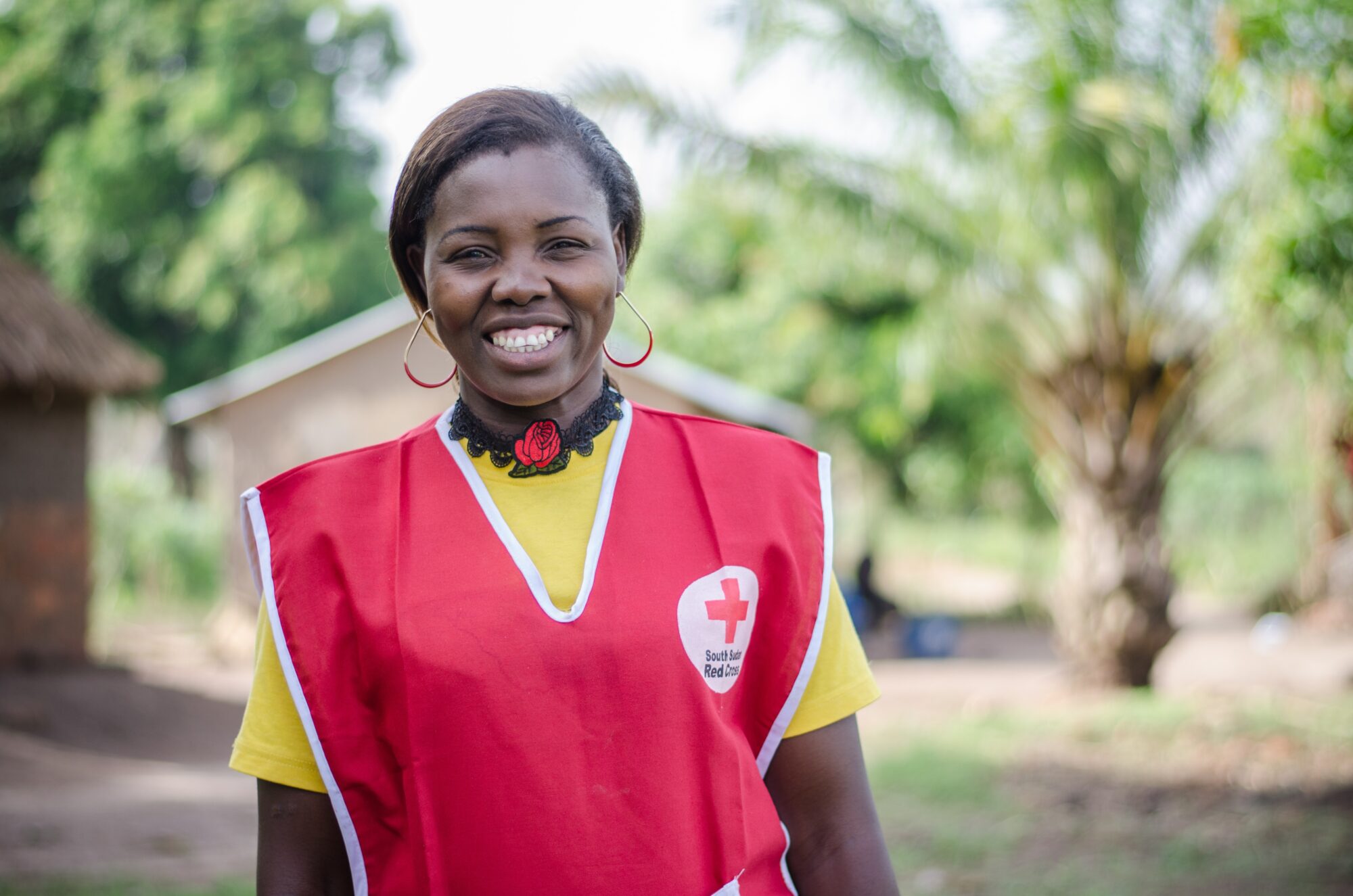
Present in most of the country, the South Sudan Red Cross is the largest humanitarian organisation in South Sudan. Founded in 2011 and established by an Act of Parliament in 2012, the National Society was recognised by the ICRC in 2013 and admitted to the International Federation of Red Cross and Red Crescent Societies (IFRC) later that year. From its headquarters in Juba, the South Sudan Red Cross works through 21 branches and around 100 local units, with more than 17,000 volunteers. It began with a focus on emergency response, and today also works to reduce disaster risks and strengthen water, sanitation and health (WASH), preparing communities as well as responding when crisis hits.
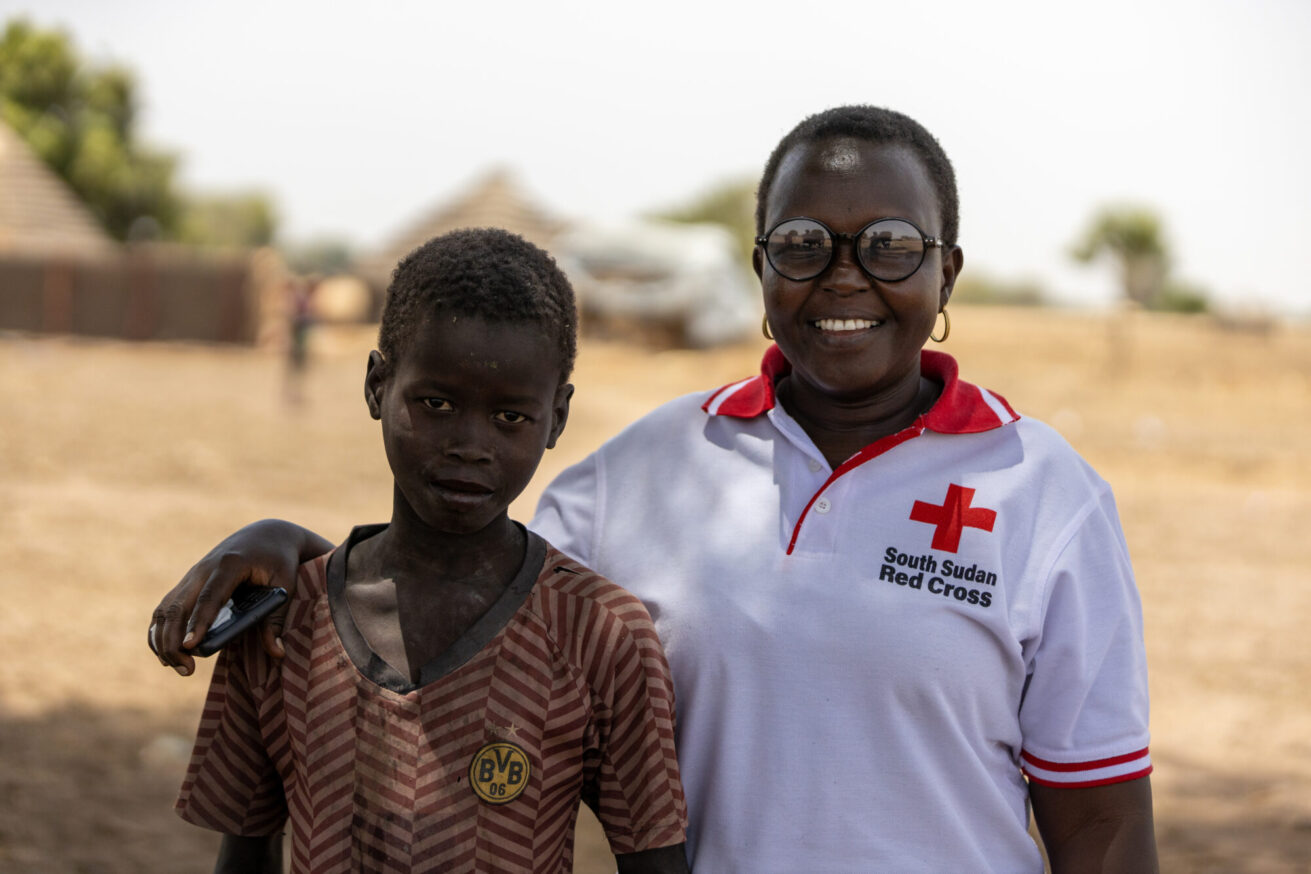
The Netherlands Red Cross supports the South Sudan Red Cross across different areas, from emergency response in Renk to water points that withstand drought and floods.
In Terekeka County, where floods and displacement have left most people without safe drinking water, the South Sudan Red Cross works with communities on water points, sanitation and flood preparedness. The Netherlands Red Cross supports this work through its Protracted Crises programme, which funds long-term projects that combine water and sanitation, disaster risk reduction, and protection, gender and inclusion.
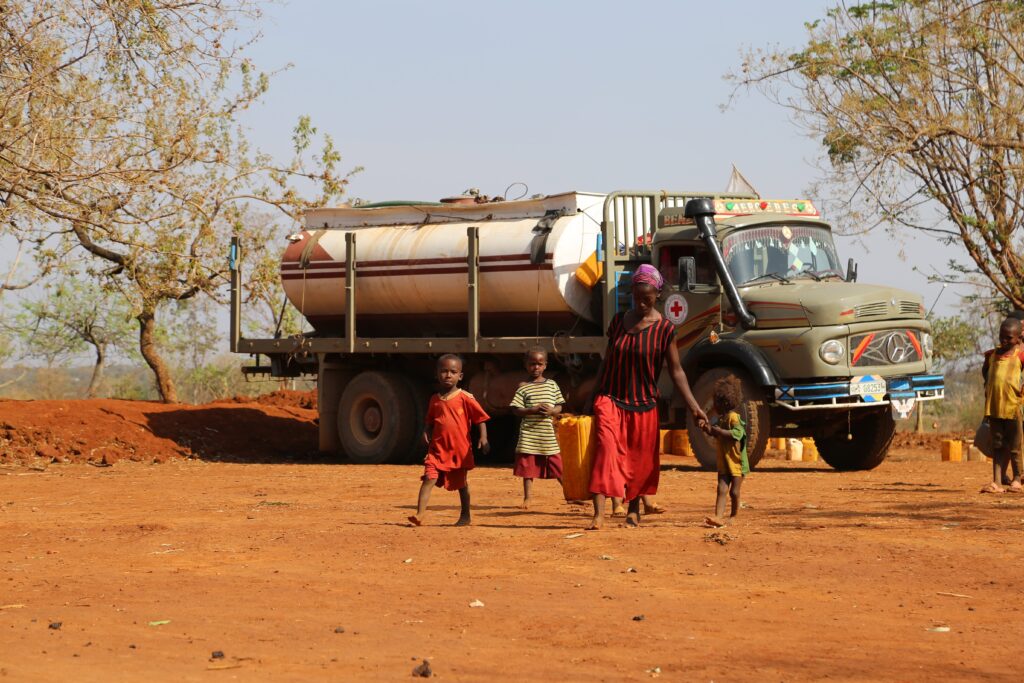
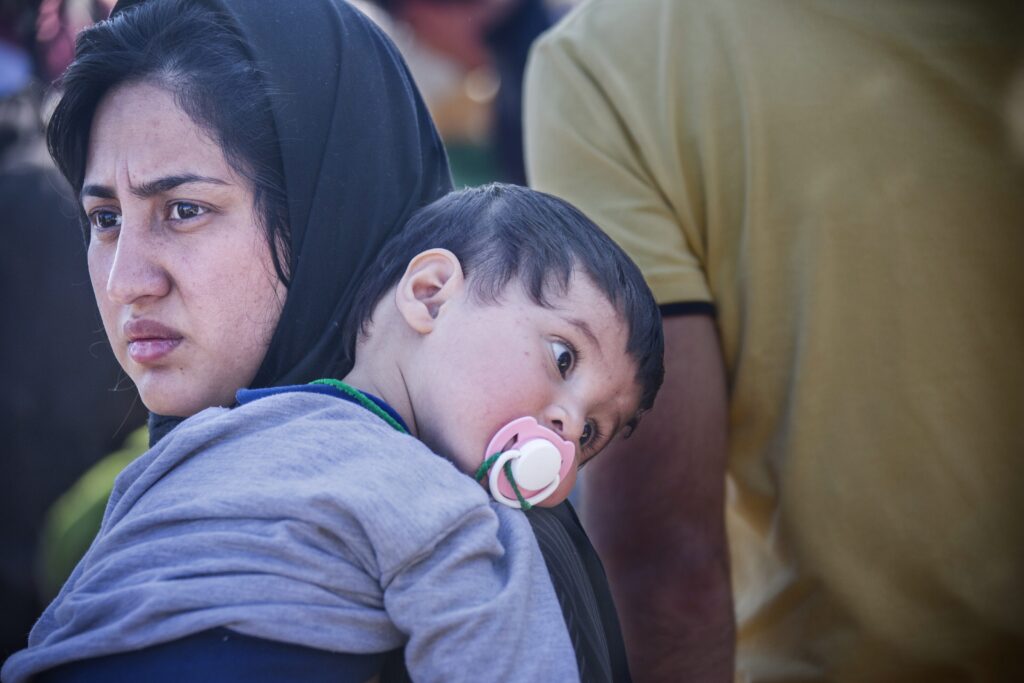
In Renk, on the border with Sudan, the South Sudan Red Cross met the needs of people fleeing the neighbouring conflict, first with trucked water and later with a treatment system that supplies clean water every day, alongside hygiene support, health care and psychosocial help. The Netherlands Red Cross funded the response through its Acute Crises programme, whose flexible funding made a quick start possible.
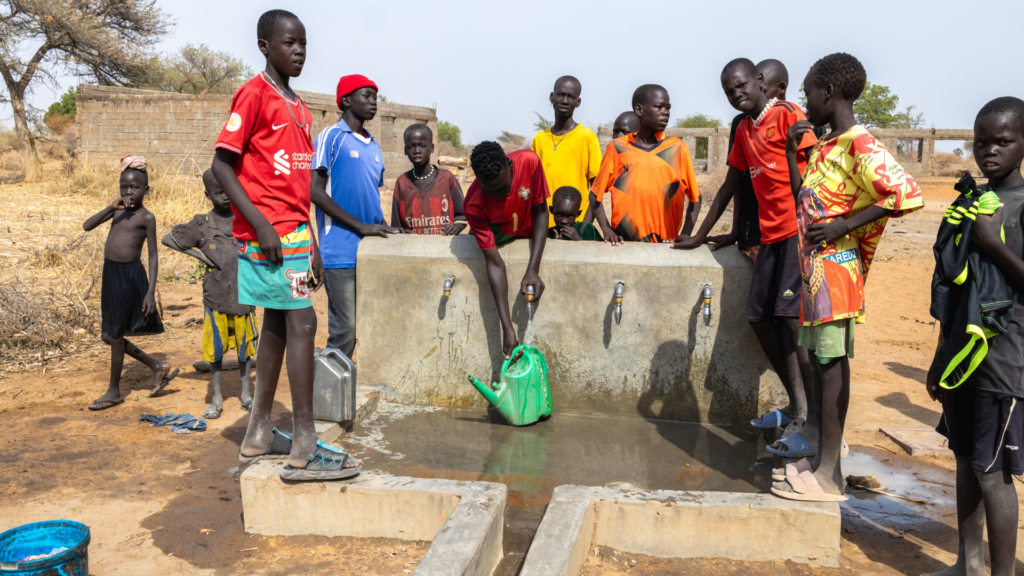
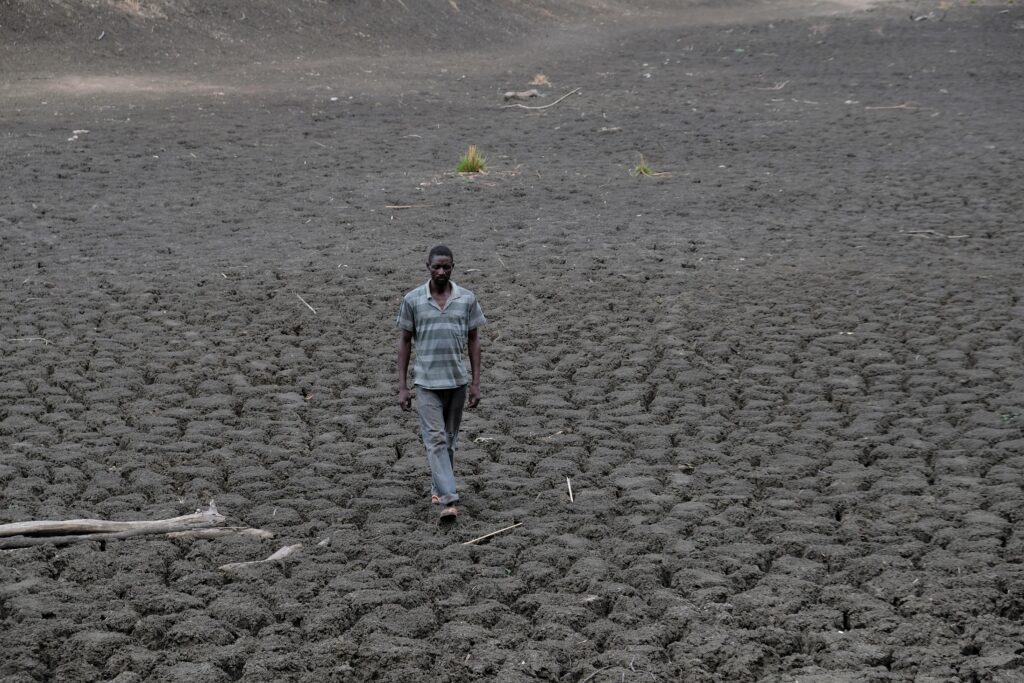
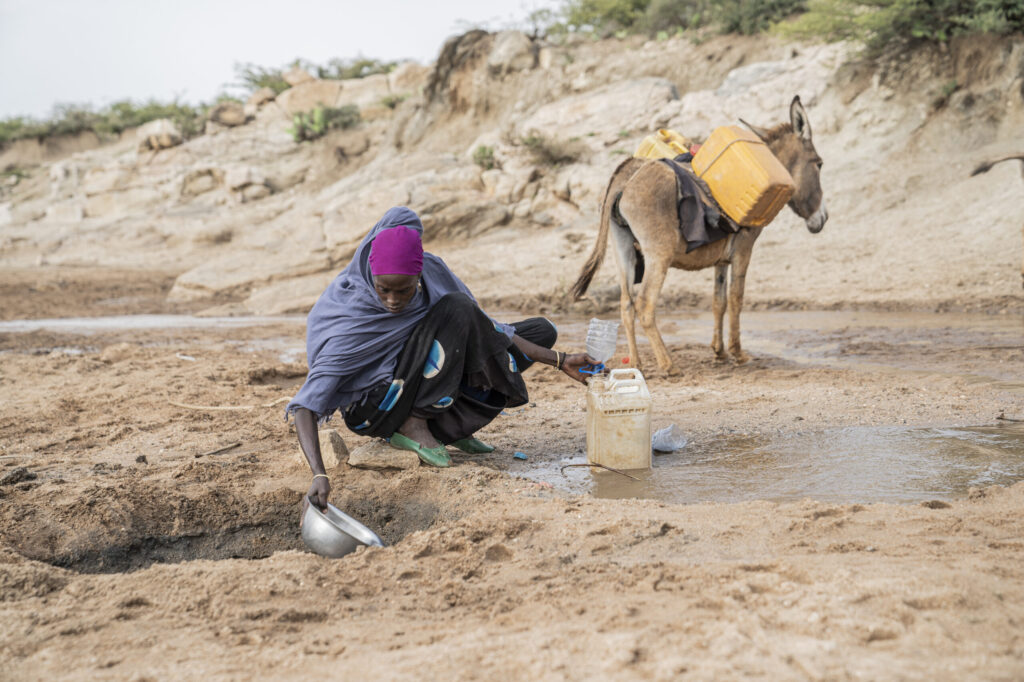
From drought in Kapoeta County to flooding in Bor, the South Sudan Red Cross works with communities on water points that keep working when the weather turns. In Bor, a raised platform keeps the pump above floodwater. The Netherlands Red Cross supports this through Water at the Heart of Climate Action (WHCA), which also helps turn weather data into early warnings.
Managing periods safely and with dignity is part of the South Sudan Red Cross’s water, sanitation and hygiene work, which includes menstrual hygiene kits and support for girls at school and in their communities, so they can keep attending class. The Netherlands Red Cross supports this work.
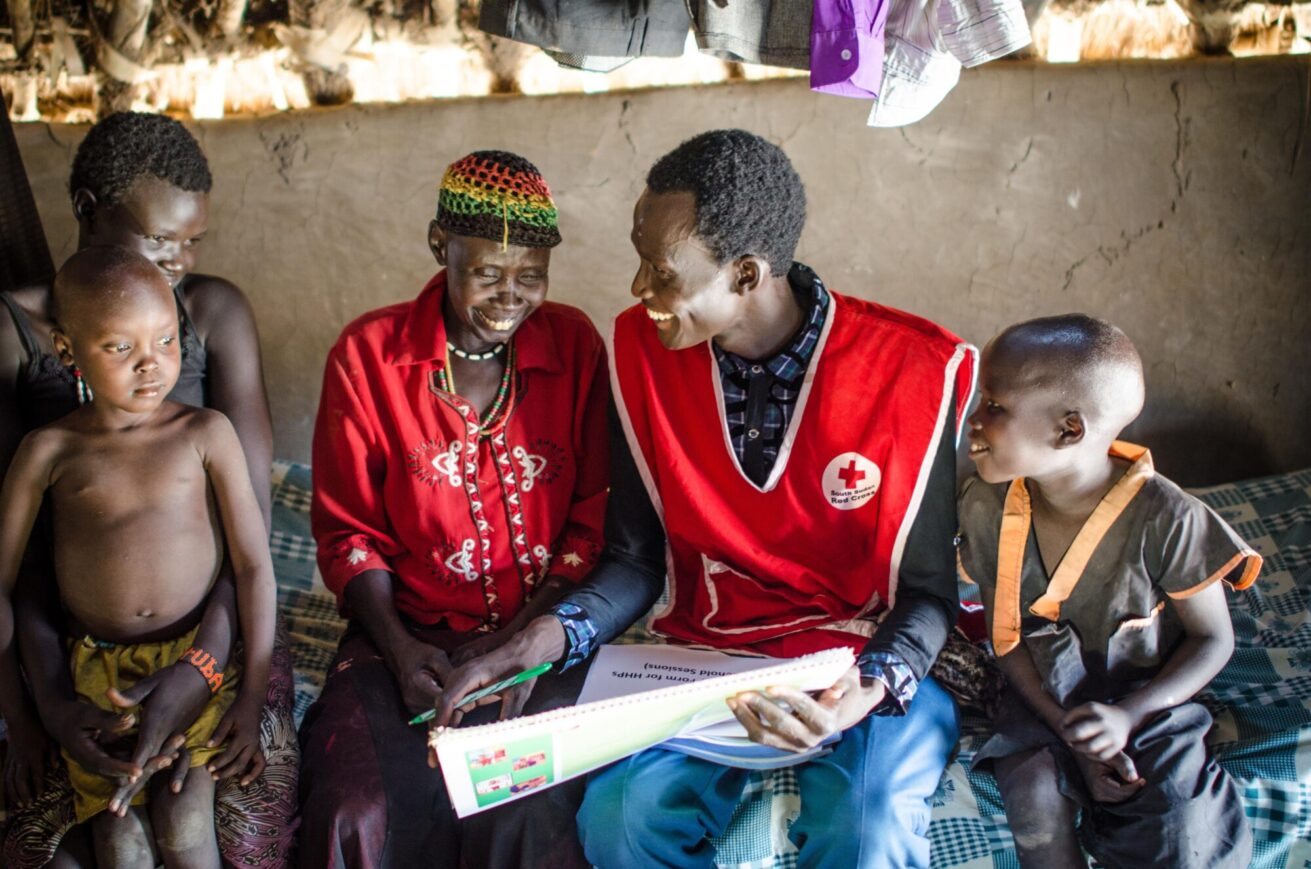
The South Sudan Red Cross sets its own direction, guided by the principle in its strategic plan that those closest to a crisis are best placed to respond quickly and to stay the longest. The Netherlands Red Cross plays a supporting role, working from the belief that the National Society understands its communities better than any outside partner.
In practice, this means supporting water, sanitation and flood preparedness work in communities such as Terekeka, funding the response to people fleeing the war in Sudan, and making water points more resilient to drought and floods. Support is aligned with the South Sudan Red Cross strategic plan 2022-2026, whose priorities include disaster risk management and water and sanitation.
The Netherlands Red Cross works within a Red Cross Red Crescent Movement-wide effort, in which South Sudan has taken part since 2016, to coordinate partners behind the National Society’s own priorities. The direction is a South Sudan Red Cross that takes on more ownership of decisions, funding and delivery, with the Netherlands Red Cross in a more connecting, enabling role.