

High Tide, High Time: Climate Change in the Dutch Caribbean
22 September 2026
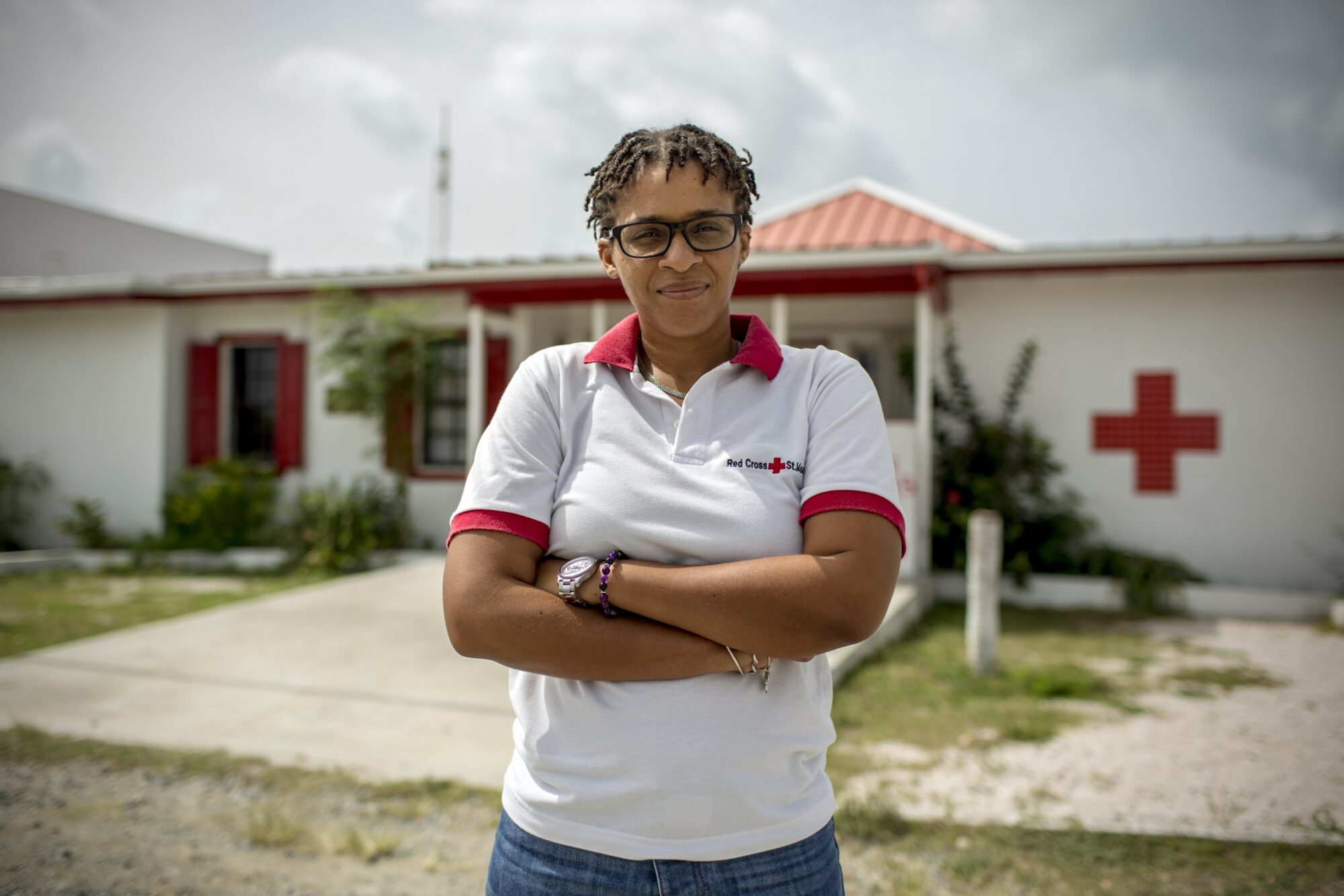
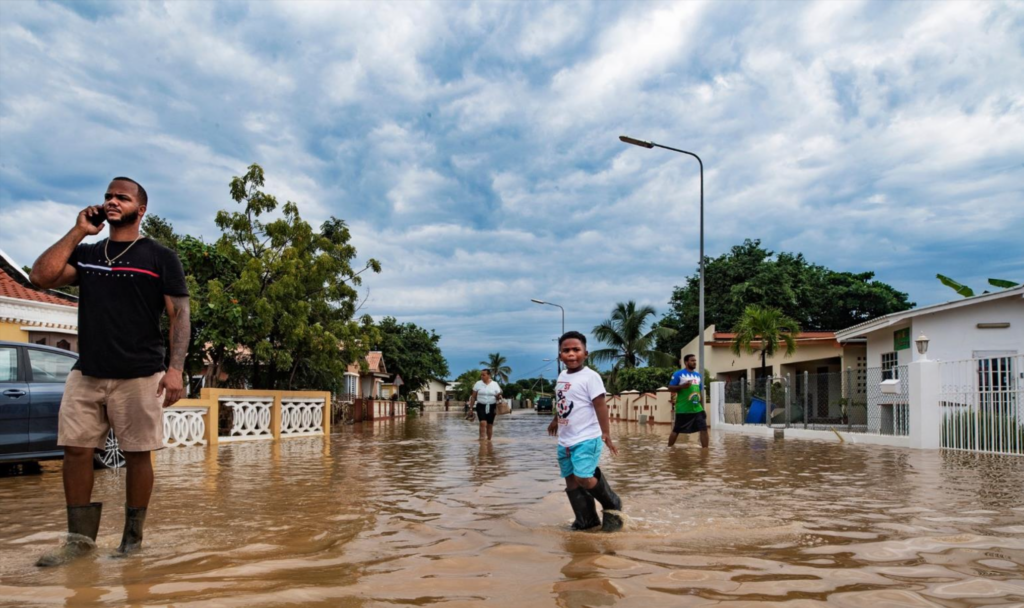
Sint Maarten sits directly in the Atlantic hurricane belt, alongside Saba and Sint Eustatius, facing increasingly frequent and intense storms, together with flooding, heat and drought. It is the smallest and most densely populated of the three southern islands’ northern counterparts, with around 44,000 residents packed into just 34km², and its density of over 1,290 people per km² is by far the highest in the Dutch Caribbean. Hurricane Irma struck the island hardest in 2017, one of the clearest examples yet of the intensifying storms climate change is bringing to the region.
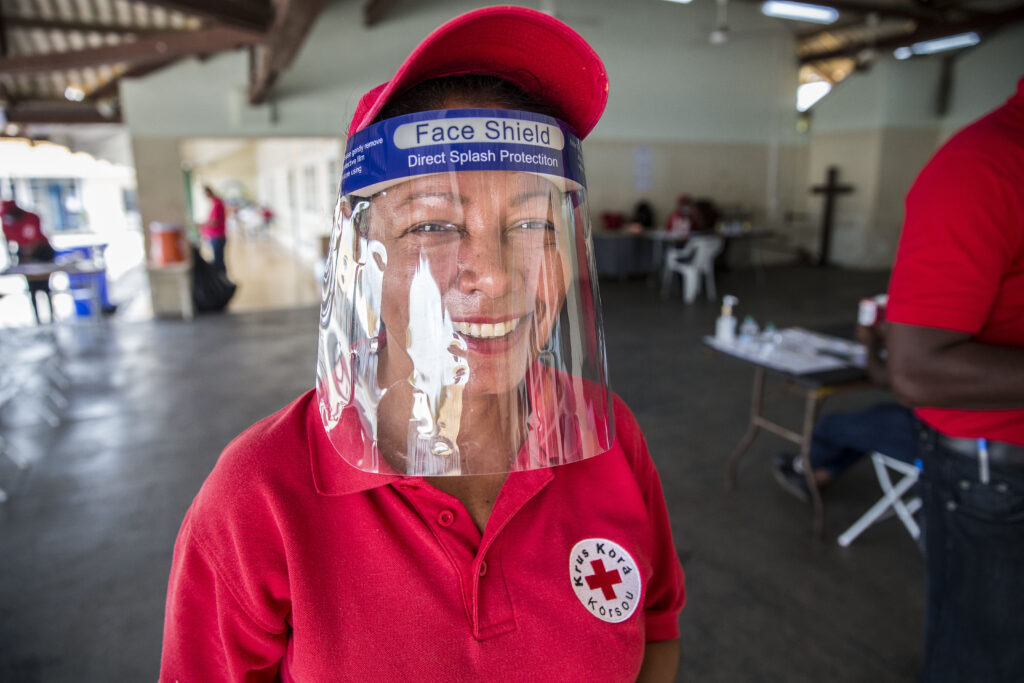
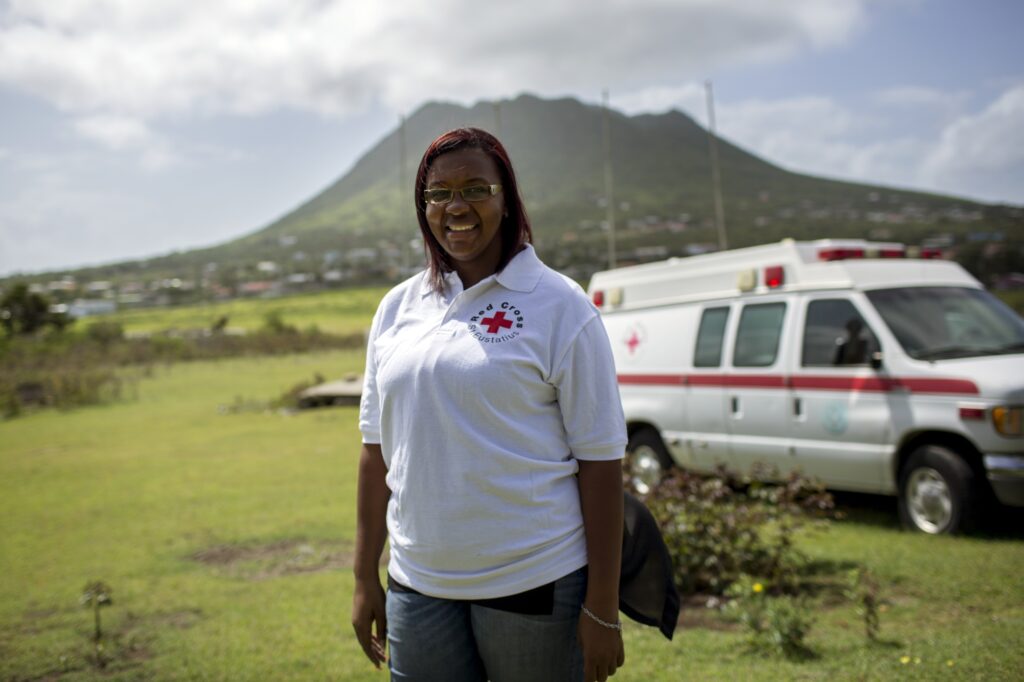
The Red Cross on Sint Maarten, established in 1976, operates as one of six branches of the Netherlands Red Cross across the Dutch Caribbean, alongside Aruba, Bonaire, Curaçao, Saba and Sint Eustatius, all under the same 1988 Dutch Royal Decree. The Red Cross on Sint Maarten is run by local staff and volunteers, and forms part of a wider network of more than 300 volunteers across the six islands combined.
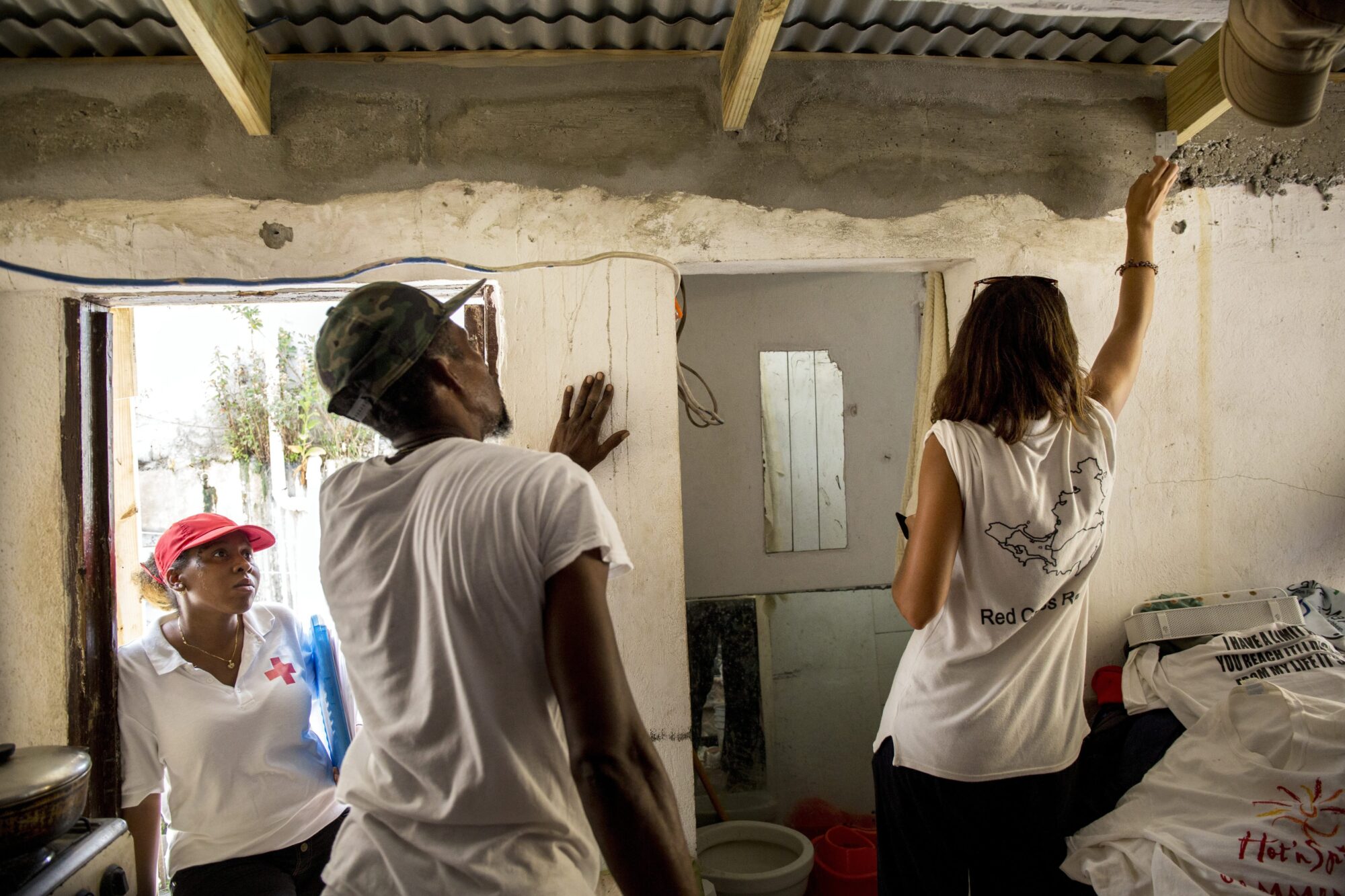
The Netherlands Red Cross supports the Red Cross on Sint Maarten in different ways, from preparing for the next hurricane season to helping the island recover and rebuild afterwards.
The Red Cross on Sint Maarten maintains contingency plans and anticipatory action protocols, so that response can start before a hurricane makes landfall, not only after. Relief stocks are prepositioned both regionally, in Panama, and across the branch network, so that help does not depend on flights or shipping still running once a storm has hit.
In the years after Hurricane Irma, the NetherlandsRed Cross supported the planting of trees and shrubs on Sint Maarten to help reduce the risk of future floods and landslides. This kind of nature-based restoration works alongside more conventional storm preparedness, giving the island’s own ecosystems back some of their natural buffering capacity. The Netherlands Red Cross has also supported a shift from handing out physical relief goods towards food vouchers, letting residents choose what they need most after a disaster.
The Red Cross on Sint Maarten trains local residents in first aid, building a layer of emergency response that does not depend on outside help arriving in time, particularly valuable in the immediate aftermath of a storm when outside assistance may be delayed.
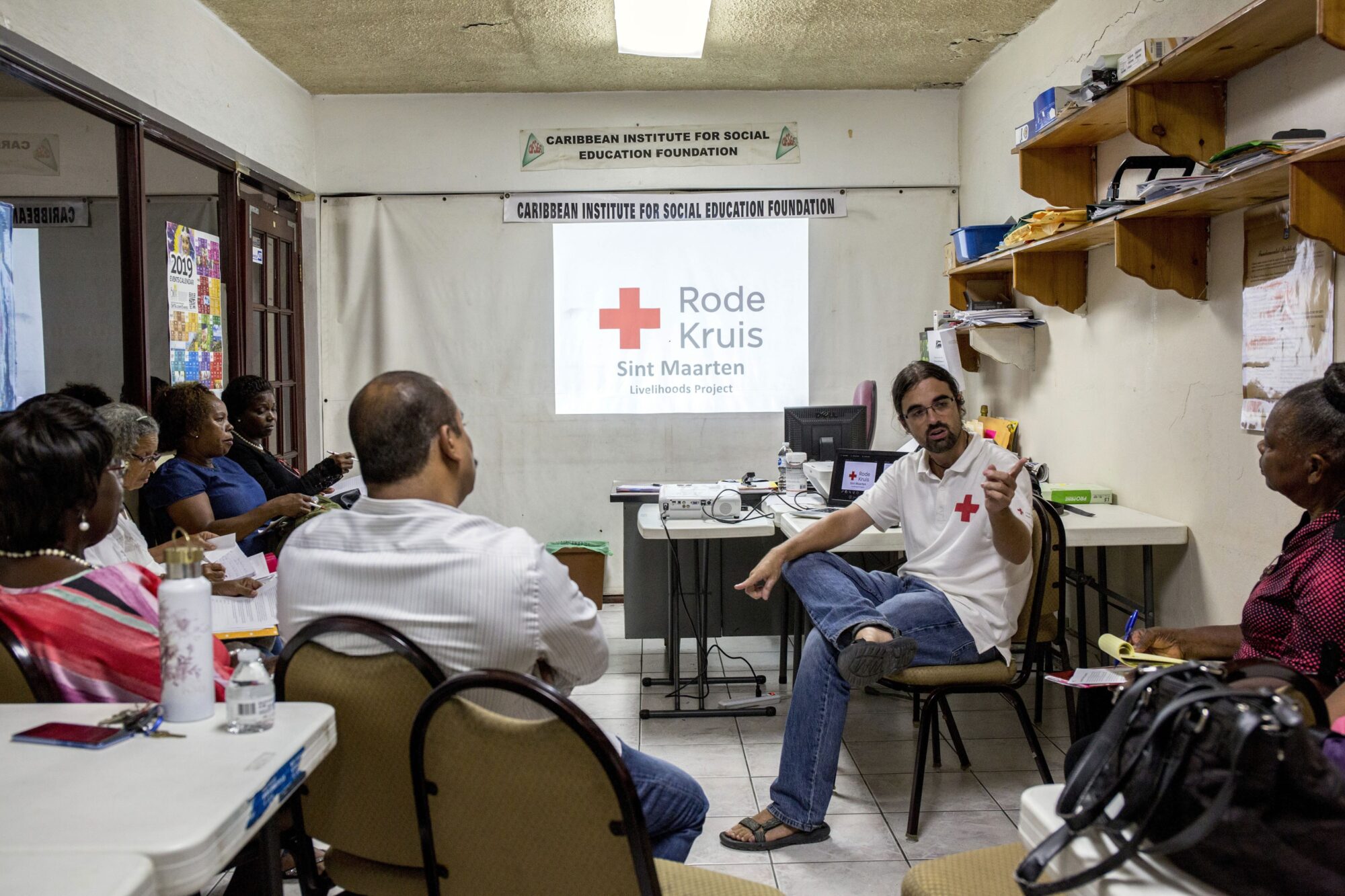
Sint Maarten is one of four countries within the Kingdom of the Netherlands, alongside the Netherlands, Aruba and Curaçao, each with its own government, a status Sint Maarten has held since the Netherlands Antilles was dissolved on 10 October 2010. Because Sint Maarten is a separate country, the Netherlands Red Cross operates here much as it would in any partner country, through a local branch established in 1976.
In practice, this means the Red Cross on Sint Maarten runs its own day-to-day operations, led by local staff and volunteers, while the Netherlands Red Cross provides funding, coordination and technical support from a regional and national level, support that scaled up sharply after Hurricane Irma in 2017.
The branch’s legal footing rests on a Dutch Royal Decree issued in 1988 and amended in 2011, which gives the Netherlands Red Cross its auxiliary role across the whole Kingdom, Sint Maarten included. Because there is no separate National Society here, there is no partnership start date to anchor this section to, the 1988 decree is the closest equivalent, alongside the branch’s own founding in 1976.
Would you like to get in touch? Feel free to reach out to the following team members.