

Water at the Heart of Climation Action
31 August 2026
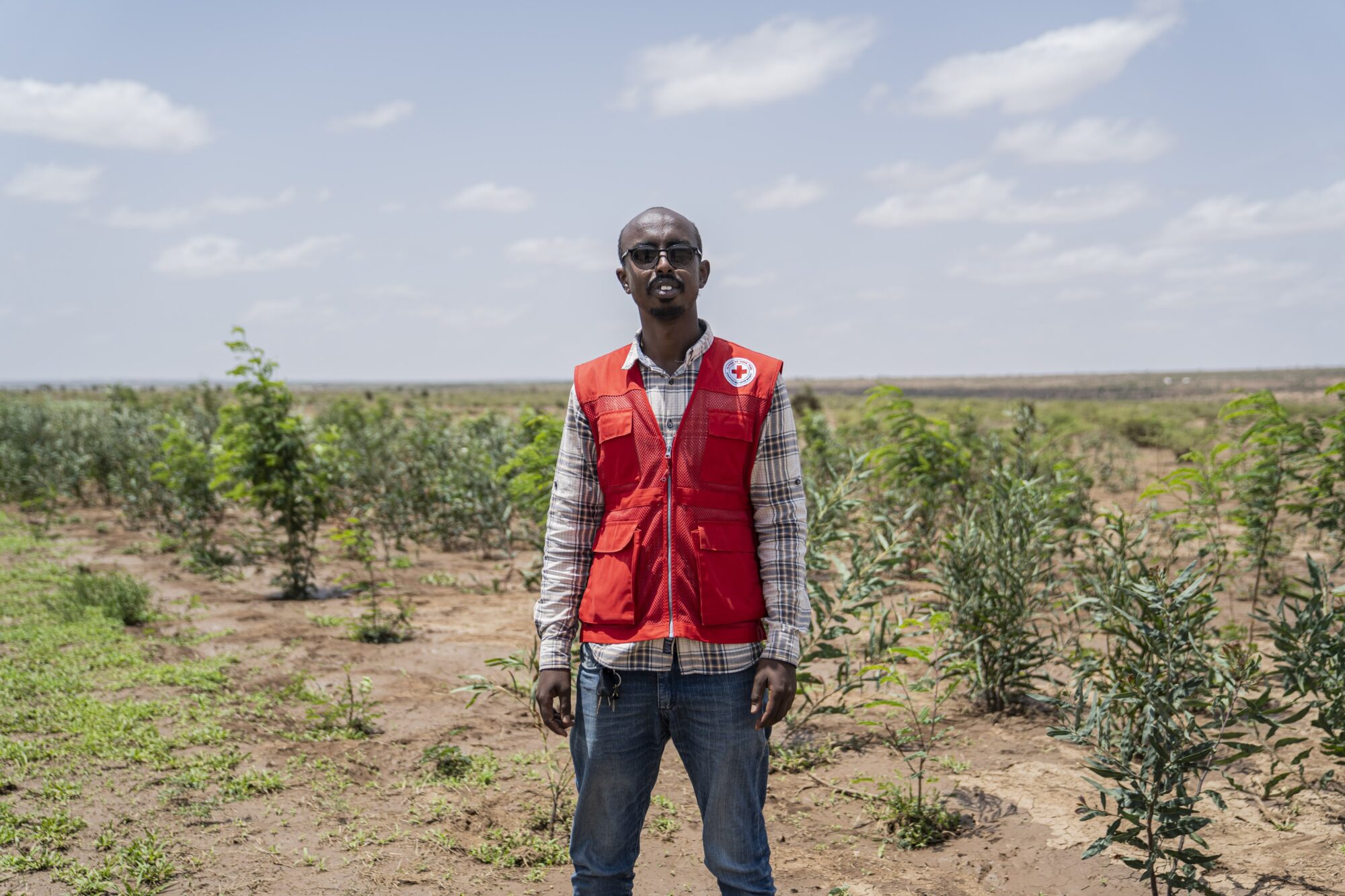
Floods, droughts and environmental degradation do not arrive without warning. But in many communities, the gap between a forecast and a timely response is still too wide. Local knowledge exists. Early warning systems exist. What is often missing is the connection between them, and the capacity to act before the water rises or the harvest fails.
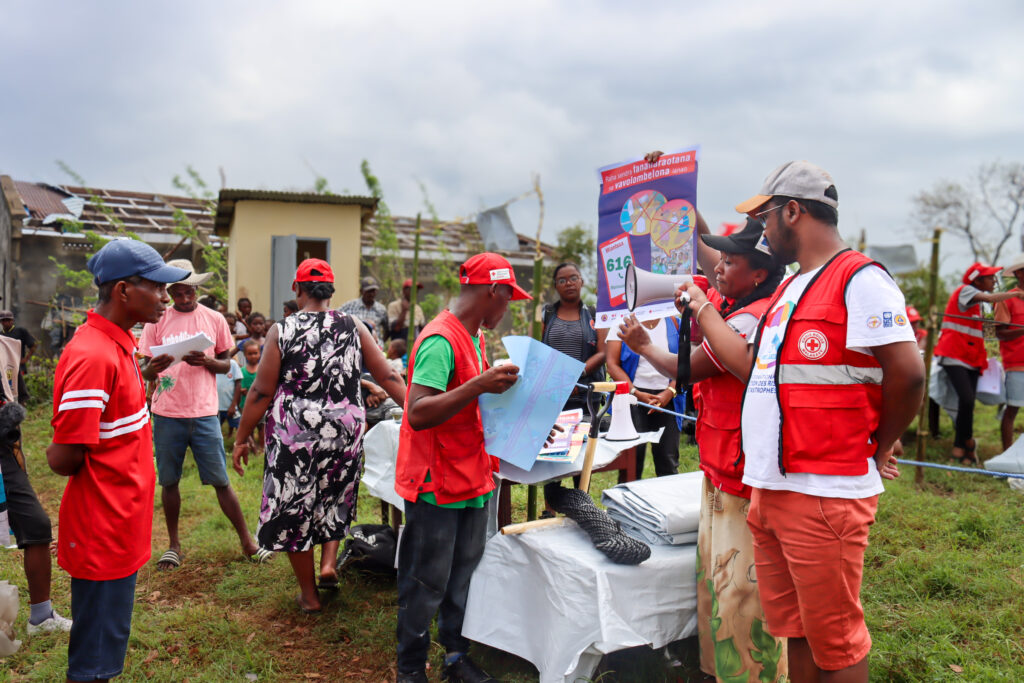
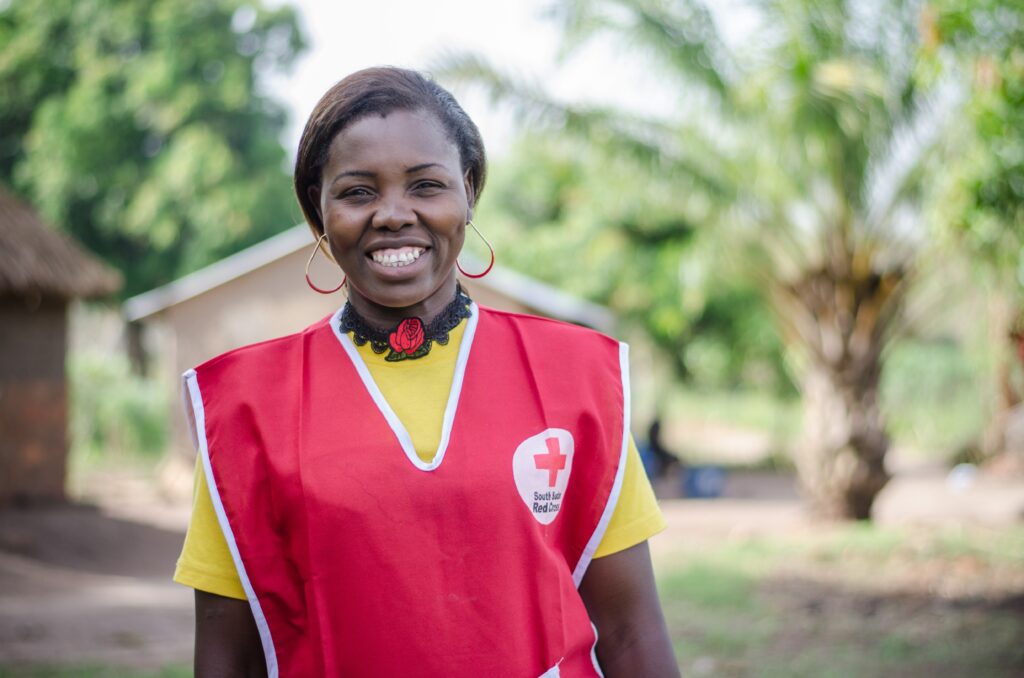
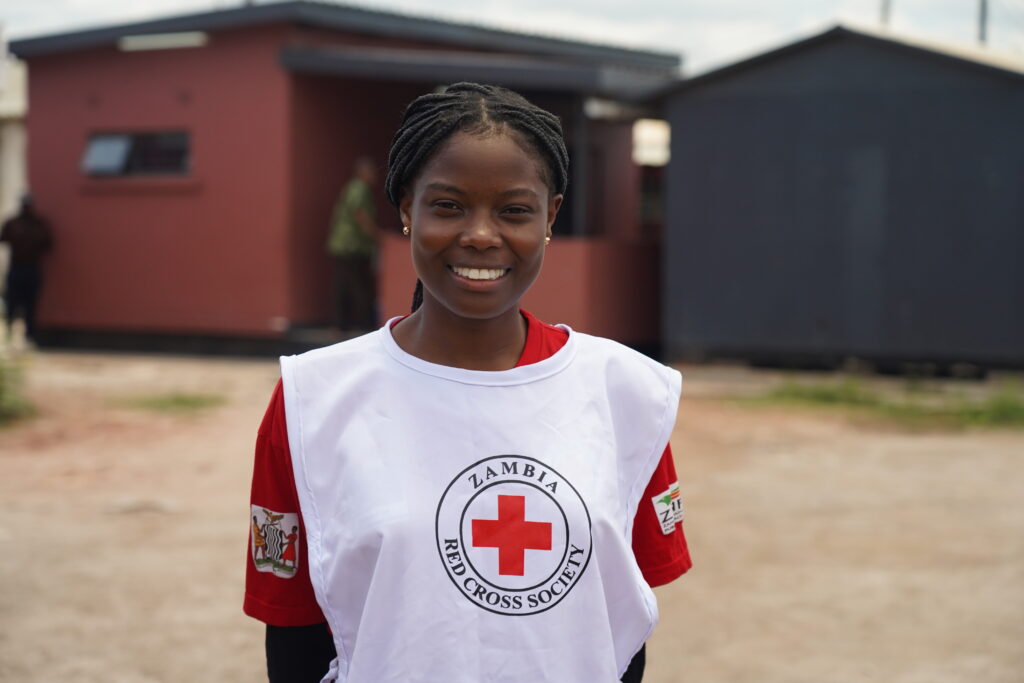
The Netherlands Red Cross works with National Societies to close that gap. The starting point is always the community itself: what risks people face, how they perceive those risks, and what they are already doing to protect themselves. Through participatory assessments at both community and landscape level, communities and National Societies map local vulnerabilities and capacities together, building a shared foundation for action that is grounded in local reality rather than imposed from outside.
From that foundation, two pathways open up. The first is long-term resilience: restoring ecosystems, strengthening water security, and embedding nature-based approaches that protect communities against floods, droughts and climate variability over time. The second is early action: connecting community knowledge to early warning systems so that when a forecast signals risk, communities have clear, trusted, locally owned plans to act on. Where relevant, this work also connects to shaping the policies, investments and practices that determine how water and nature are managed at a larger scale.
Support spans the full resilience spectrum, from preparedness and anticipatory action to long-term adaptation, and has been applied across programmes including Water at the Heart of Climate Action and Working with Nature to Protect People (STREAM) in countries including Ethiopia, the Philippines, Uganda, Zambia, South Sudan and beyond.
Support is shaped around what communities and National Societies know about their own situation and what they identify as their priorities. It can include: