

Central African Republic: 2026-2027 Country Plan
22 September 2026
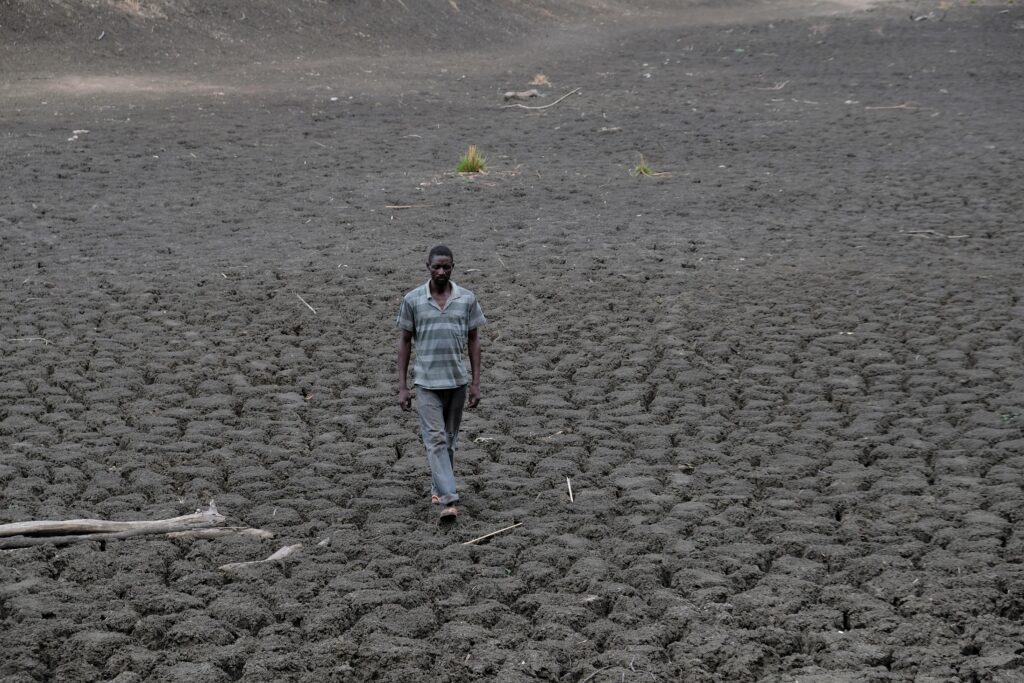
The Central African Republic faces one of the most severe humanitarian crises in the region, with 56% of the population needing assistance in 2023. Years of political and security turmoil since 2013, compounded by conflict over gold and diamond mining in the northwest and centre, have left 71% of the population living below the international poverty line. Violence accounts for two-thirds of all recorded crisis incidents, more than disasters like flooding and drought combined, placing sustained pressure on a country where basic services already reach only a fraction of the population.
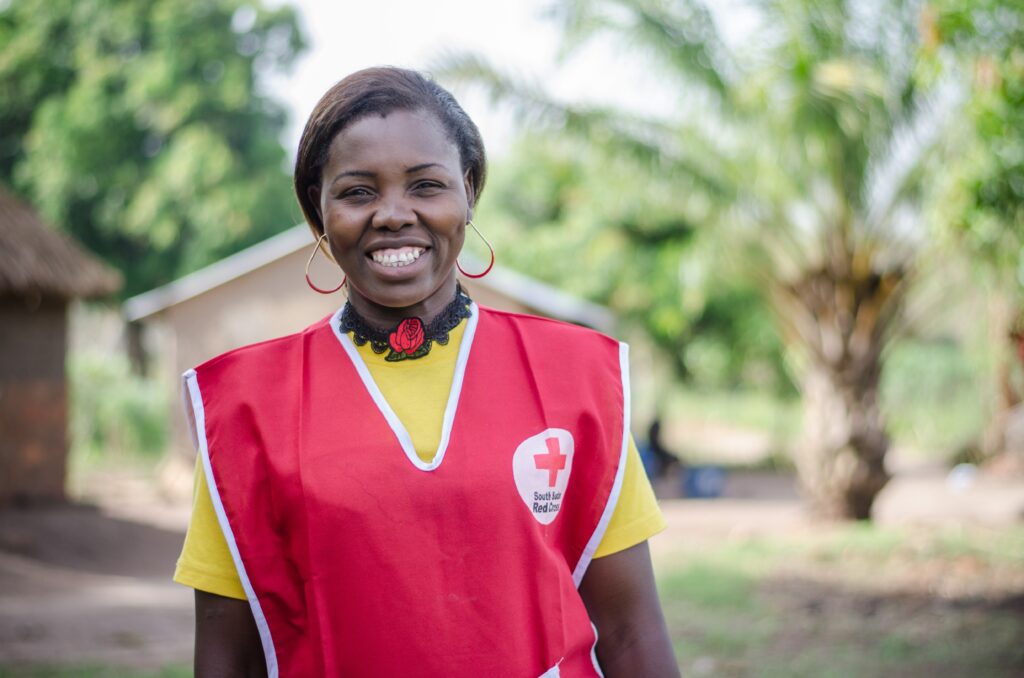
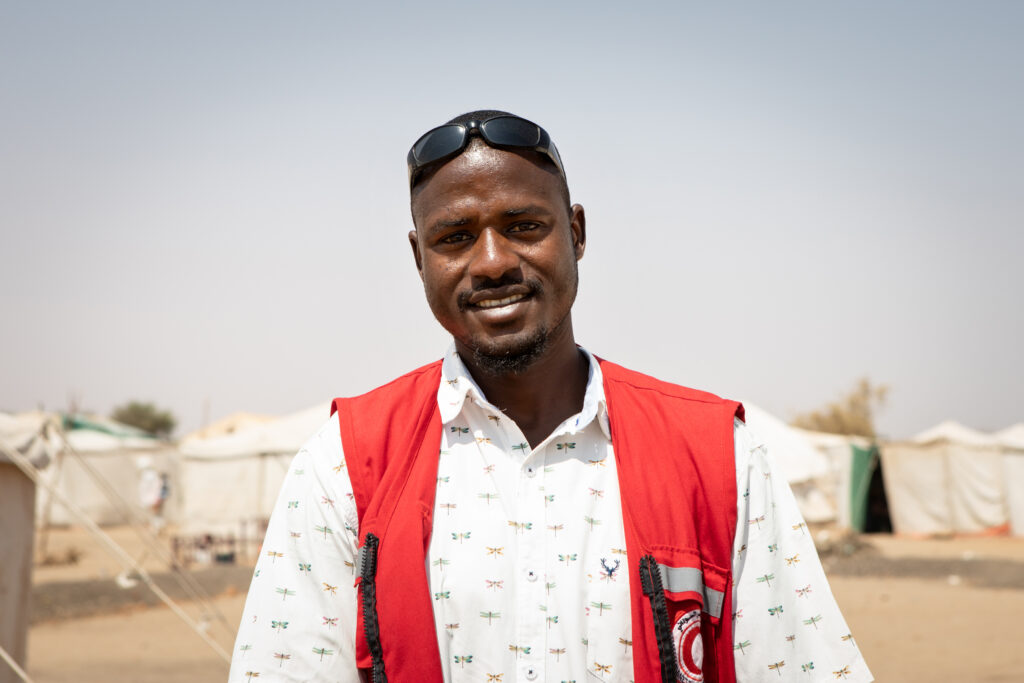
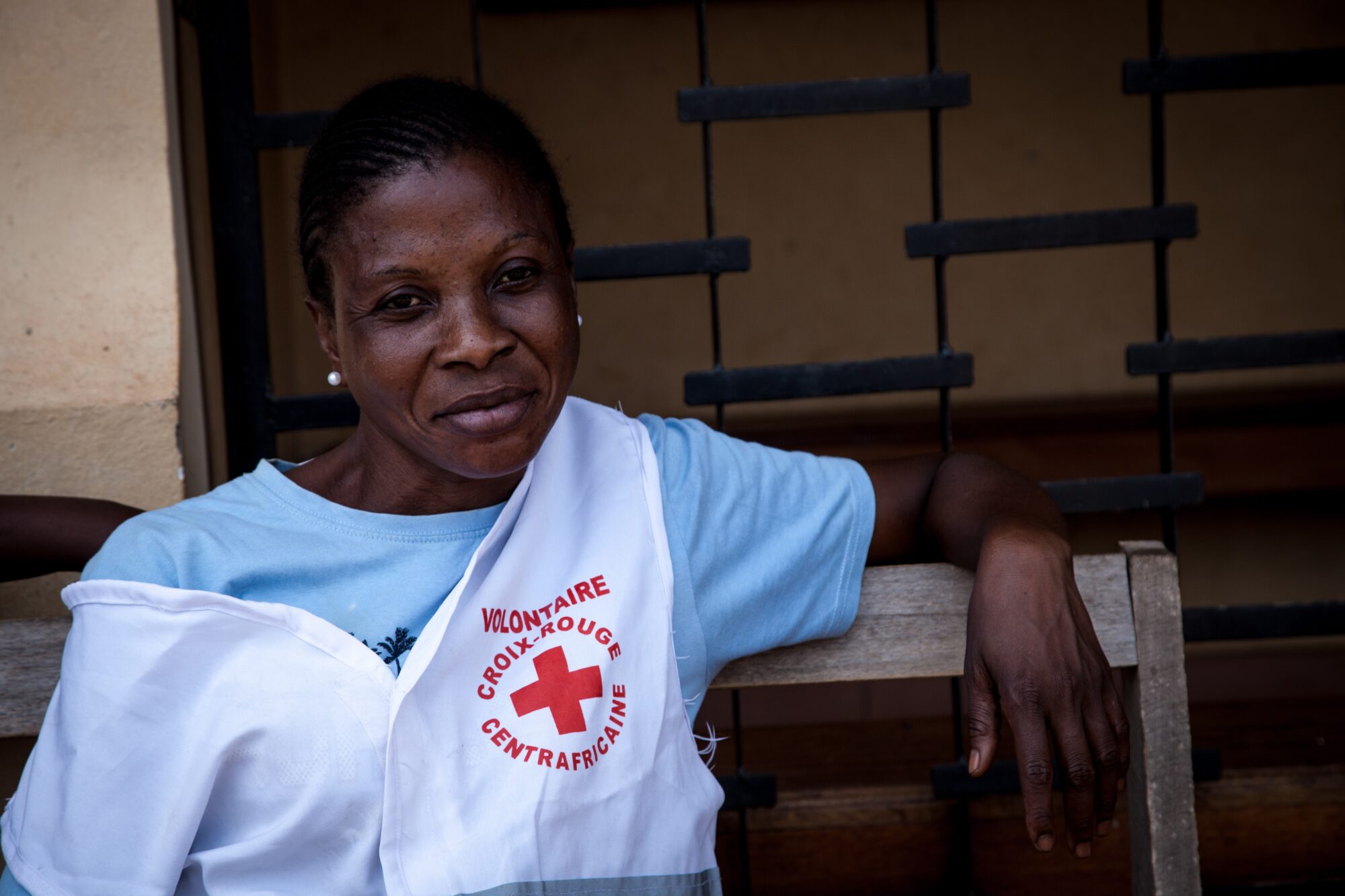
At the centre of the response is the Central African Red Cross Society. Founded in 1958 under French colonial administration and renamed at independence in 1960, it was formally recognised by the Central African government in 1966 and admitted to the International Federation of Red Cross and Red Crescent Societies (IFRC) in 1975. The Central African Red Cross Society operates through 84 branches and 1,194 local units nationwide, supported by 111 staff and more than 18,000 volunteers. It is a key partner to the Central African government, particularly in natural and health disaster management, and increasingly in strengthening the country’s health system itself.
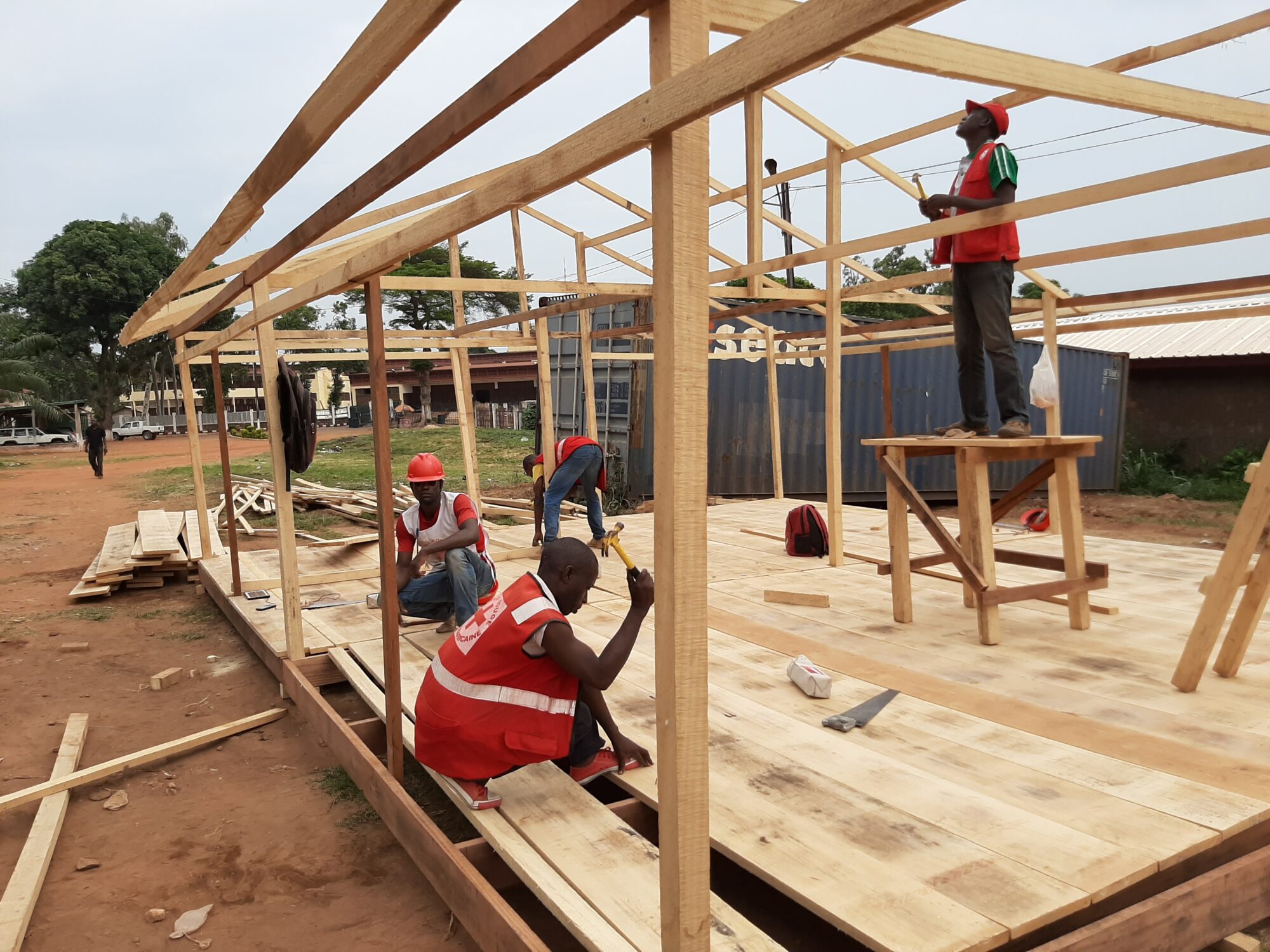
The Netherlands Red Cross supports the Central African Red Cross Society across a range of areas, from empowering young people to preparing for floods and disease outbreaks.
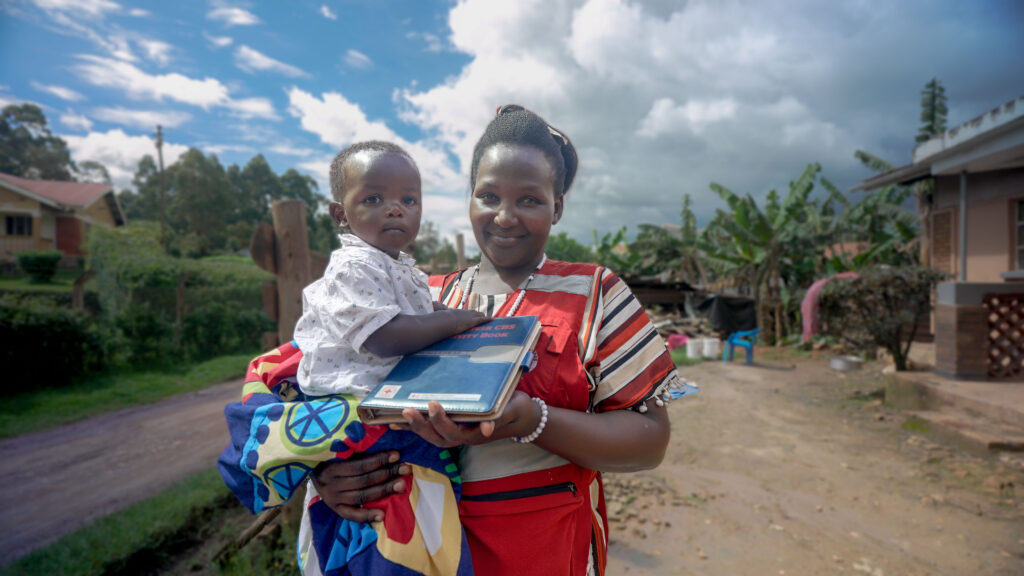
The Central African Red Cross Society is building a youth engagement strategy, encouraging Red Cross Clubs in schools and universities to spread understanding of the fundamental principles among the next generation. The Netherlands Red Cross specifically supports this work, helping the National Society reach young people directly and turn that engagement into a lasting source of volunteers and community trust, alongside strengthening how the National Society listens and responds to community feedback more broadly.
Flooding regularly displaces communities in towns like Kabo, Bambari, Birao, Bozoum and Ndélé, and the Central African Red Cross Society is working to get ahead of it, developing early action and anticipatory action protocols alongside multi-sectoral contingency plans. Disaster response teams at community and national levels are being strengthened to make sure help is ready before the water rises, not only after.
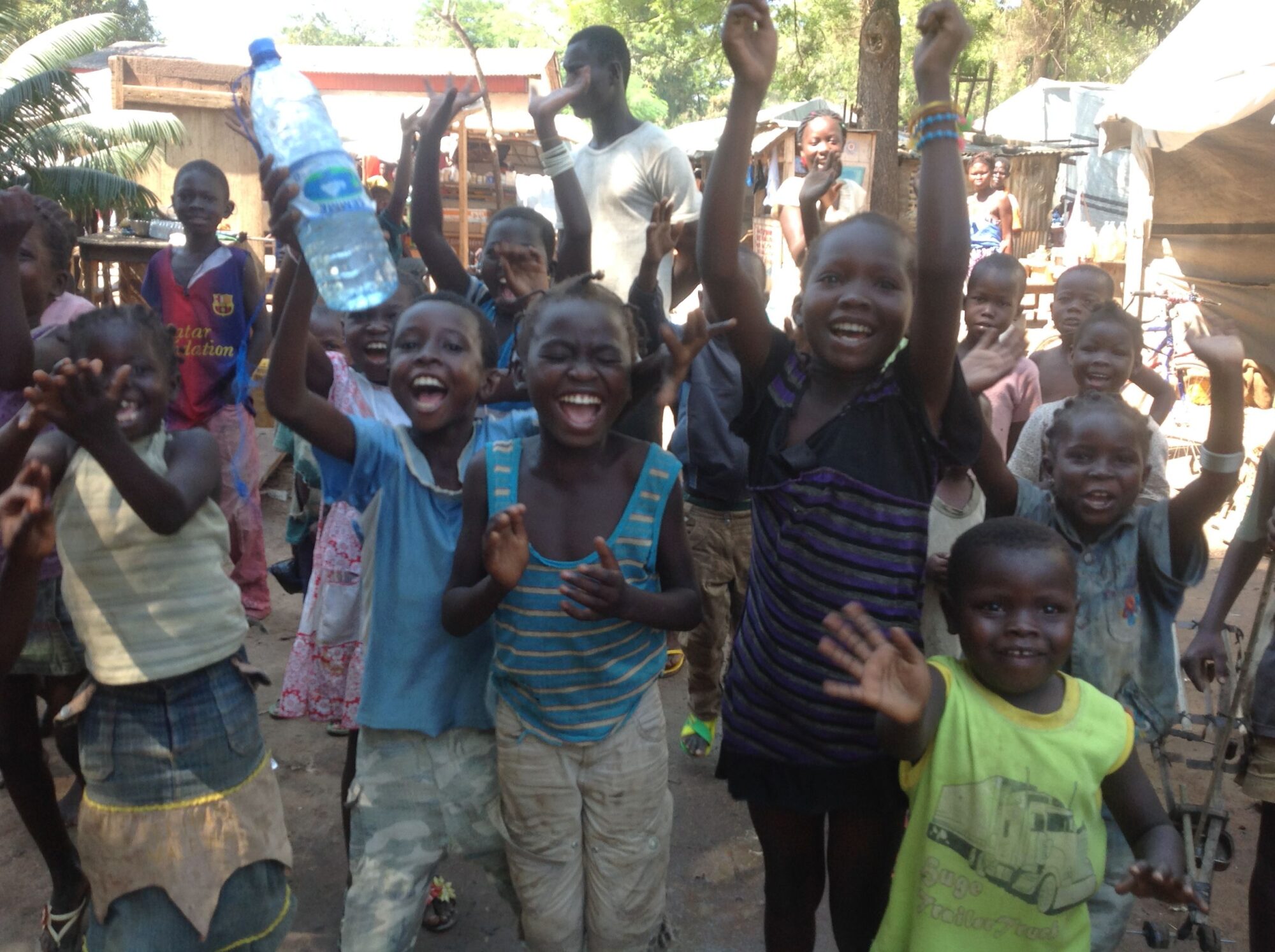
The Central African Red Cross Society leads its own humanitarian response. The Netherlands Red Cross plays a supporting role, working from the belief that the Central African Red Cross Society understands the needs of its communities and the shape of the country’s challenges better than any outside partner.
In practice, this means the Netherlands Red Cross focuses on helping the Central African Red Cross Society institutionalize how it engages and listens to the communities it serves. That support sits alongside the National Society’s own work on flood preparedness, epidemic response and support for refugees and displaced families.
The Netherlands Red Cross and the Central African Red Cross Society have worked together since 2017, and the Netherlands Red Cross is one of just three participating National Societies providing long-term bilateral support to the Central African Red Cross Society, alongside the French Red Cross and the Norwegian Red Cross. As the Central African Red Cross Society continues to strengthen its own systems, from governance to resource mobilisation, the Netherlands Red Cross is focused on the specific, technical role it can play best, rather than trying to cover everything at once.