

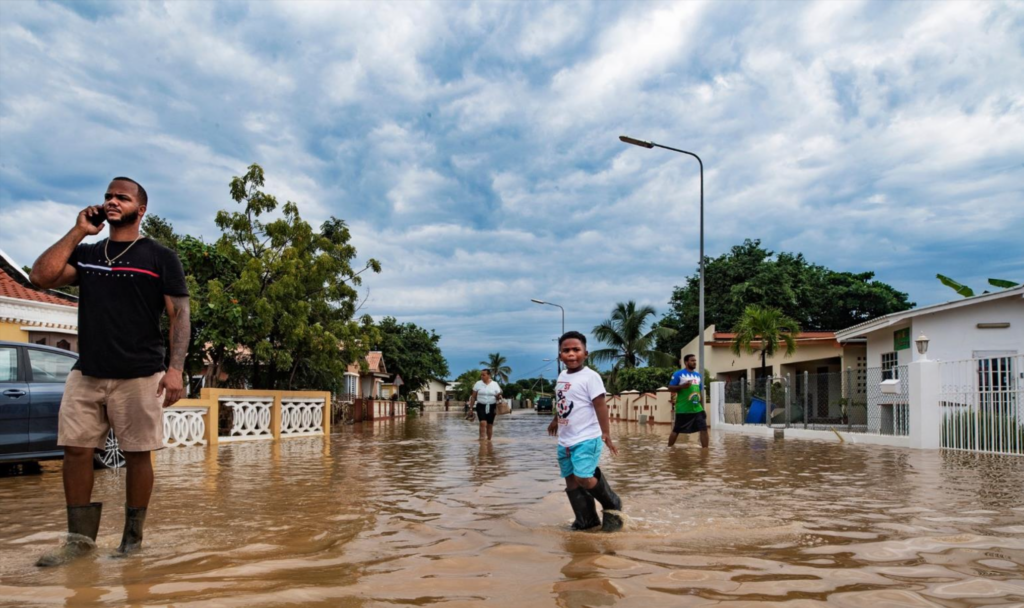
High Tide, High Time: Climate Change in the Dutch Caribbean
22 September 2026
Aruba faces a high cost of living, heavy dependence on imports, and, together with Curaçao, it is one of the main destinations in the region for migrants from Venezuela, straining housing, healthcare and social services. With around 119,000 residents on just 664km², Aruba is the most densely built-up of the three southern islands after Curaçao, and its position outside the main Atlantic hurricane belt means drought, rather than storms, is its primary climate risk, with ineffective waste management adding further ecological pressure.
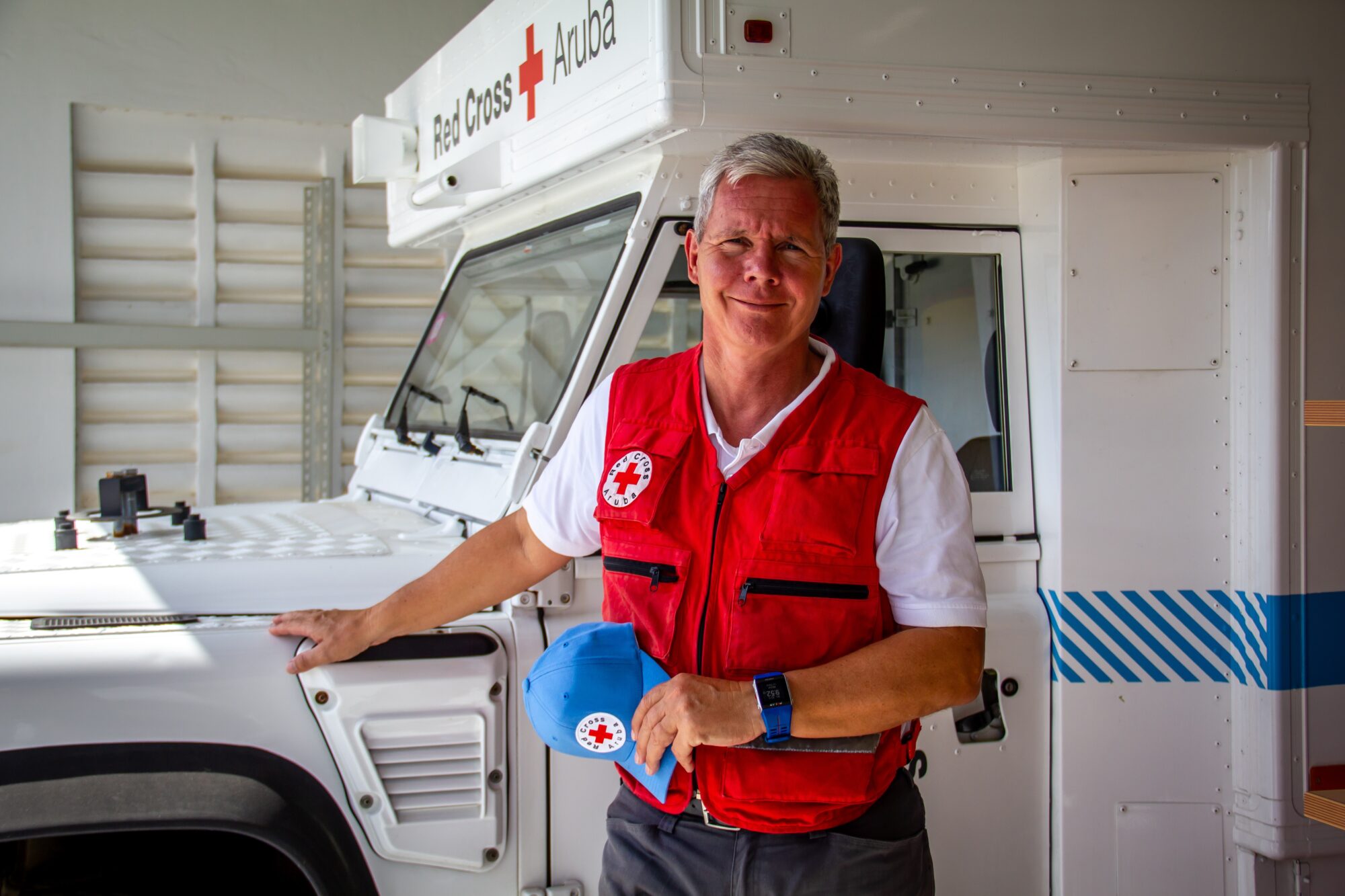
The Red Cross on Aruba, established on 31 October 1957, operates as one of six branches of the Netherlands Red Cross across the Dutch Caribbean, alongside Bonaire, Curaçao, Sint Maarten, Saba and Sint Eustatius, all under the same 1988 Dutch Royal Decree. The branch is run by local staff and around 150 volunteers, part of a wider network of more than 300 volunteers across all six islands combined.
The Netherlands Red Cross supports the Aruba branch across a range of areas, from everyday community support to strengthening the branch’s own disaster-response capacity.
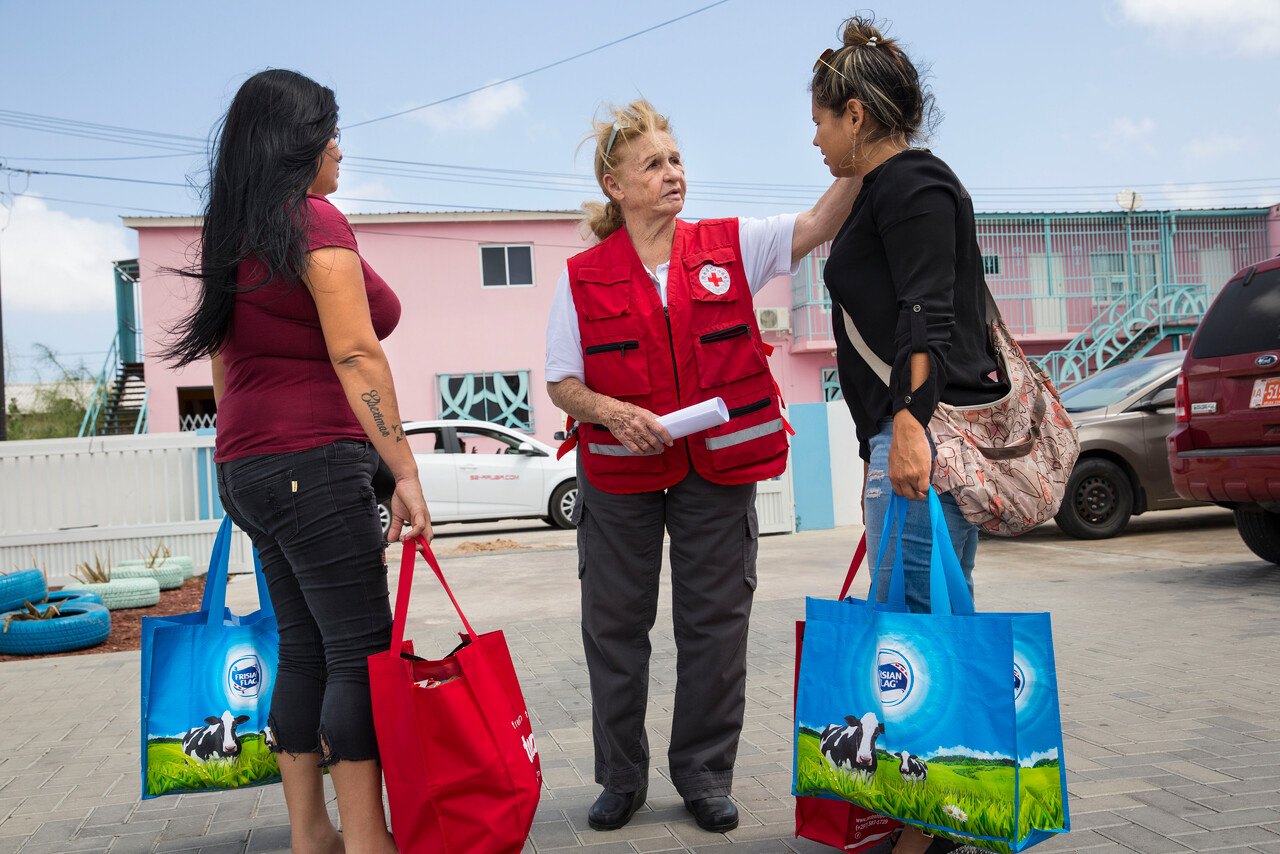
Through the Social Economic Programme, the Red Cross of Aruba provides food, hygiene support, shelter assistance and medical help to vulnerable residents on Aruba, including undocumented migrants who often fall outside other support systems. As one of the ABC islands, this work is funded through the Netherlands’ own resources rather than through the Dutch Ministry of Social Affairs and Employment, which covers the BES islands instead.
The Red Cross of Aruba trains local residents in first aid, building a layer of emergency response that does not depend on outside help arriving in time. This work sits alongside the branch’s broader role in community support and disaster response.
Running a branch on a small island brings standing organisational challenges: HR, IT, logistics and communications all need to function reliably with limited local capacity. The Netherlands Red Cross supports the Red Cross of Aruba in strengthening these essentials, so it can operate consistently rather than only during a crisis.
Aruba is one of the islands where staff have been trained as facilitators for Preparedness for Effective Response (PER), a Caribbean-wide programme that helps National Societies assess and strengthen their own disaster readiness. The Netherlands Red Cross also supported the Red Cross of Aruba in setting up a digital cash assistance system, which helped scale up support to residents during the COVID-19 pandemic. In 2023, the Red Cross of Aruba took part in a government-to-government climate meeting hosted on the island.
Aruba is one of four countries within the Kingdom of the Netherlands, alongside the Netherlands, Curaçao and Sint Maarten, each with its own government, a status Aruba has held since gaining its “status aparte” in 1986. Because Aruba is a separate country, the Netherlands Red Cross operates here as it would in any partner country.
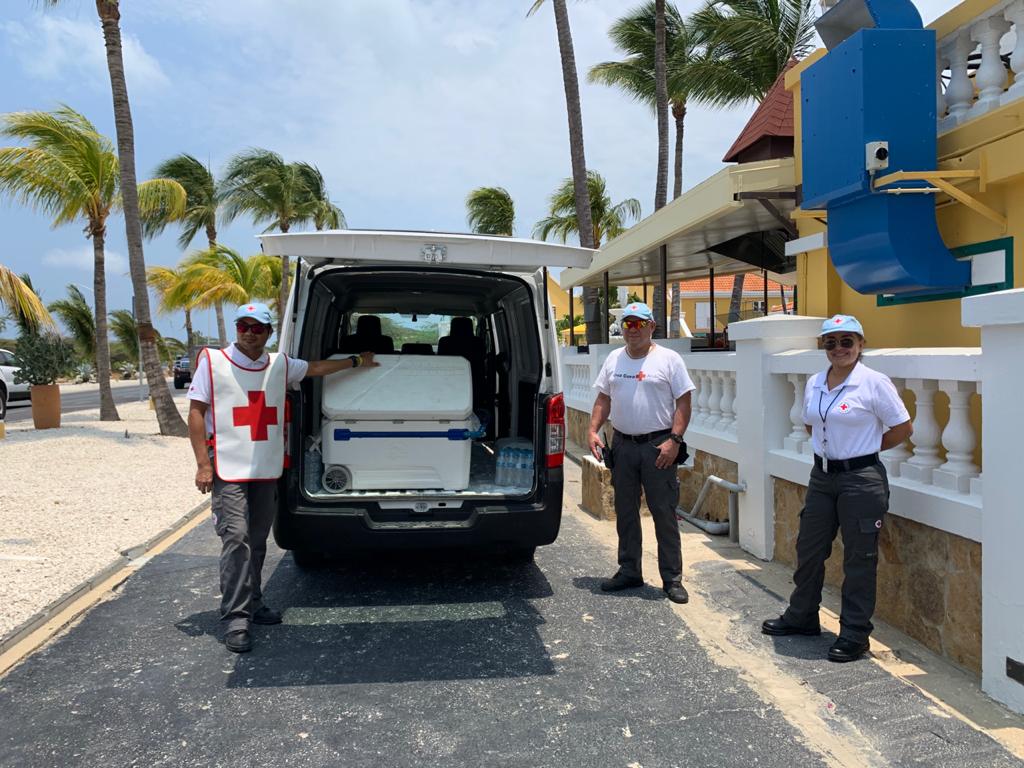
In practice, this means the Red Cross of Aruba runs its own day-to-day operations, led by local staff and volunteers, while the Netherlands Red Cross provides funding, coordination and technical support from a regional and national level.
The Red Cross of Aruba’s legal footing rests on a Dutch Royal Decree issued in 1988 and amended in 2011, which gives the Netherlands Red Cross its auxiliary role across the whole Kingdom, Aruba included. Because there is no separate National Society here, there is no partnership start date to anchor this section to, the 1988 decree is the closest equivalent.