

Working with Nature to Protect People (STREAM): Program Summary
29 September 2026
Climate change is bringing more frequent floods, droughts, water insecurity and impacts on livelihoods, and the degradation of natural buffers leaves communities more exposed to them. Healthy ecosystems can reverse that: a forest, for example, lets water soak into the ground during heavy rain and releases it slowly during drought, easing both the flood and the dry season that follows. Protecting nature, in other words, is one of the most direct ways to protect the people who depend on it.
Working with Nature to Protect People, or STREAM (STrengthening Resilience through Ecosystem-based Adaptation and Management), is how the Netherlands Red Cross puts that idea into practice. Since 2022, the programme has grown from a first flagship effort in Egypt, Ethiopia and the Philippines into a wider effort that also reaches Malaysia, Zambia, Botswana, and communities in the Dutch province of Limburg. In each country, communities and National Societies start with local risks, knowledge, existing solutions and capacities. Together, they identify where working with nature can strengthen resilience, develop and implement actions, learn and adapt along the way, and build on what works.
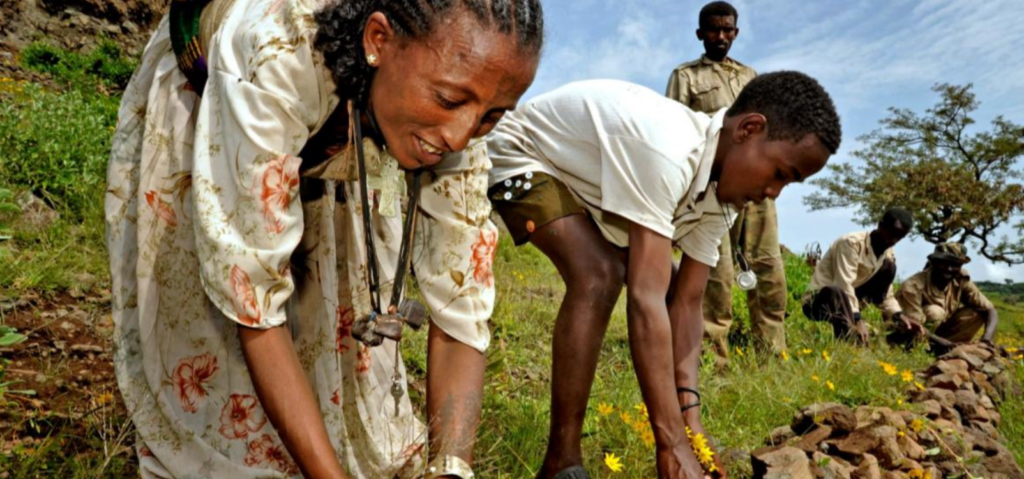
The goal is to move from isolated interventions to connected, locally led action across a landscape. Instead of treating water risk and ecosystem loss as separate, one-off problems, we look at how different parts of a landscape are connected: from the upper slopes to the valley floor, so that holding back water and soil upstream can help reduce flooding and erosion downstream. In Ethiopia’s Wolayta area, that has meant farmers upslope building small structures that slow and capture water, while communities further down stabilise land already scarred by erosion, restoring it step by step. It’s slow work, not always successful the first time, but it is owned by the people doing it.
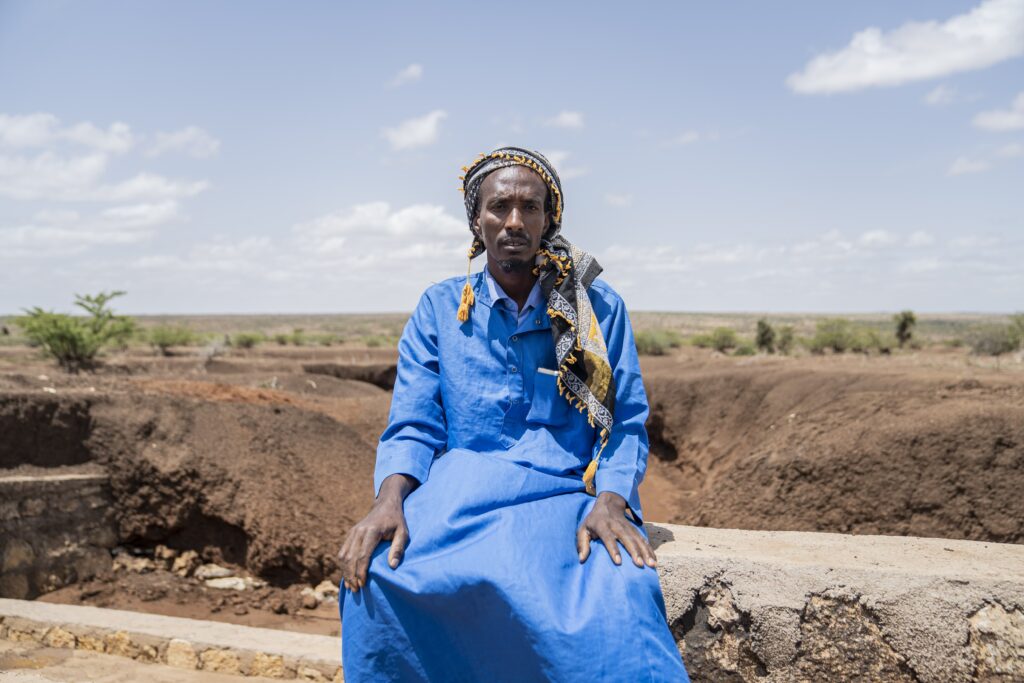
STREAM works through five connected steps that are adapted to each location: understanding the local context and exploring where Working with nature can add value, assessing risks together, community action planning, implementation, and learning from and building on what works. Communities lead throughout, bringing their knowledge, experience and priorities. National Societies facilitate the process, connect people and organisations, and coordinate with local government. Technical partners such as WWF, MetaMeta, Royal Eijkelkamp and Acacia Water bring complementary scientific and technical expertise to help assess options and inform locally-led decisions.
In Egypt’s Beni Suef governorate, for example, residents of El Shoqr identified their own priorities, ranging from climate-smart farming and water management to emergency preparedness. These priorities provide the starting point for exploring what action is appropriate and how working with nature can contribute.”
This video (in Dutch) shows how the Netherlands Red Cross works with communities in southern Ethiopia on solutions that are cheap, simple, and use nature as an ally.