

IFRC Disaster Snapshot
16 September 2026
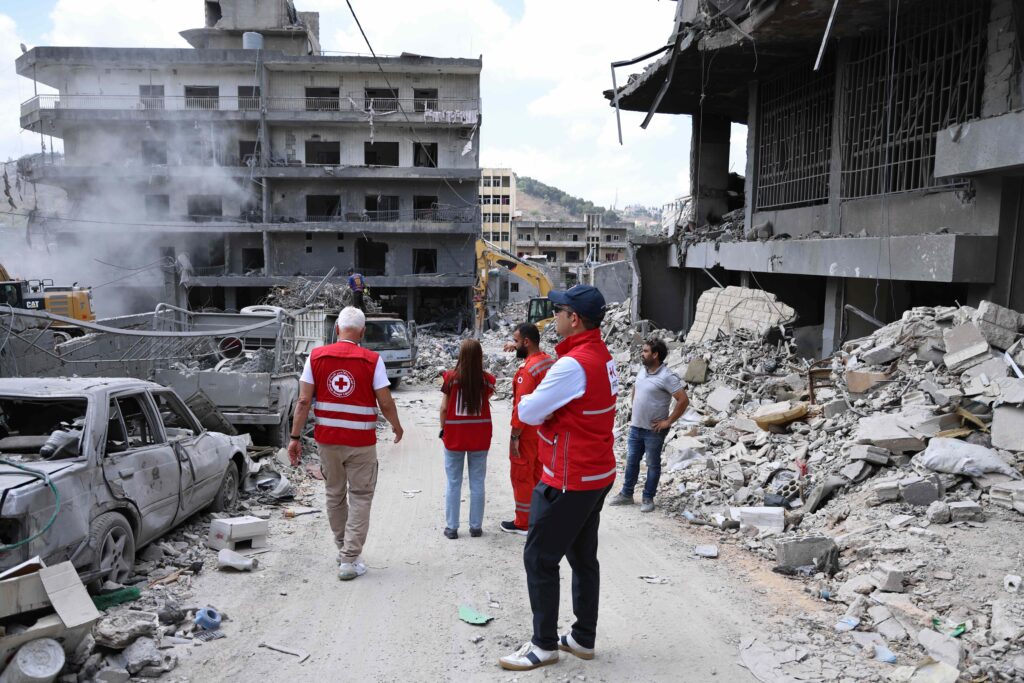
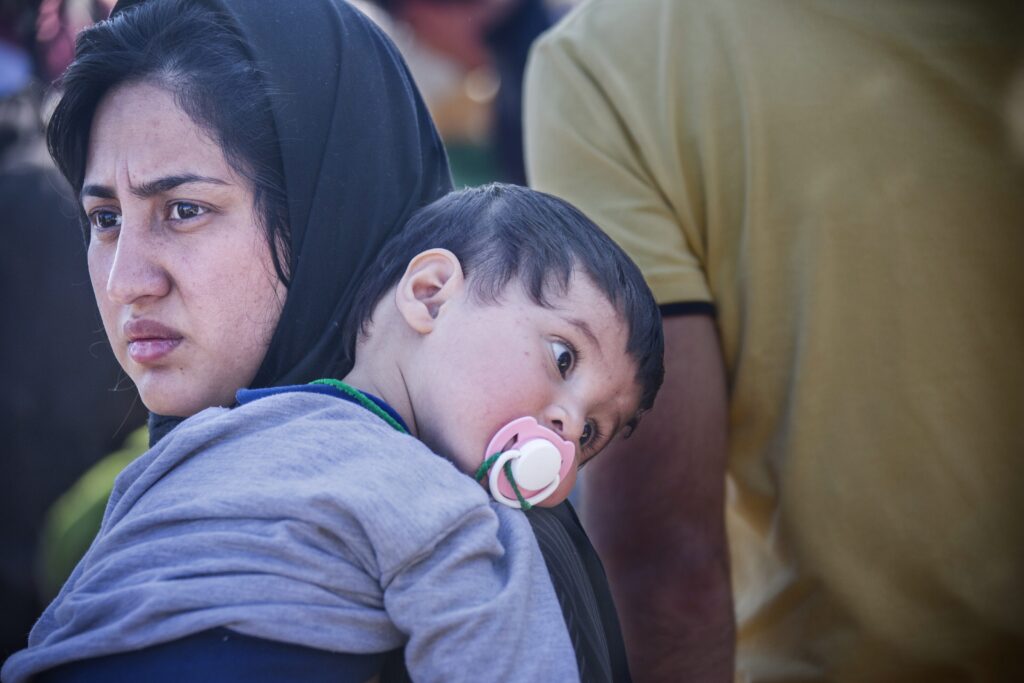
Lebanon is facing a severe and escalating humanitarian emergency. Hostilities have flared repeatedly since October 2023, and a major escalation on 2 March 2026 triggered airstrikes across South Lebanon, Nabatieh, Beirut’s southern suburbs, Bekaa and Baalbek-El Hermel. In the six weeks that followed, more than 1.2 million people were displaced and over 2,000 people were killed. The repeated waves of displacement and destruction continue to place enormous pressure on health, shelter and water systems that were already stretched by one of the most severe economic collapses in the world.
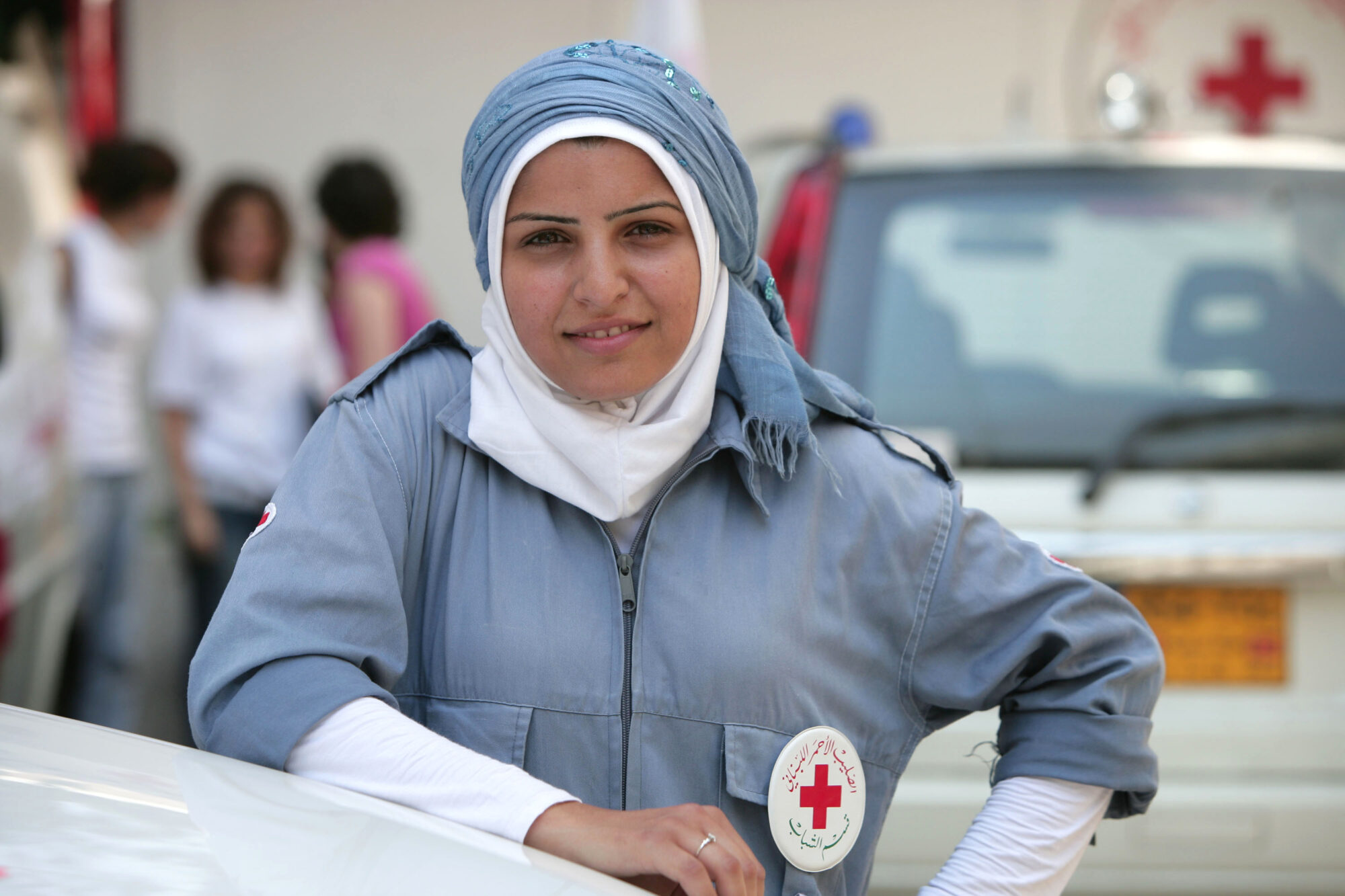
At the centre of the response is the Lebanese Red Cross. Established in 1945 and admitted to the International Federation of Red Cross and Red Crescent Societies (IFRC) in 1948, the Lebanese Red Cross operates through 32 branches and 221 local units nationwide, supported by 400 staff and more than 12,500 volunteers. It is the country’s primary provider of free-of-charge pre-hospital emergency care and blood transfusion services. These are vital national services that give the Lebanese Red Cross access to every part of the country and make it a key partner to authorities during crises. As hostilities continue, the Lebanese Red Cross is sustaining life-saving emergency response while also building the readiness needed to act before the next escalation.
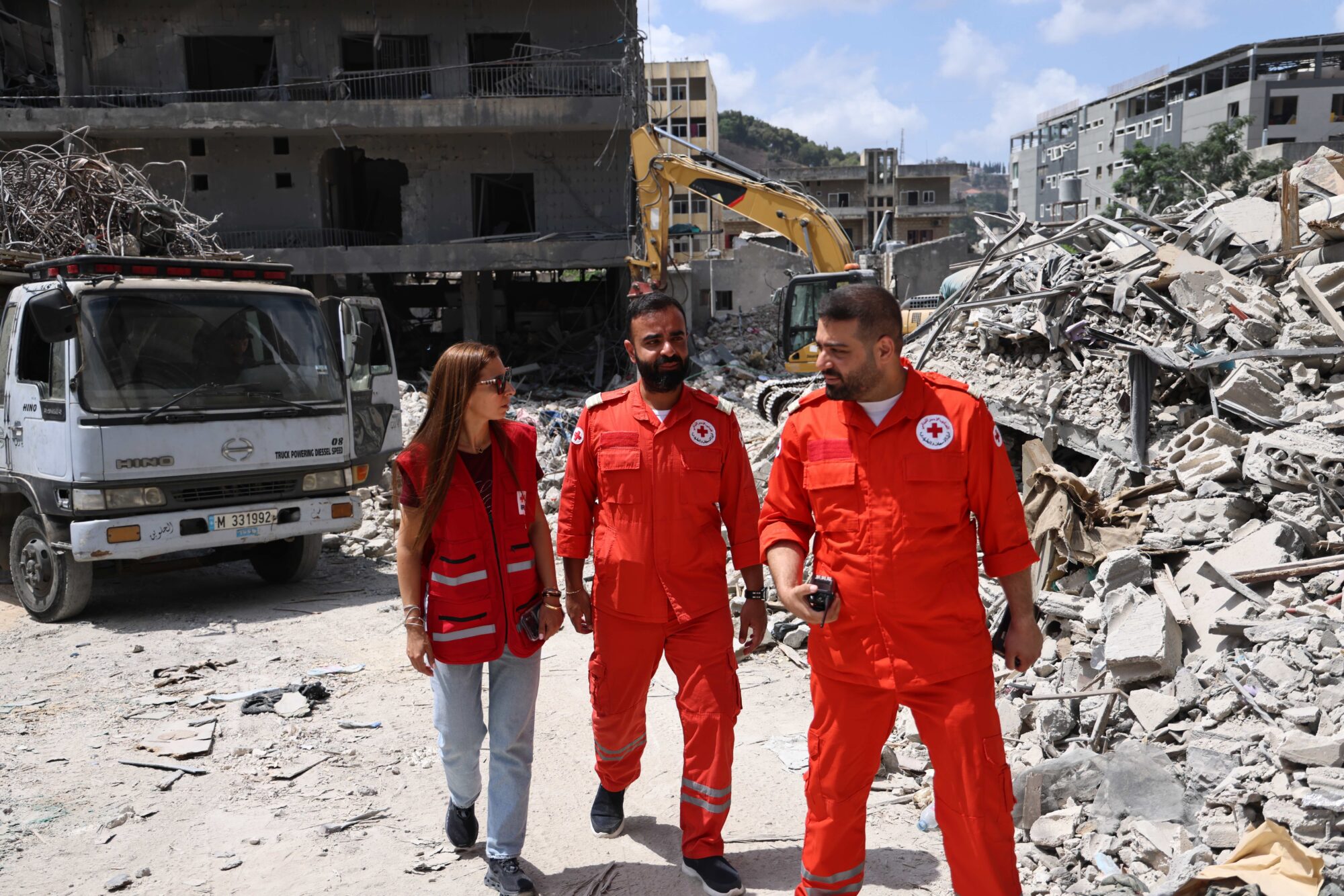
The Netherlands Red Cross supports the Lebanese Red Cross in different ways, from sustaining emergency response during active crises to investing in longer-term resilience.
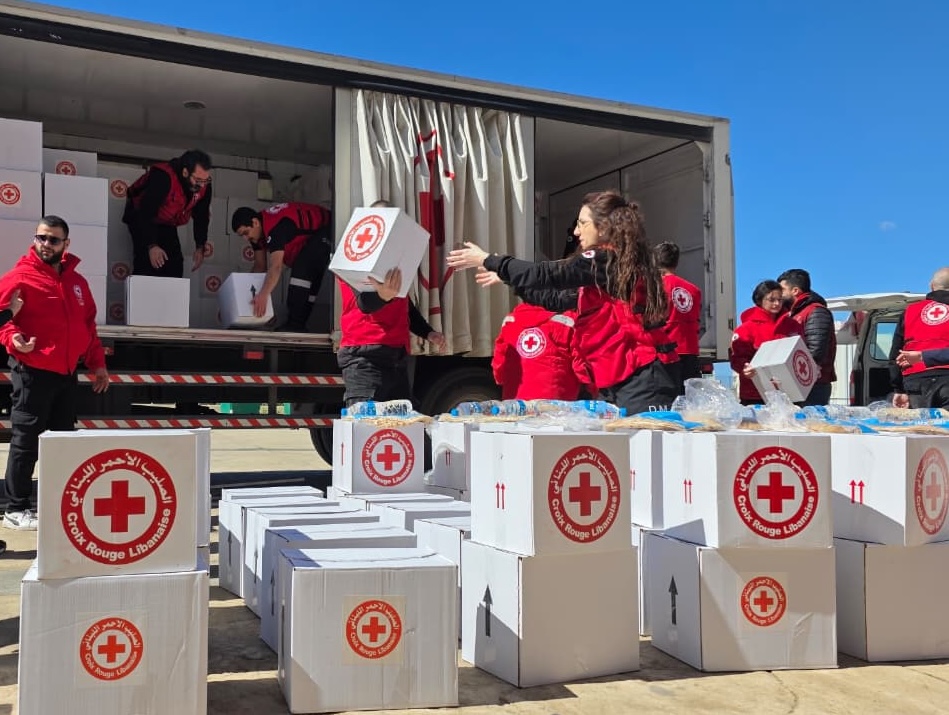
Following the escalation across South Lebanon, Nabatieh and Beirut’s southern suburbs in March 2026, the Lebanese Red Cross activated its conflict readiness and response plan. The plan keeps ambulance, blood transfusion and mobile medical teams operating through a rapidly evolving crisis. The Netherlands Red Cross supports it with unearmarked funding, letting the Lebanese Red Cross direct resources to whichever sector needs them most.
Lebanon’s water infrastructure is under pressure from ongoing conflict, climate-driven drought and years of underinvestment. Through a community-led approach, the Lebanese Red Cross is installing solar-powered water pumping systems in the hardest-hit areas. The National Society works directly with residents to build lasting ownership of these systems, rather than leaving communities dependent on outside support.
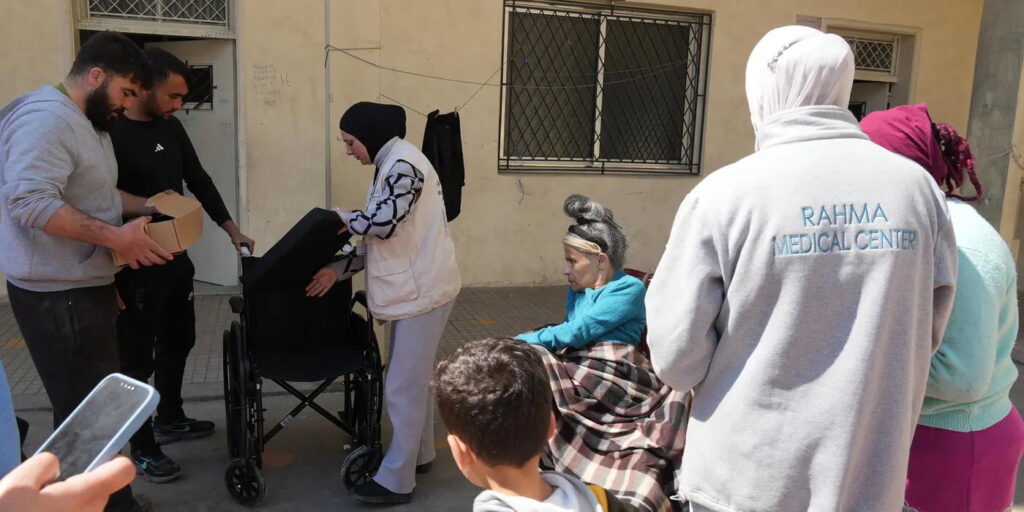
In North Lebanon, the Lebanese Red Cross works with both Syrian refugees and the Lebanese families hosting them, combining livelihood support, improved water and sanitation, and free access to emergency healthcare. Lebanon hosts one of the largest refugee populations per capita anywhere in the world.
The Lebanese Red Cross hosts the MENA Cash Centre of Excellence, a regional resource established in 2021 to strengthen cash and voucher assistance across National Societies in the Middle East and North Africa. The Netherlands Red Cross is one of the partners providing financial support to this locally-led initiative. Through it, the Lebanese Red Cross’ expertise reaches National Societies well beyond Lebanon’s own borders.
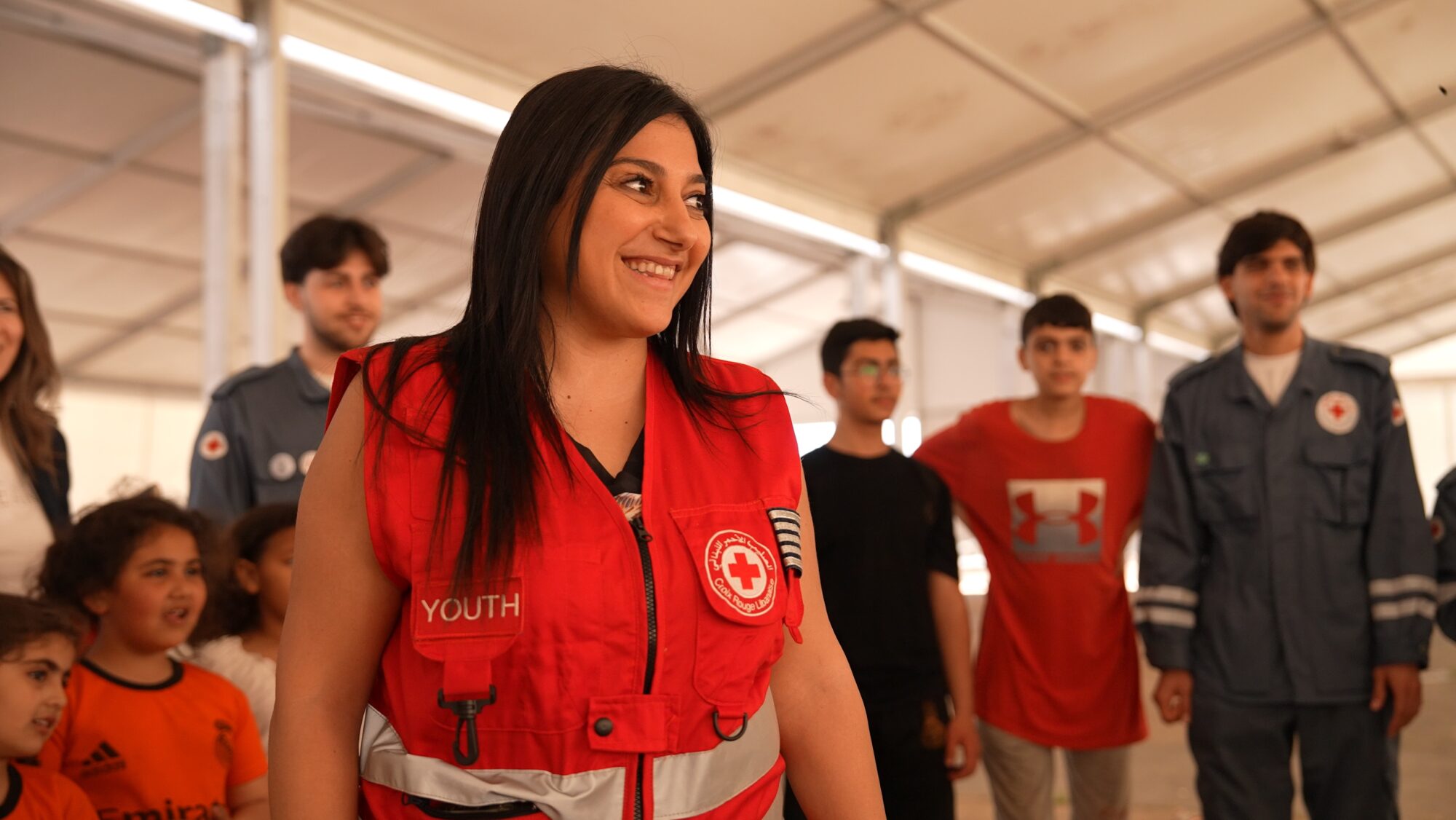
The Lebanese Red Cross leads its own humanitarian response. The Netherlands Red Cross plays a supporting role, working from the belief that the Lebanese Red Cross understands the needs of its communities and the shape of the crisis better than any outside partner.
In practice, this means providing flexible, unearmarked funding to the conflict readiness and response plan that the Lebanese Red Cross can direct to where the needs are most urgent, as well as supporting the installation of solar-powered water systems and the livelihoods of displaced families and host communities in the north. The Netherlands Red Cross also supports the Lebanese Red Cross’ role as a regional technical resource, including its work hosting the MENA Cash Centre of Excellence.
The Netherlands Red Cross and the Lebanese Red Cross have worked together since 1985, one of the Netherlands Red Cross’ longest-standing partnerships in the region, and the Netherlands Red Cross is one of 18 National Societies currently supporting the Lebanese Red Cross’ 2026–2028 country plan. As the Lebanese Red Cross continues to strengthen its own systems and expertise, the Netherlands Red Cross is moving toward a more connecting and enabling role, mobilising funding, technical knowledge and Movement-wide partners rather than directing the response itself.