

PRCS Emergency Master Plan 2025-2027
22 September 2026
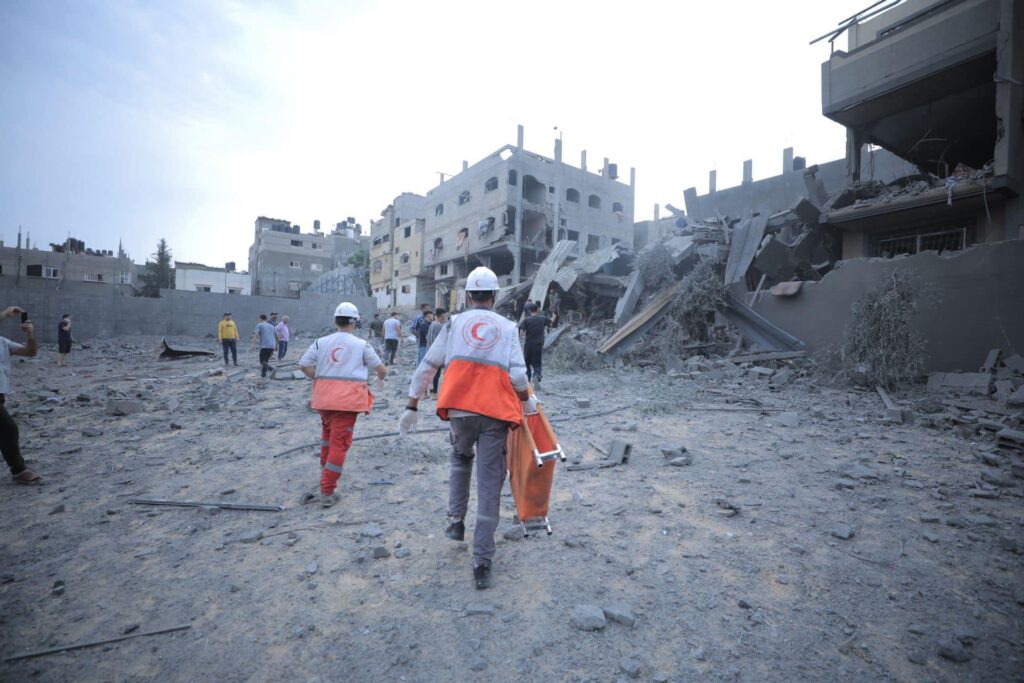
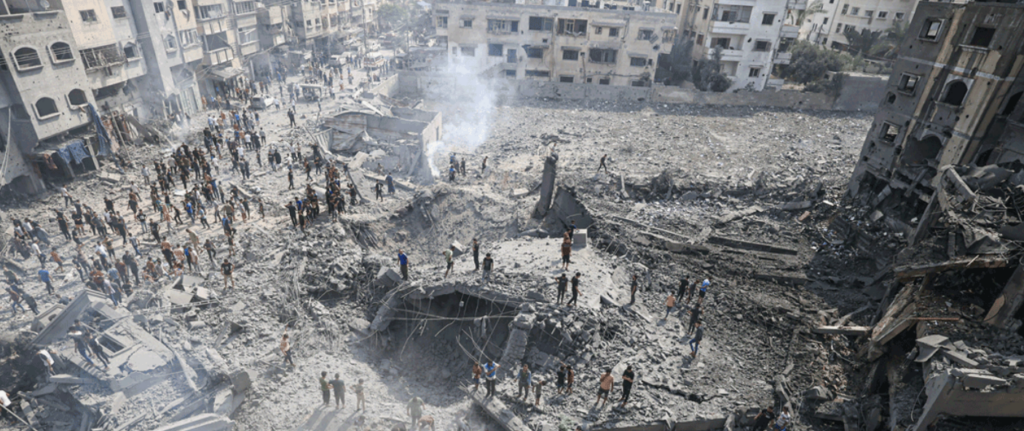
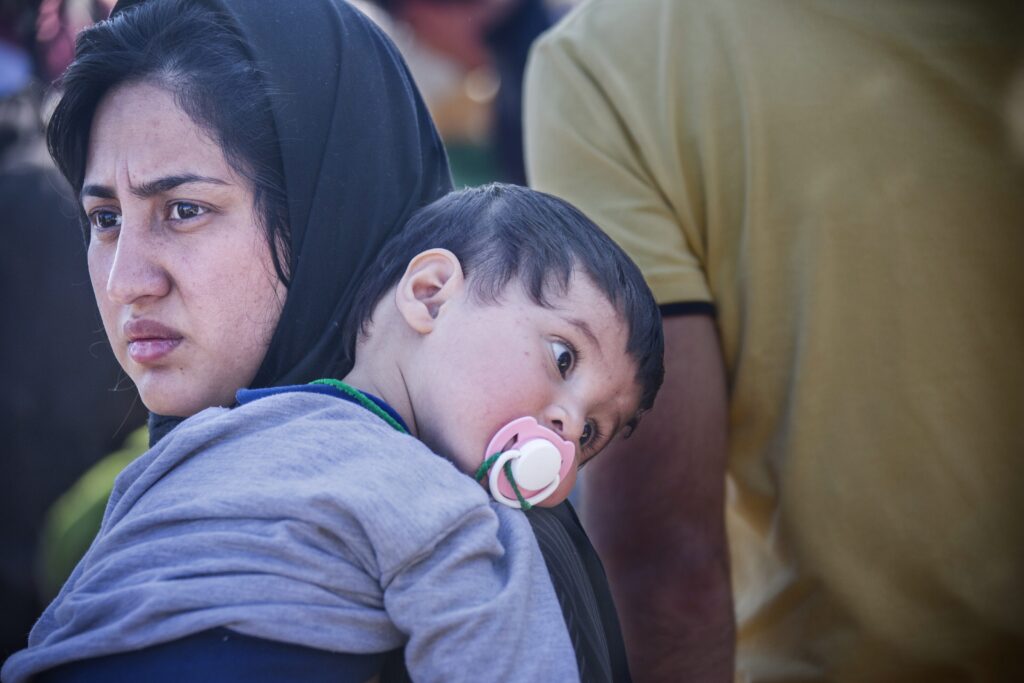
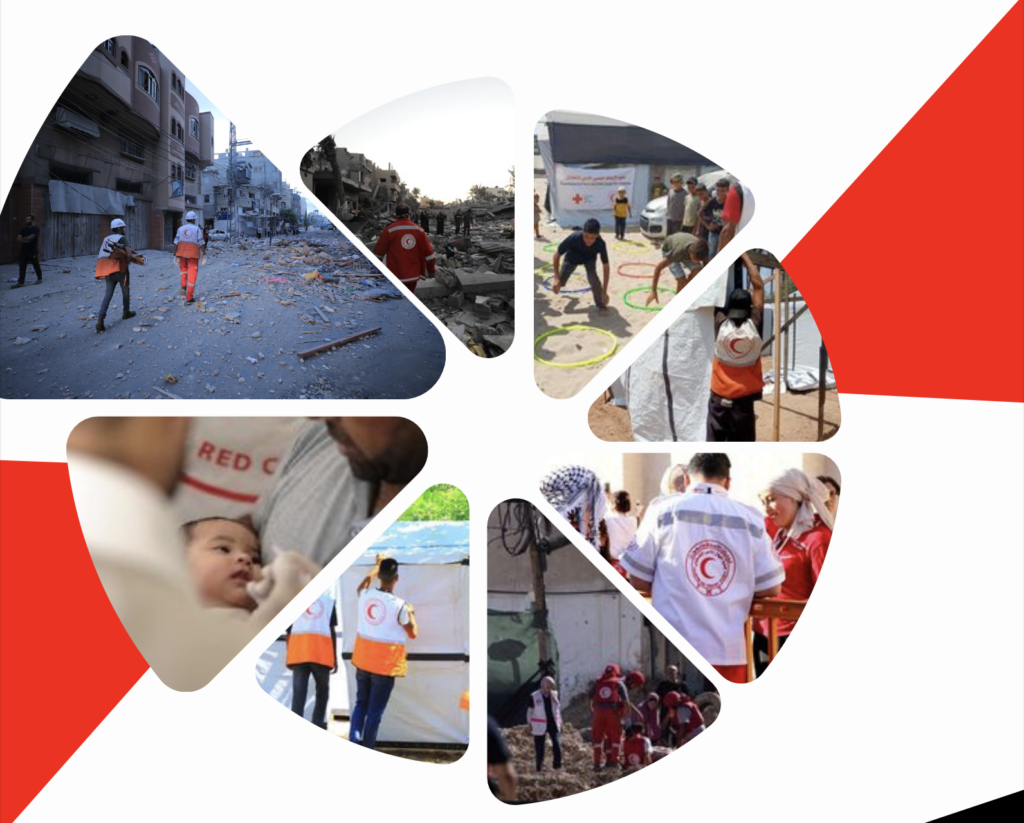
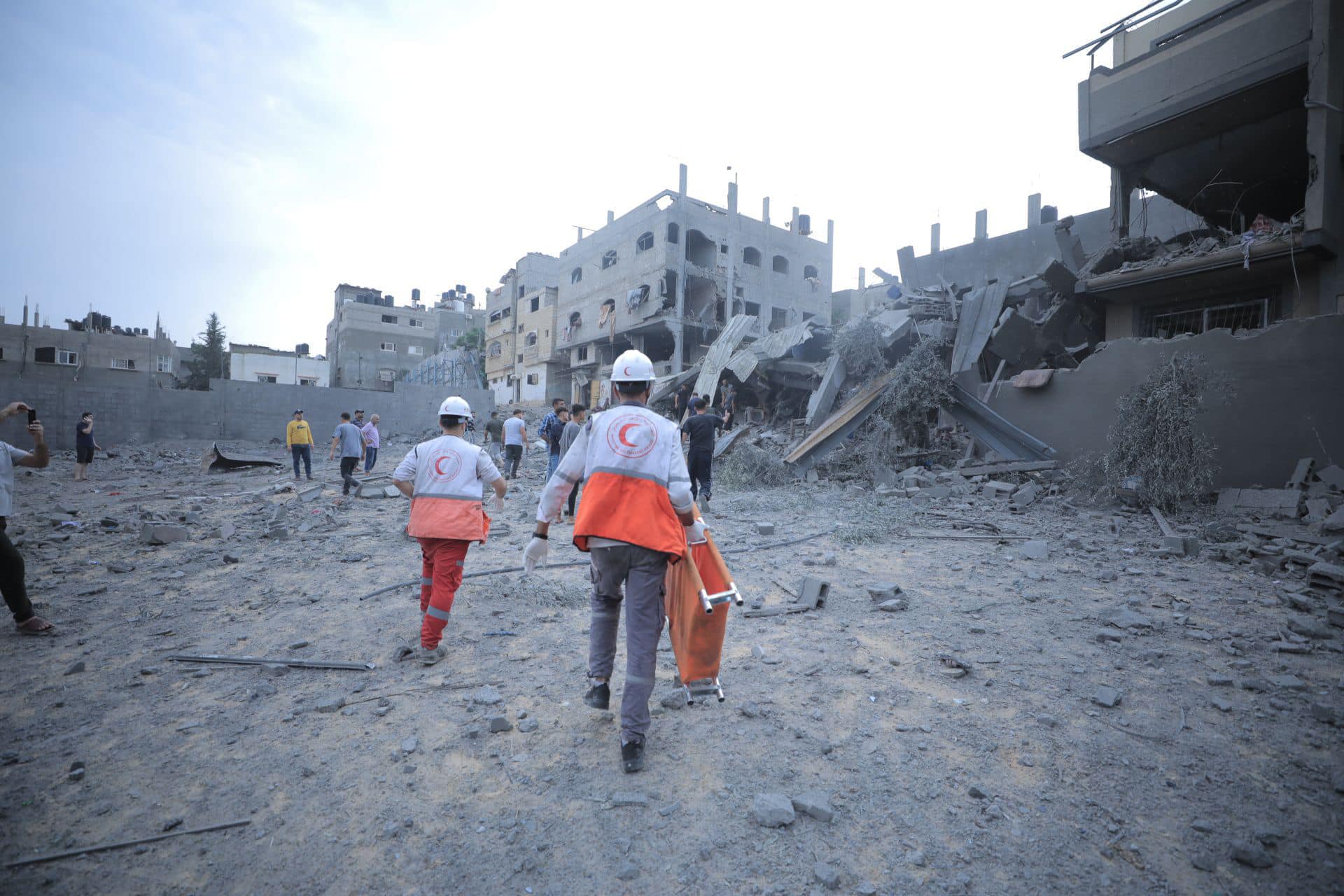
The hostilities that commenced in Gaza in October 2023 have resulted in unprecedented levels of destruction and suffering. Its 2.1 million residents have been displaced and face urgent shortages of food and essential supplies, which led to the declaration of famine in September 2025. A new ceasefire took hold on 9 October 2025, but attacks and demolitions have continued since, and humanitarian access remains severely limited. In the West Bank, including East Jerusalem, settler violence, movement restrictions and military incursions into towns like Jenin and Tulkarem have displaced communities and disrupted daily life.
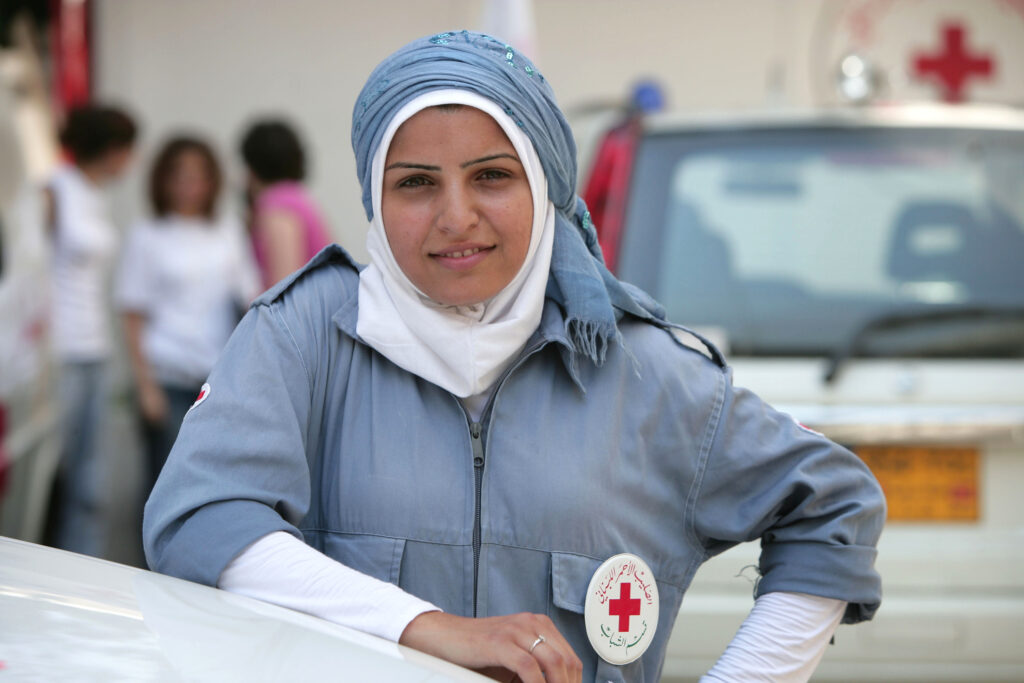
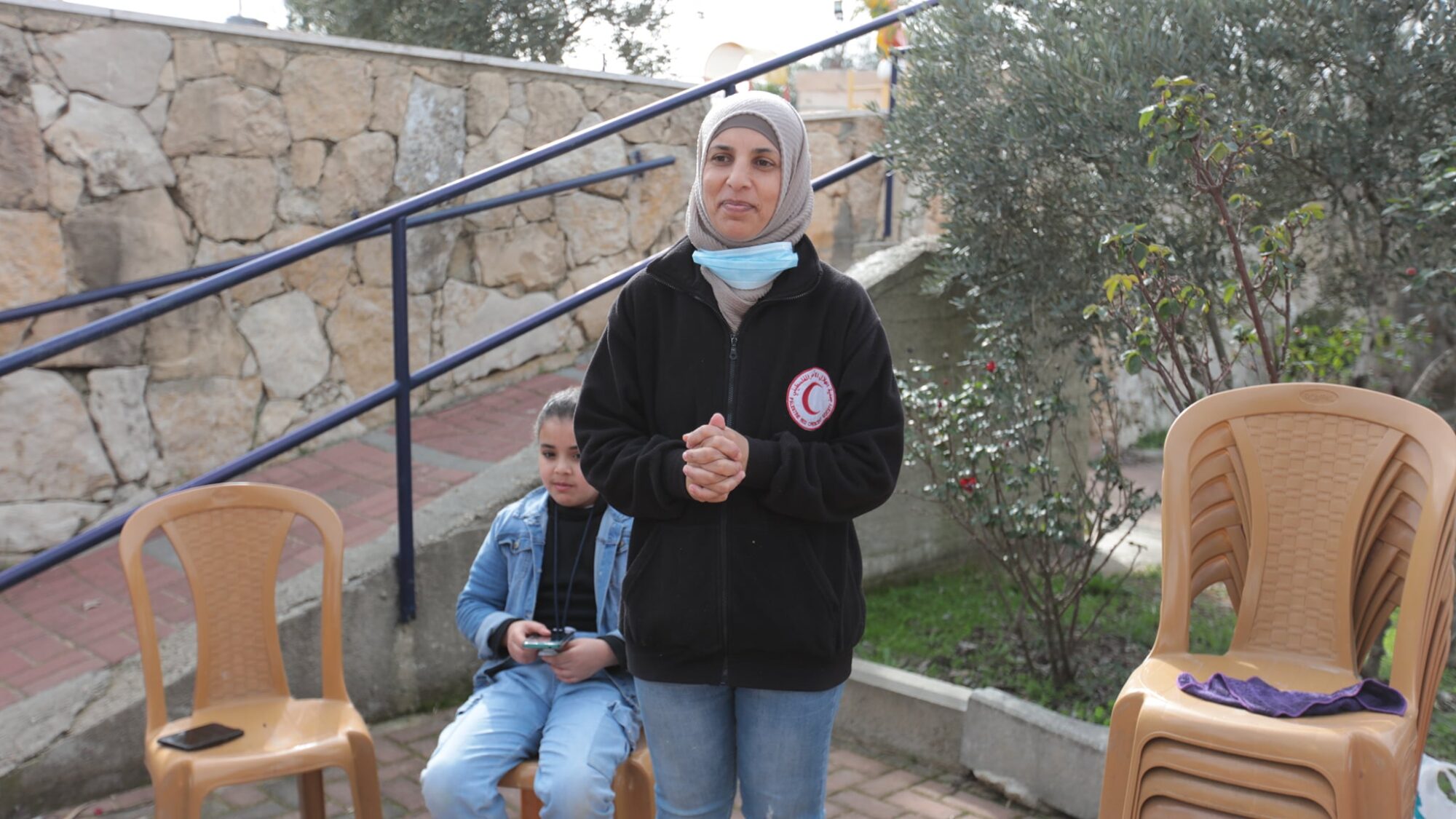
At the centre of the response is the Palestine Red Crescent Society. Founded on 26 December 1968 and admitted as a full member of the International Federation of Red Cross and Red Crescent Societies (IFRC) in 2006, the Palestine Red Crescent Society operates through 34 branches and sub-branches across the West Bank, Gaza and the diaspora, including Lebanon, Syria and Egypt. As of year-end 2025, it runs 17 hospitals, 35 health centres and 188 ambulances, supported by 4,259 staff and 17,000 volunteers. It is the country’s leading humanitarian and health actor, and despite having several of its own branches and facilities damaged or forced out of service by the war, reached more than 8.6 million people affected in 2025 alone.
The Netherlands Red Cross supports the Palestine Red Crescent Society in three specific ways, from sustaining the response in Gaza to strengthening hospitals in the West Bank.
Since the war began, the Palestine Red Crescent Society has kept emergency medical services, field hospitals and relief distribution running in Gaza, even as fuel shortages, damaged infrastructure and restricted aid access made every delivery harder than the last. The Netherlands Red Cross supports the National Society’s emergency master plan, the successor to its original emergency appeal, providing unearmarked funds that the Palestine Red Crescent Society can direct to where needs are most urgent on the ground
In Al-Bireh, Halhul and Hebron, the Palestine Red Crescent Society is strengthening hospital services with better water and sanitation systems, improved care quality and solar power to keep facilities running through fuel shortages and power cuts. The Netherlands Red Cross specifically supports this Access to Health project, helping West Bank hospitals become more resilient rather than only responding to each new crisis.
Since 2014, the Netherlands Red Cross has supported the Palestine Red Crescent Society in strengthening how it runs itself, from rolling out digital systems for health information and resource planning to installing solar power across health facilities. This kind of institutional investment doesn’t make headlines, but it’s what lets the National Society keep functioning when everything else is under strain.
The Netherlands Red Cross aims to strengthen the capacity of hospitals run by the Palestine Red Crescent Society in Lebanese territory. The support provided ensures the provision of medicines, medical supplies, and equipment to five hospitals. In addition, the Netherlands Red Cross supports the Palestine Red Crescent Society in providing resilient Water, Sanitation and Health (WASH) services as well as clean and reliable solar energy to cover the needs of the hospitals
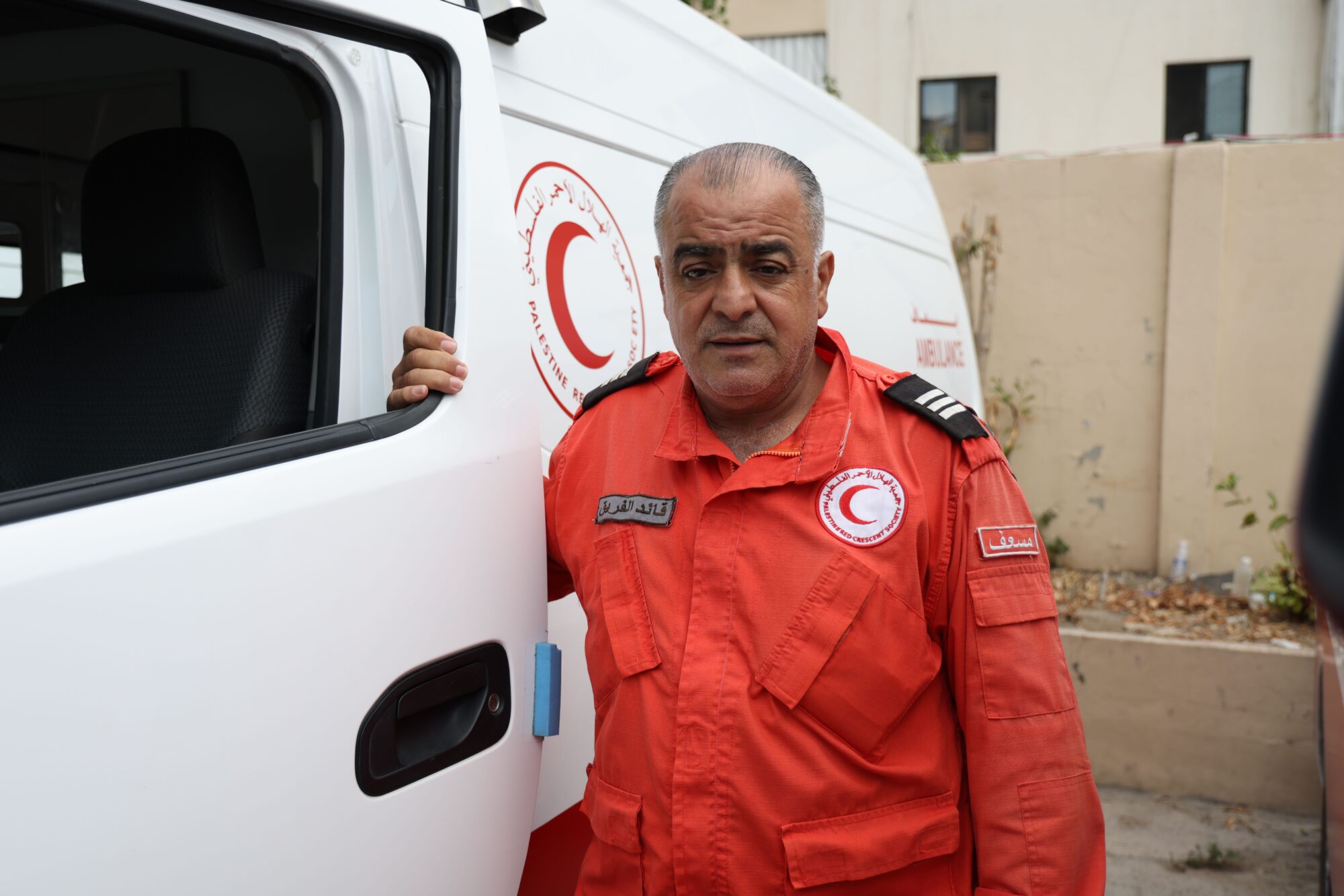
The Palestine Red Crescent Society leads its own humanitarian response. The Netherlands Red Cross plays a supporting role, working from the belief that the National Society understands the needs of its communities and the shape of the crisis better than any outside partner.
In practice, this means the Netherlands Red Cross supports the Palestine Red Crescent Society’s emergency master lan in Gaza, funds the Access to Health project strengthening hospitals in Al-Bireh, Halhul and Hebron, and invests in the National Society’s own institutional systems, from digital health records to solar power. That combination reflects both immediate response and the longer-term resilience the Palestine Red Crescent Society needs to keep functioning through repeated crises.
The Netherlands Red Cross and the Palestine Red Crescent Society have worked together since 2014. As the Palestine Red Crescent Society continues to sustain services under some of the most difficult conditions any National Society faces, The Netherlands Red Cross is focused on the specific, technical role it can play best, rather than trying to cover everything at once.