

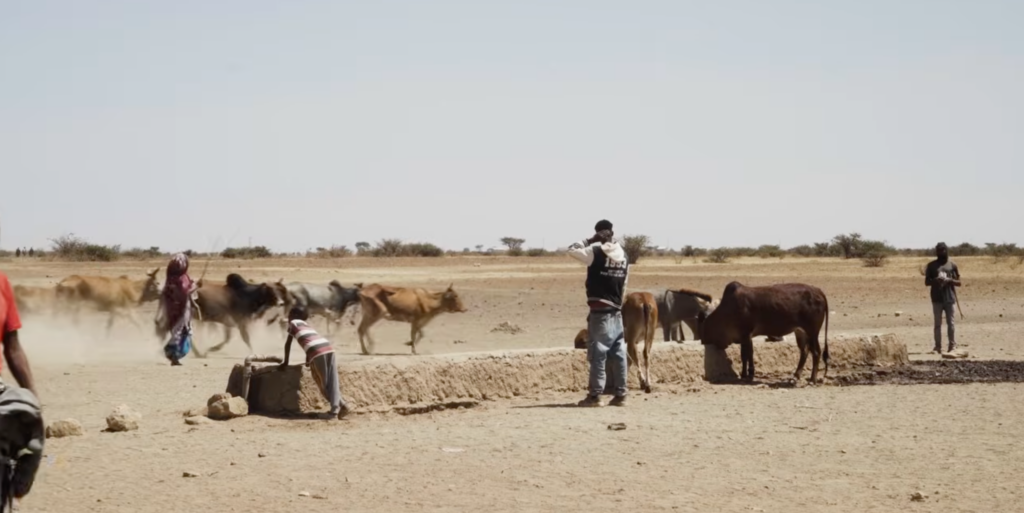
Preparing for the next drought or flood in Ethiopia
28 September 2026
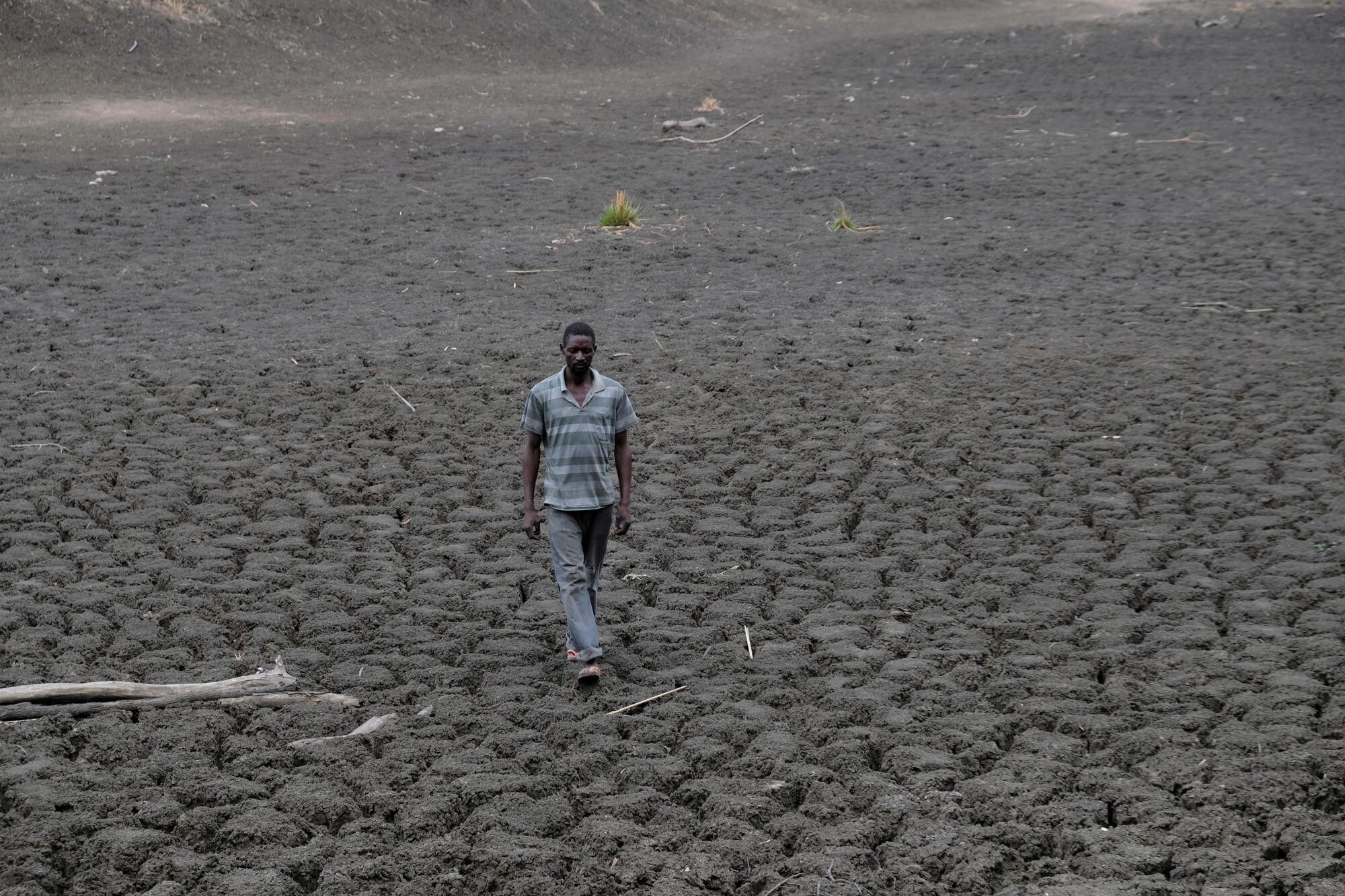
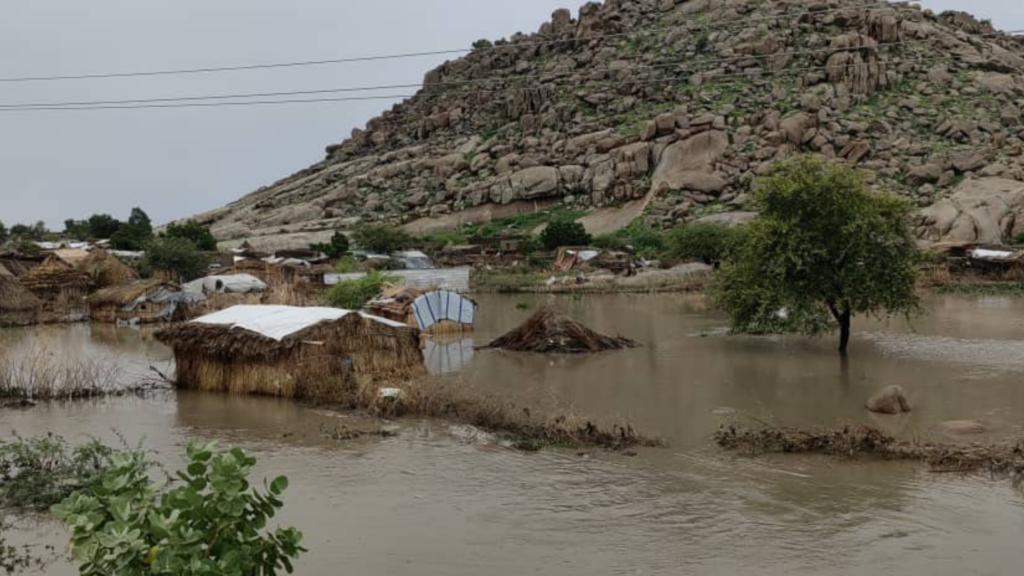
Some crises don’t arrive as a single, dramatic event. They build gradually, through years of drought, food insecurity or civil unrest, until state systems and coping capacities can no longer keep up, and a difficult situation tips into one communities cannot recover from on their own. Protracted crises like these rarely make headlines the way a sudden disaster does, yet they preoccupy the majority of the world’s humanitarian resources: in 2022, countries facing protracted crises received 92% of all humanitarian funding worldwide.
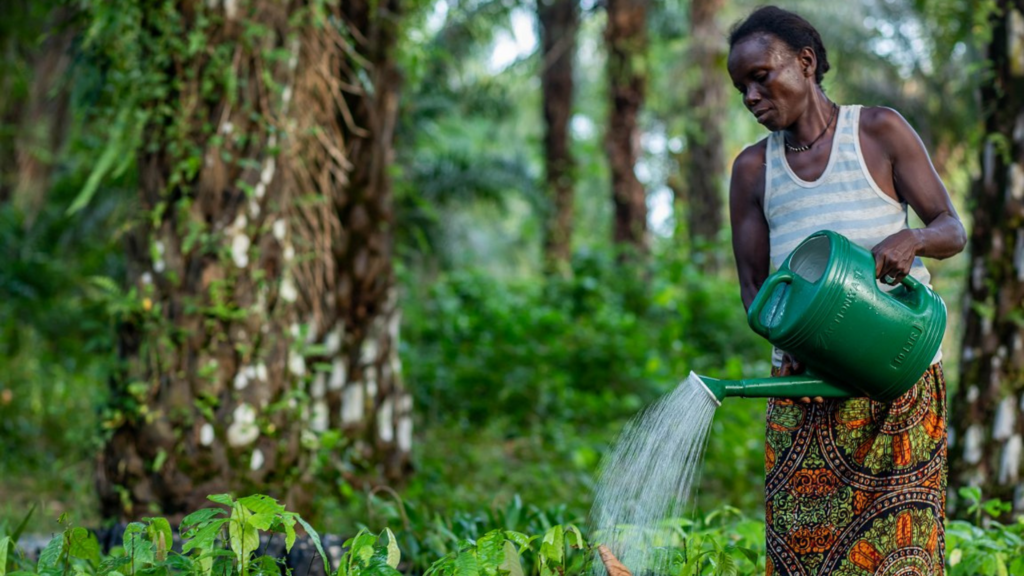
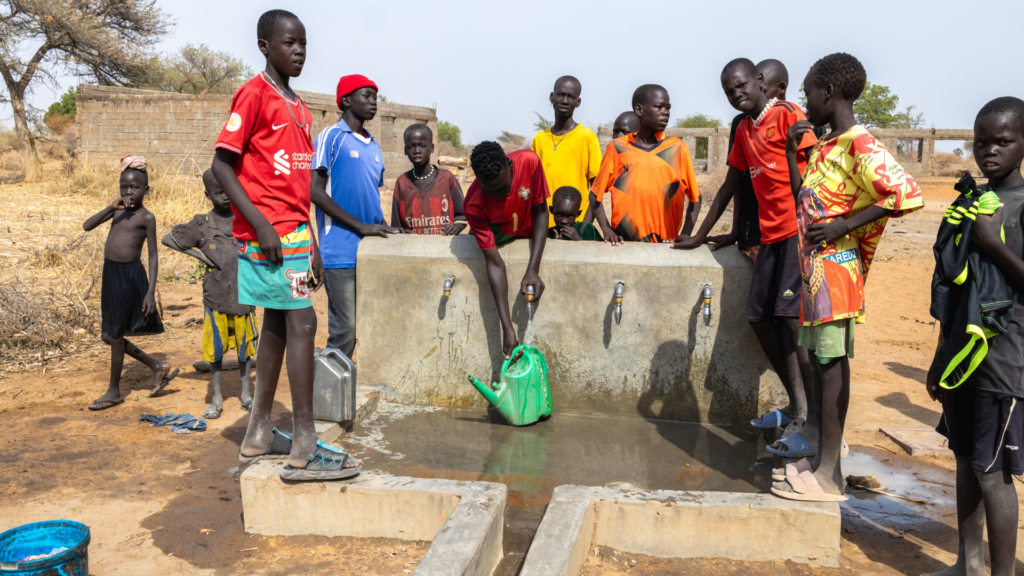
Through this programme, the Netherlands Red Cross provides longer-term, more predictable funding specifically reserved for protracted crises, rather than responding to them the same way as a sudden emergency. Interventions typically run long enough to focus on underlying causes rather than only symptoms: in Mali, that has meant helping communities grow 250,000 tree seedlings across six local nurseries, both for income and for reforestation, while in South Sudan it has meant building more than 470 latrines that brought essential sanitation to over 54,000 people. Every project must include a clear exit strategy, so support builds toward lasting change rather than ongoing dependency.
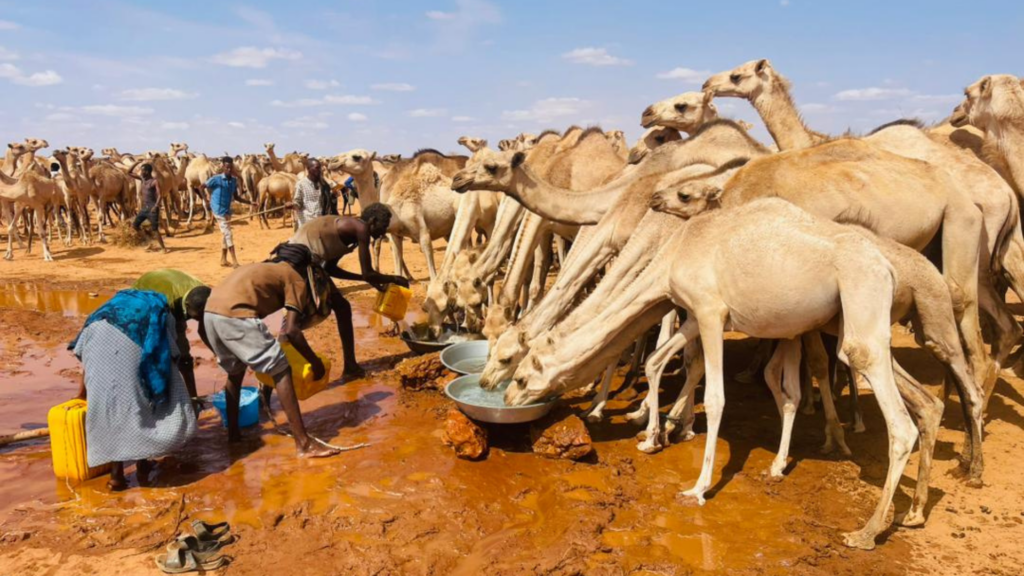
The goal is to break the cycle of crisis and response. Instead of the same communities needing emergency support year after year, this programme invests in addressing the underlying causes of protracted crises, through climate-resilient water systems, preparedness and stronger National Societies, so that recovery actually holds. It’s the difference between repeatedly treating the same wound and helping it heal.
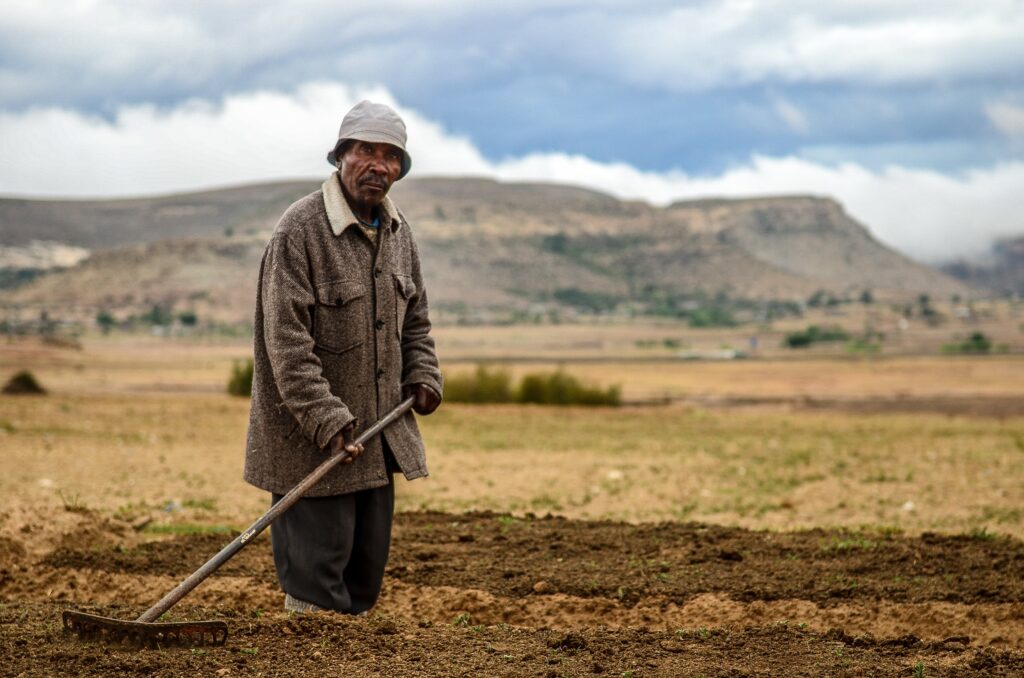
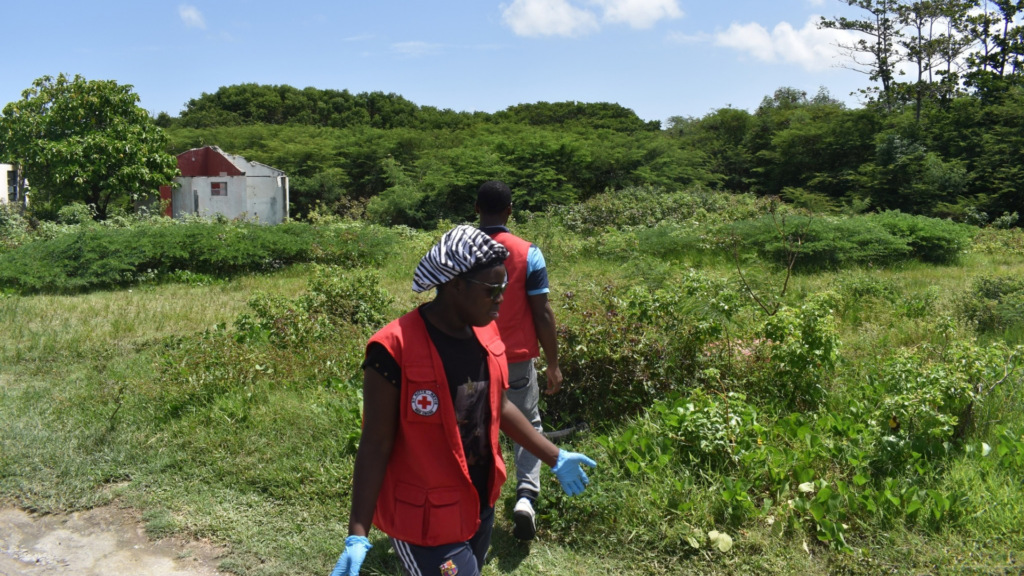
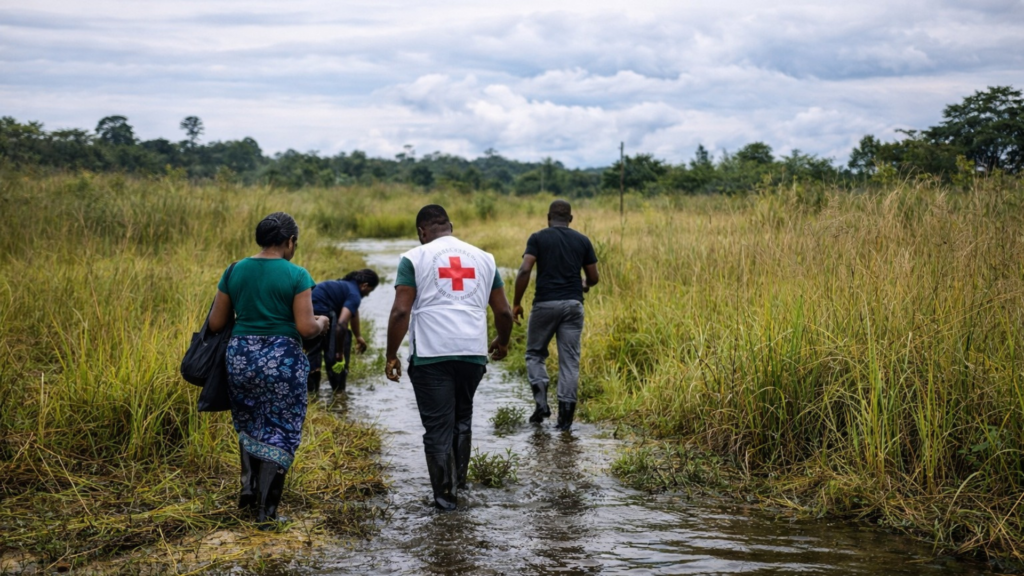
National Societies lead the response themselves when addressing a protracted crisis, with day-to-day support from the Netherlands Red Cross’ in-country teams. Funding can go to bilateral projects or to multilateral operations through National Societies or IFRC, whichever reaches people most effectively.