

IFRC Emergency Operations Centres Guide 2026
02 September 2026
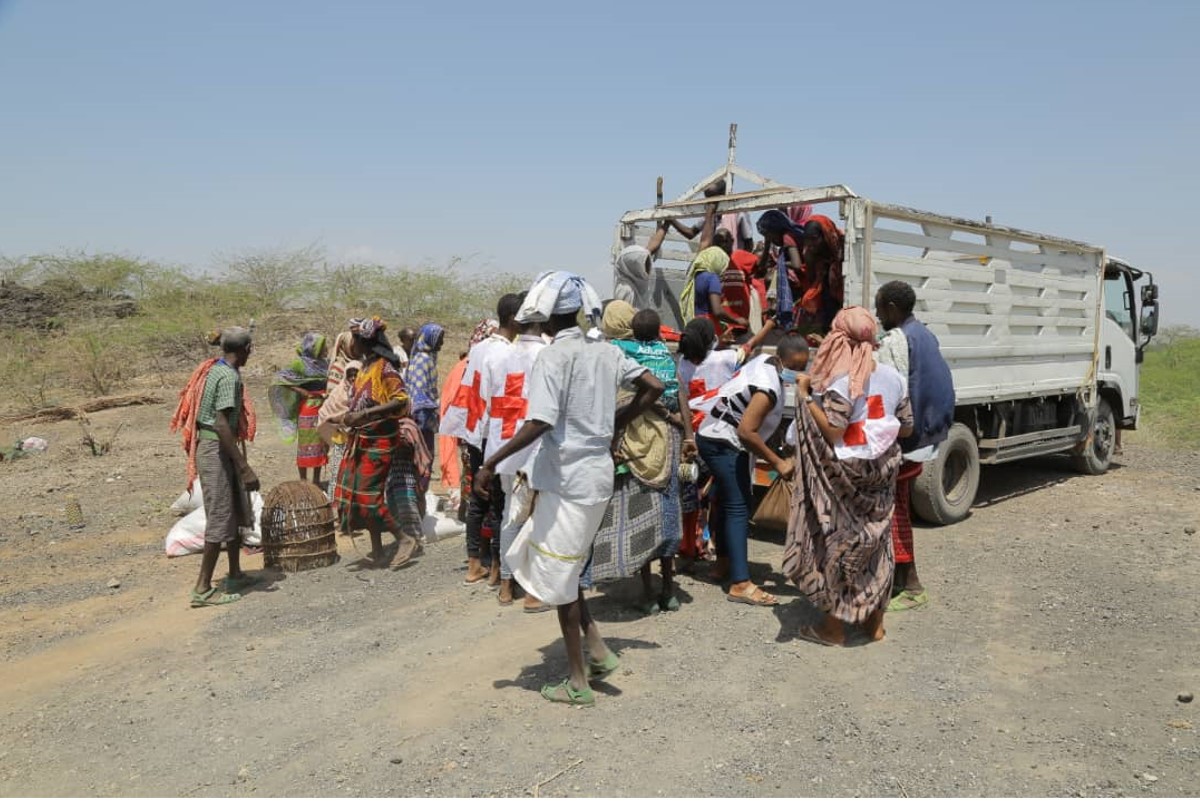
Disasters do not arrive without warning. Floods, droughts, disease outbreaks, for many of these events, forecasts exist days or weeks in advance. The question is whether communities and National Societies have the tools, the plans and the resources to act on those forecasts before they make impact.
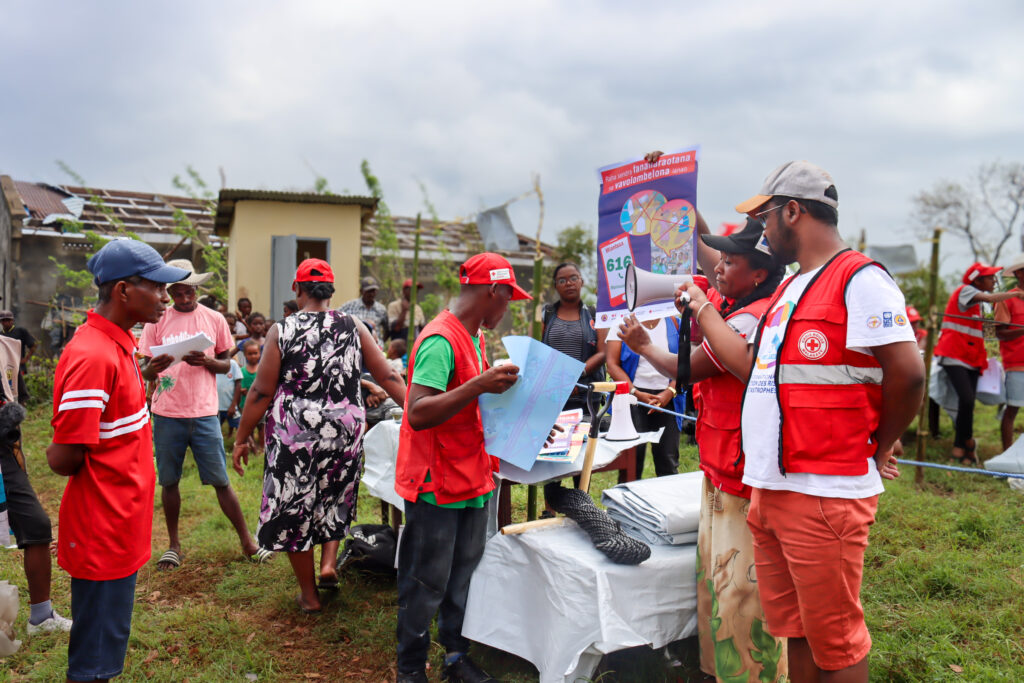
The Netherlands Red Cross works with National Societies to build that capacity. The work covers three connected areas. The first is developing anticipatory action protocols: pre-agreed plans that define what actions to take, when to take them, and how to fund them, based on forecast triggers. The second is co-designing early action plans with communities themselves, drawing on local knowledge, indigenous early warning indicators and community-driven solutions for floods, droughts and climate-sensitive disease risks. The third is helping National Societies embed anticipatory action into national disaster risk management systems, so that early action becomes a structural part of how a country prepares, not a one-off project. Support has been applied in Uganda, Zambia and beyond, across floods, droughts and public health risks.
Support is technical and hands-on, shaped around the hazard context and the capacity of the National Society. It can include:
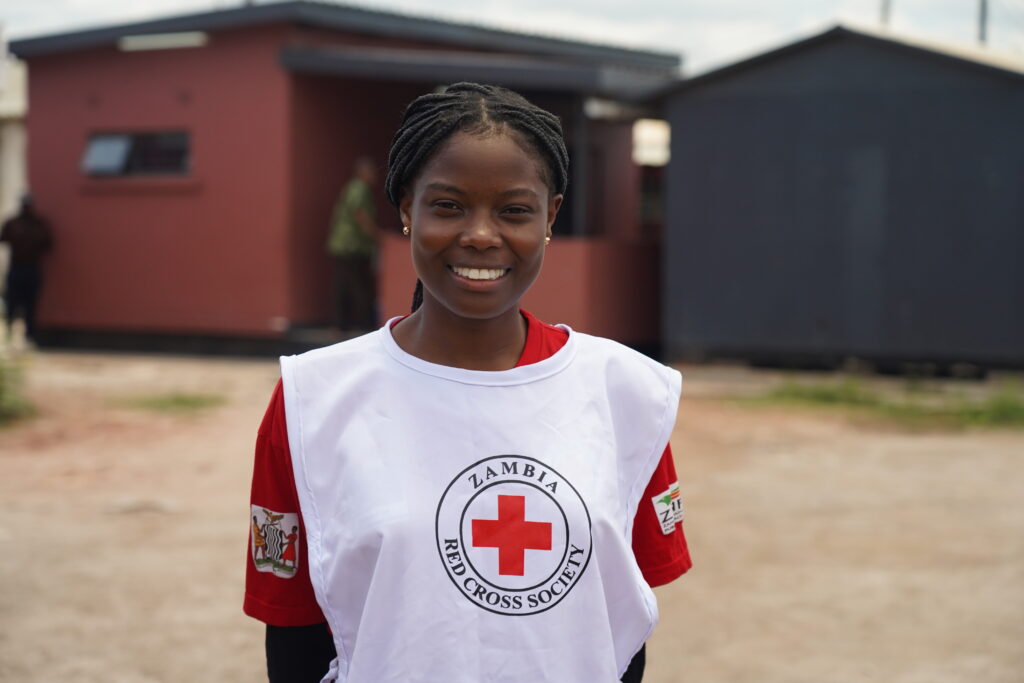
In Zambia, the Zambia Red Cross Society worked with The Netherlands Red Cross and the Red Cross Red Crescent Climate Centre to develop Early Action Protocols (EAPs) for both floods and droughts, building the foundation for a national anticipatory action system.
Would you like to get in touch? Feel free to reach out to the following team member.