

The role of artificial intelligence for early warning systems
26 August 2026
Humanitarian crises generate urgent questions that emergency operations alone cannot answer. Why does one flood trigger a disease outbreak while another does not? How reliable is forecast data when lives depend on it? What does it actually take for communities to act early on a warning they have never seen before?
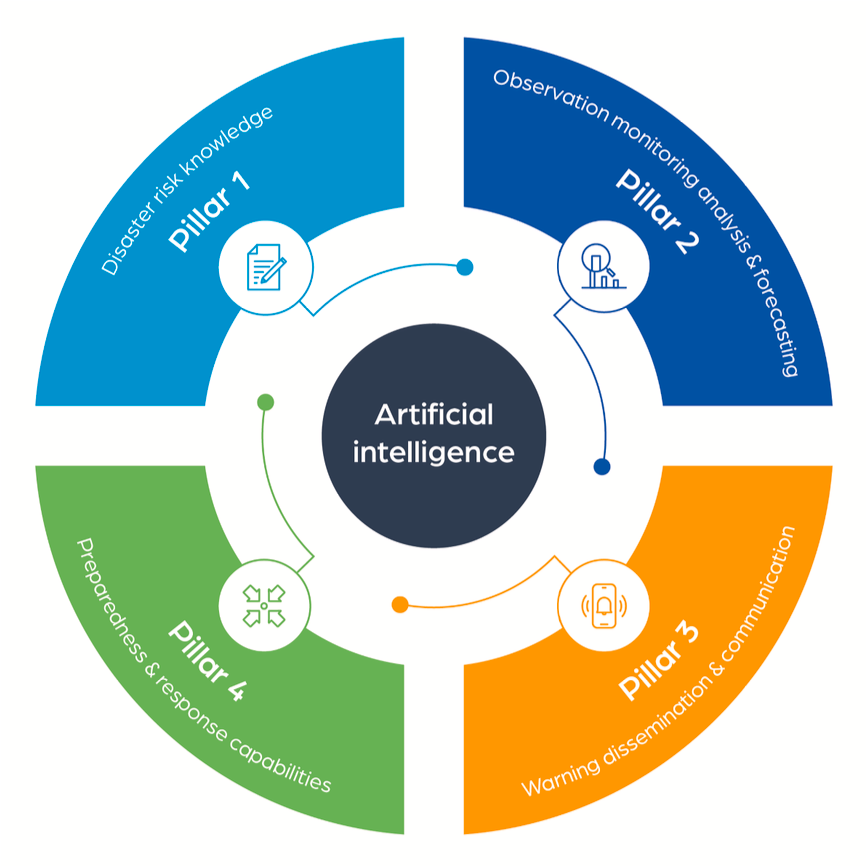
The Netherlands Red Cross invests in applied research to find answers that improve how National Societies prepare for and respond to crises. Research starts from questions that National Societies and operational partners bring from their experience. Topics span impact-based forecasting and trigger models for anticipatory action, risk and impact data quality, digital inclusion, the potential of nature-based solutions, and the role of Artificial Intelligence (AI) in humanitarian decision-making. Every research project connects directly to a specific expertise of the Netherlands Red Cross. Findings feed back into operations, shaping tools, guidelines, and approaches that National Societies can actually use.
Research is structured to generate the most useful output with the least overhead. It can include:
In Cameroon, research by Netherlands Red Cross students on cholera risk and cross-sector collaboration supported the world’s first validated Early Action Protocol (EAP) for epidemics, now run by the Cameroon Red Cross.

Scientific Lead, the Netherlands Red Cross
mvandenhomberg@redcross.nl