

Sudan: 2026-2028 IFRC network country plan
08 October 2026
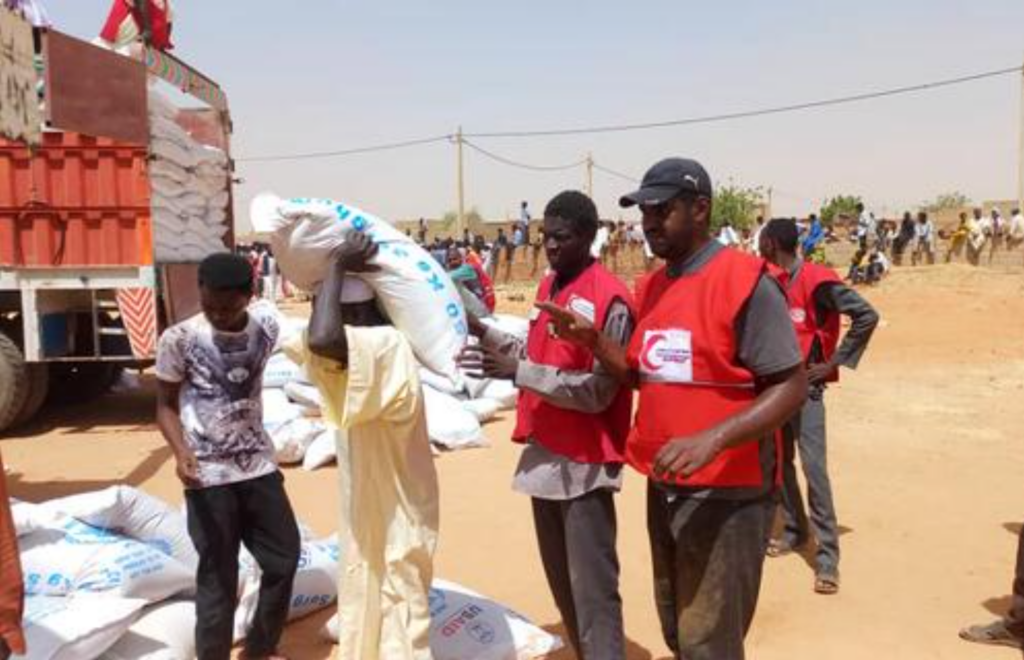
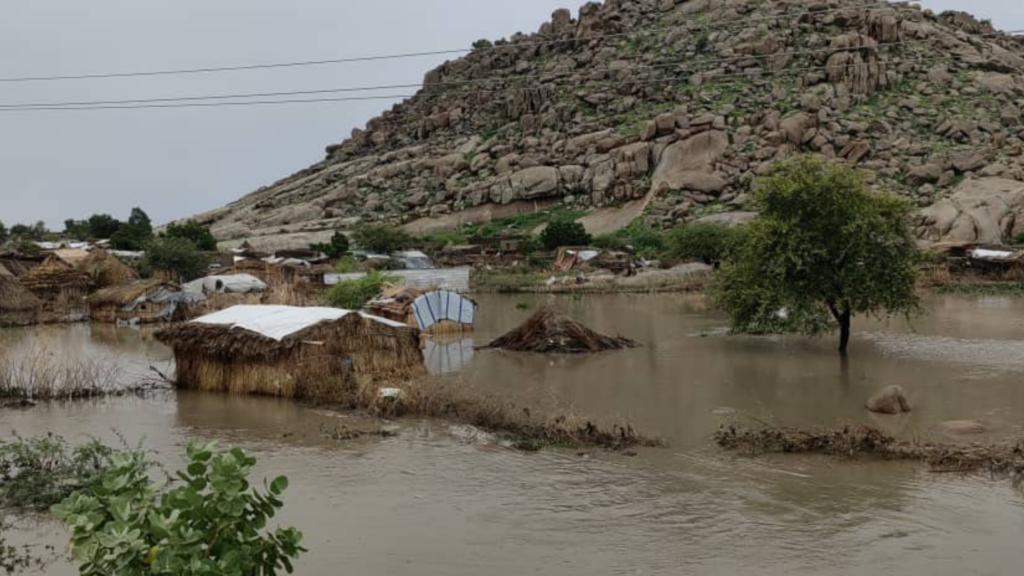
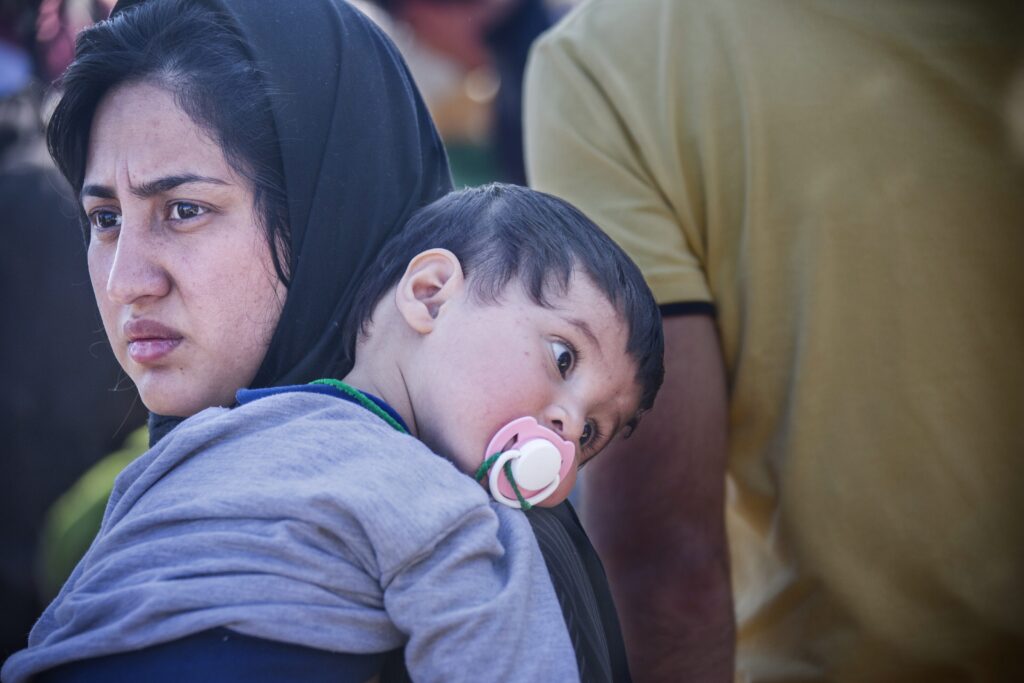
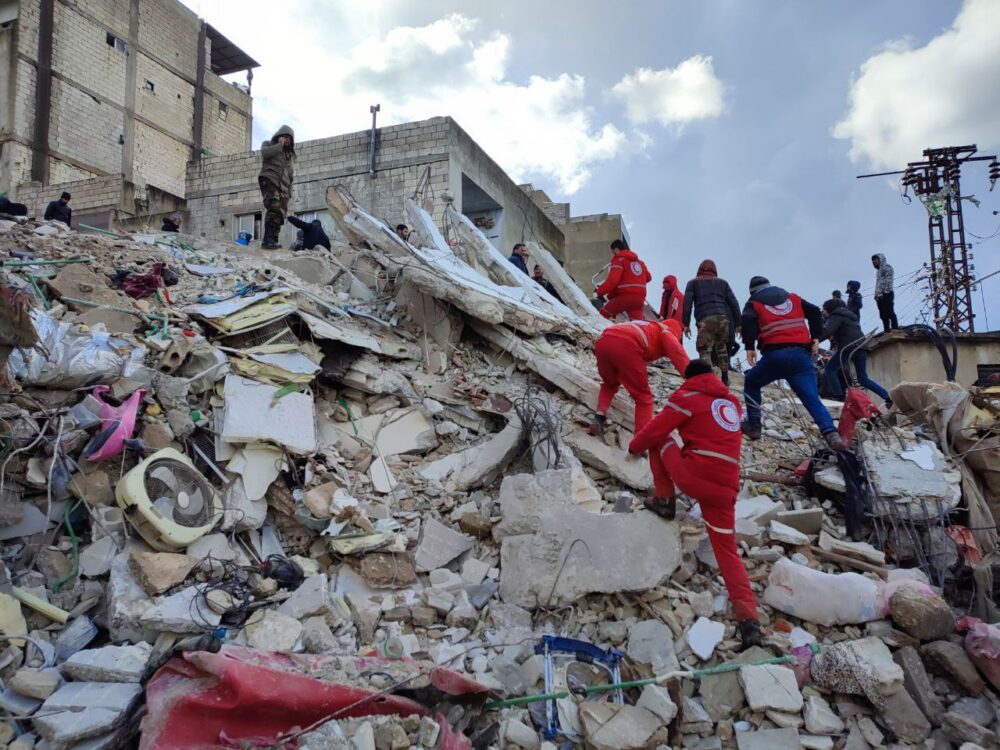
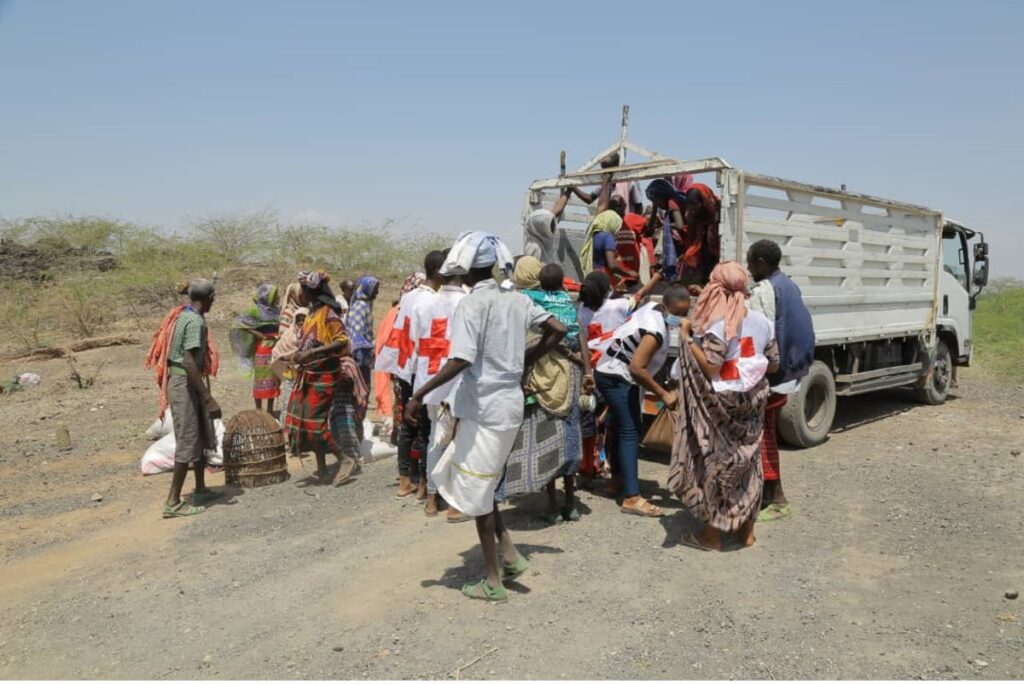
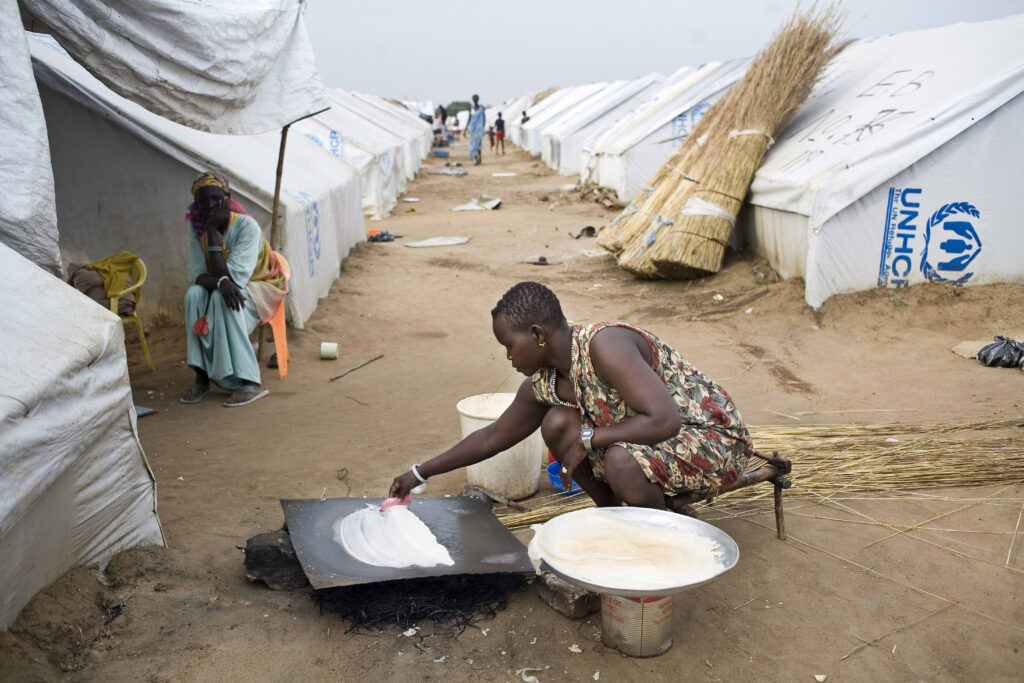
Sudan is facing the world’s largest internal displacement crisis. Since fighting broke out in Khartoum on 15 April 2023, more than 8.5 million people remain displaced, and 33.7 million, nearly two-thirds of the population, need humanitarian assistance. Widespread food insecurity, floods and cholera outbreaks add to the strain, while insecurity makes parts of the country difficult and risky for aid workers to reach. Services that communities depend on, from health care to clean water, are under enormous pressure.
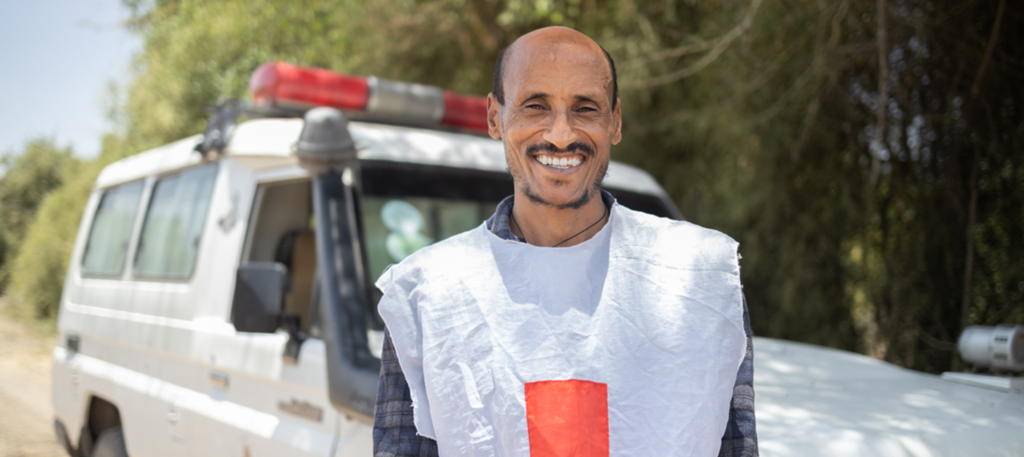
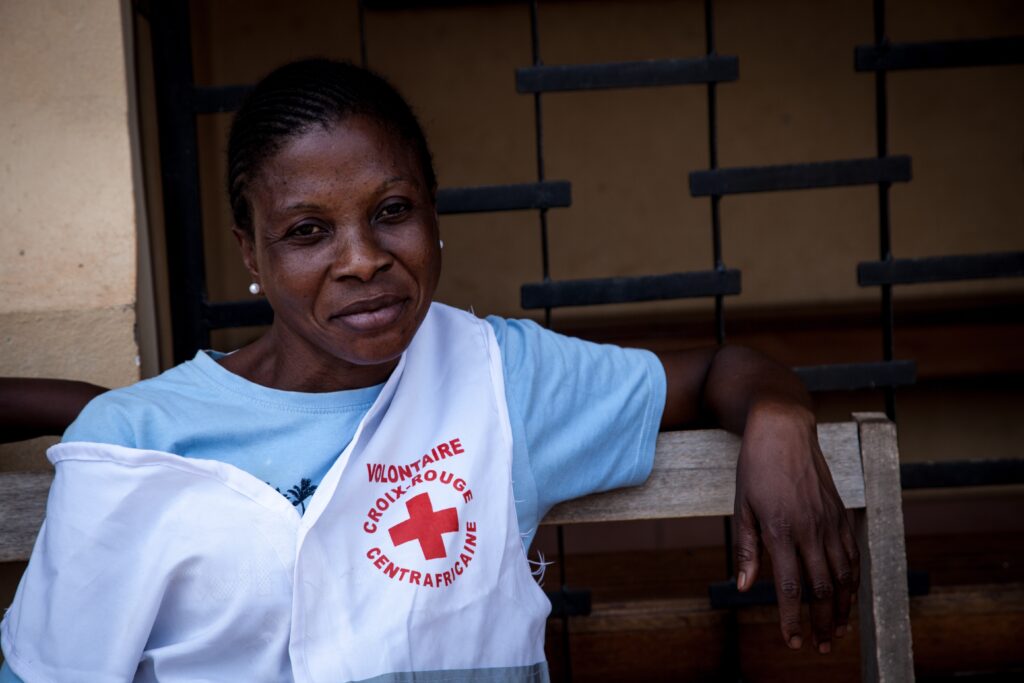
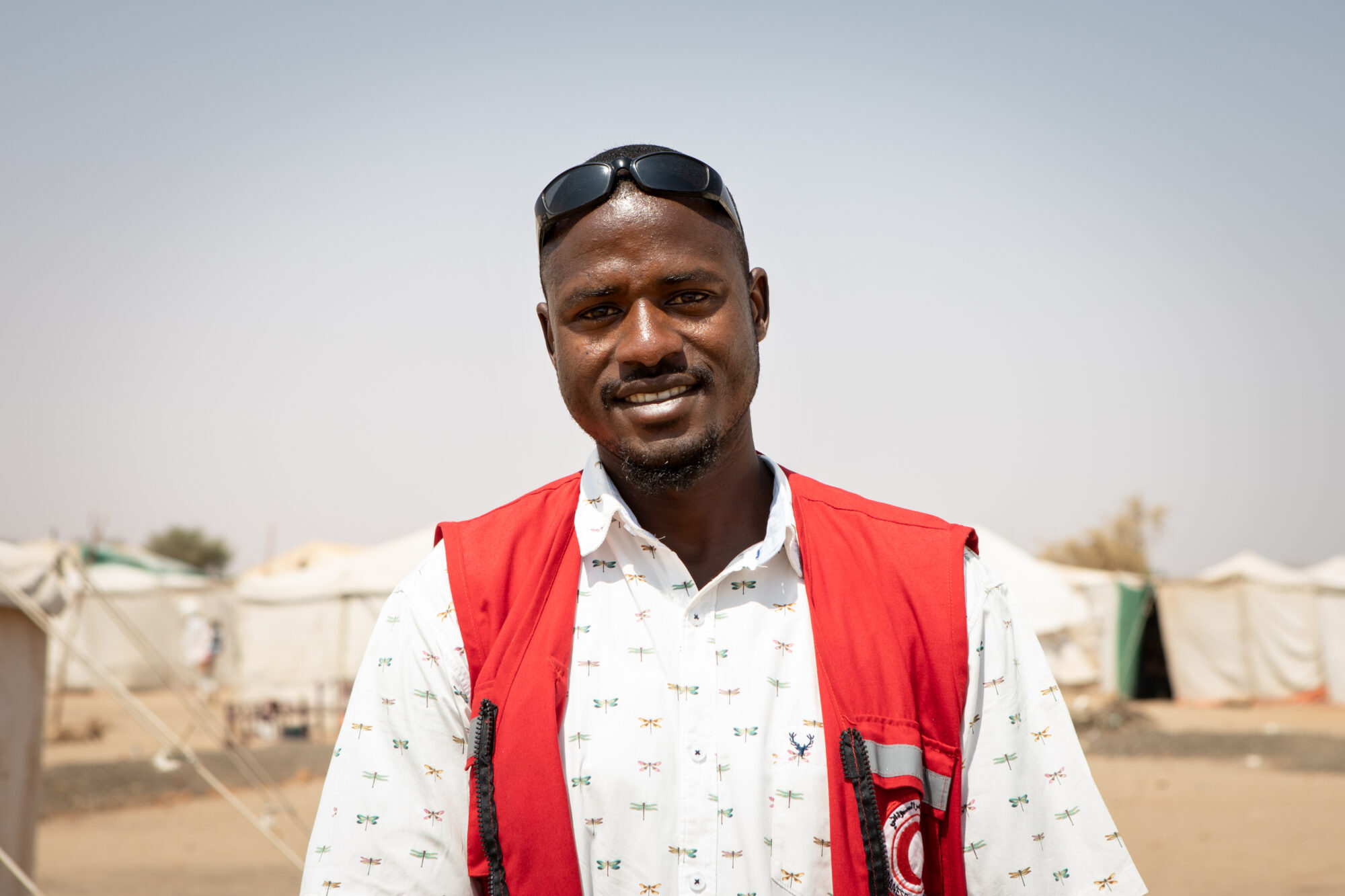
Responding across the country is the Sudanese Red Crescent Society, the country’s largest humanitarian organisation. Established in 1956 and a member of the International Federation of Red Cross and Red Crescent Societies (IFRC) since 1957, it reaches communities through five regional hubs, 18 state branches and around 1,700 local units, with more than 385,000 volunteers. The conflict has hit the Sudanese Red Crescent Society itself: volunteers and staff have lost their lives while on duty, its Khartoum headquarters was out of reach for more than three years, and its warehouses were looted. The Sudanese Red Crescent Society nonetheless kept delivering relief to people affected by the conflict, and is now moving back to Khartoum, rebuilding its systems while helping communities build resilience for what comes next.
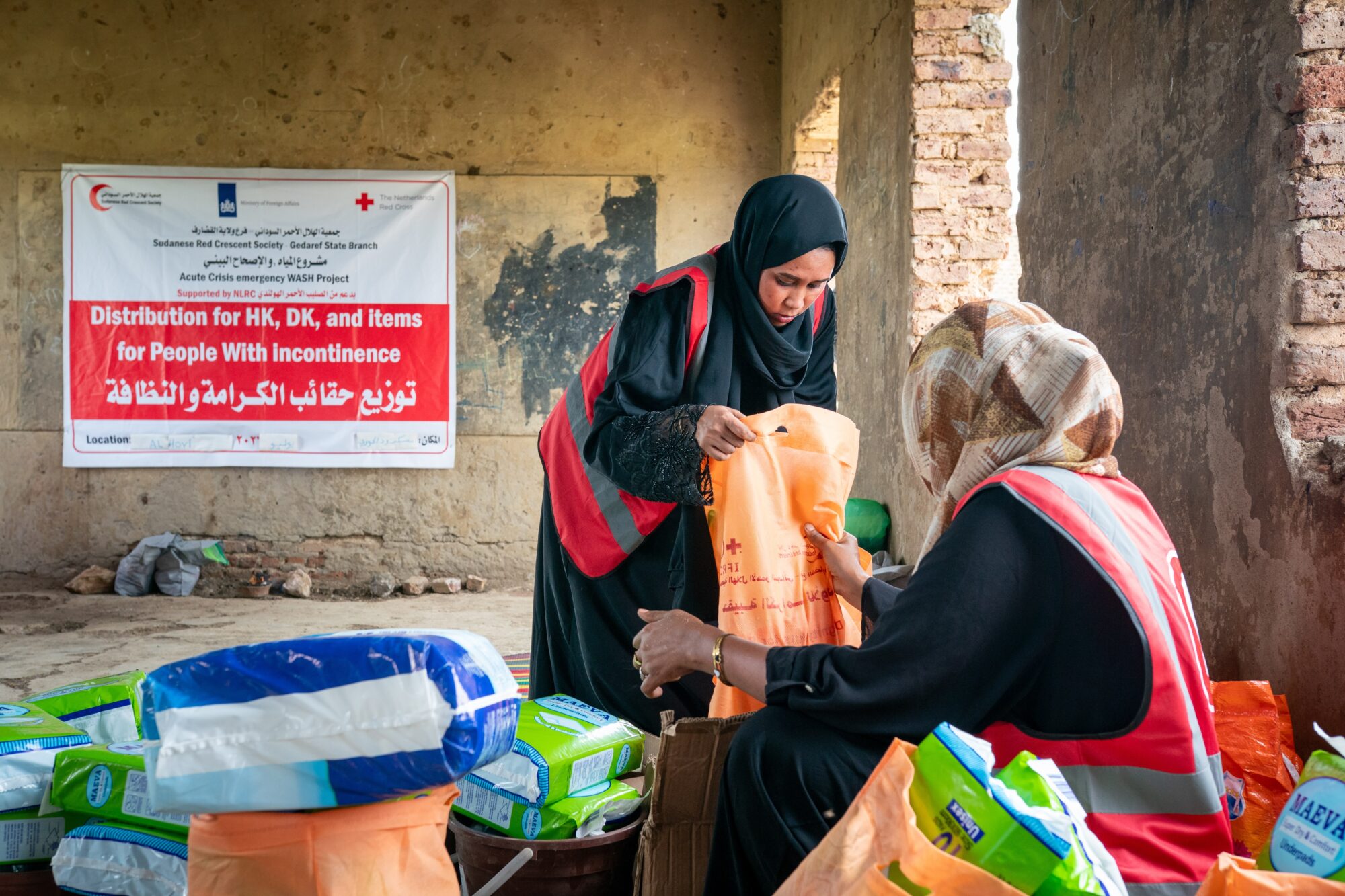
The Netherlands Red Cross supports the Sudanese Red Crescent Society across different areas, from emergency water services to rebuilding the National Society itself.
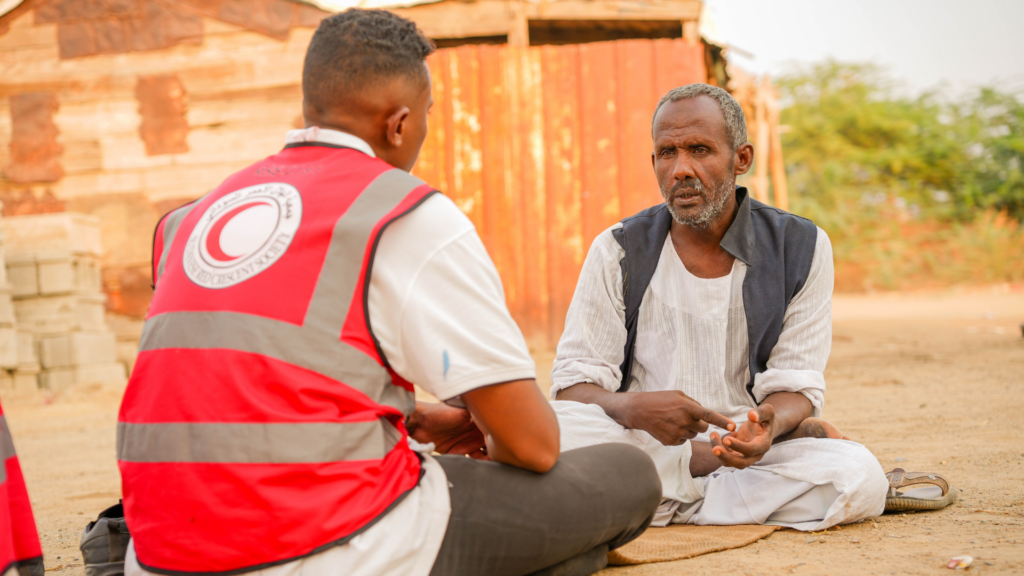
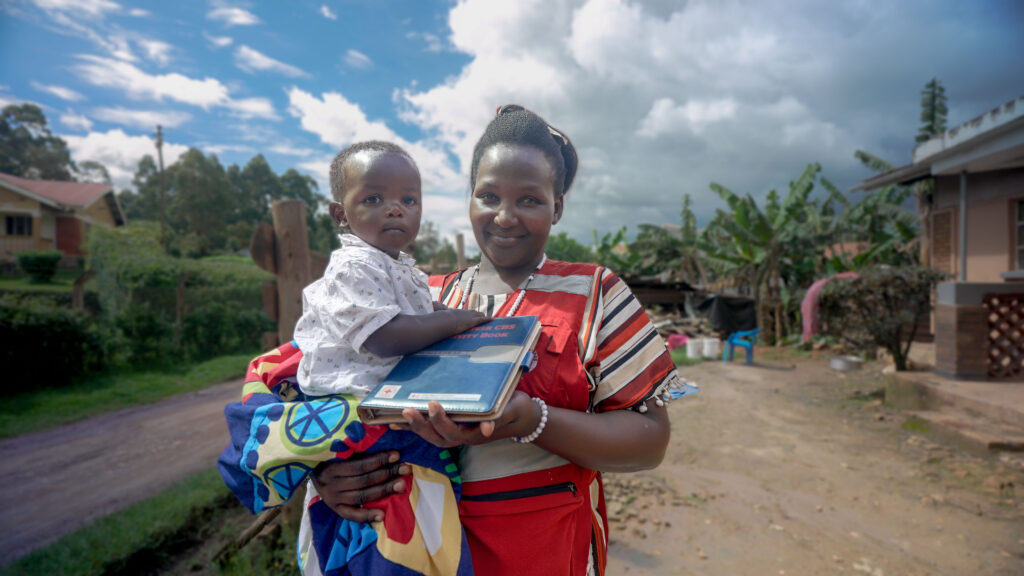
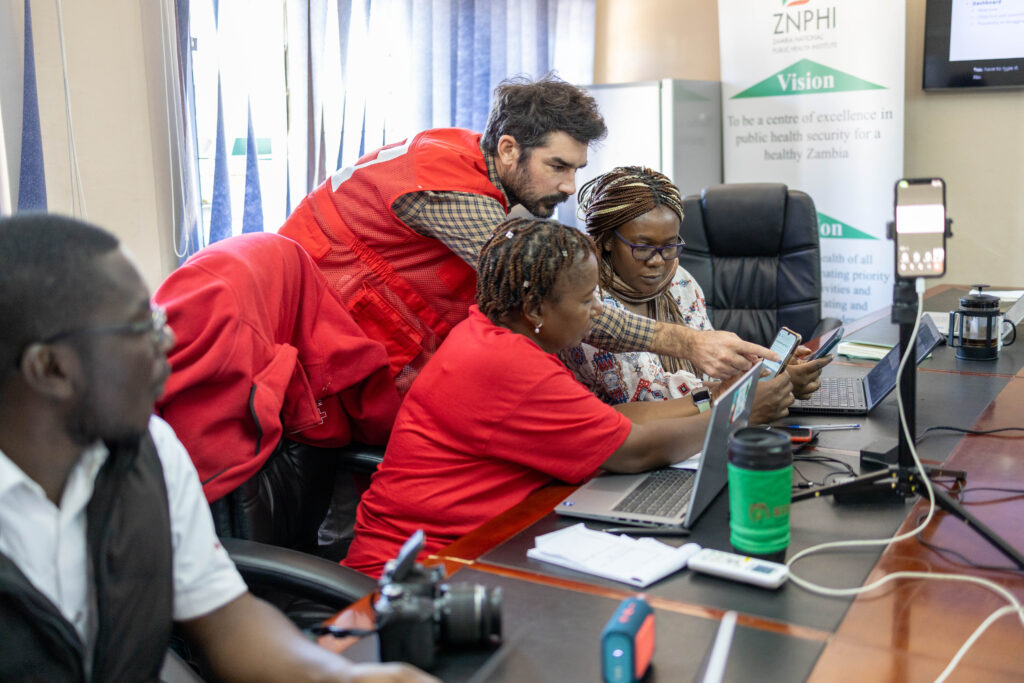
After years away from its Khartoum headquarters, the Sudanese Red Crescent Society is rebuilding how information flows between branches and headquarters, and how communities are heard. The Netherlands Red Cross funds key information management positions, supports community feedback in pilot branches, and helps move cash assistance data and finance systems onto stronger digital tools.
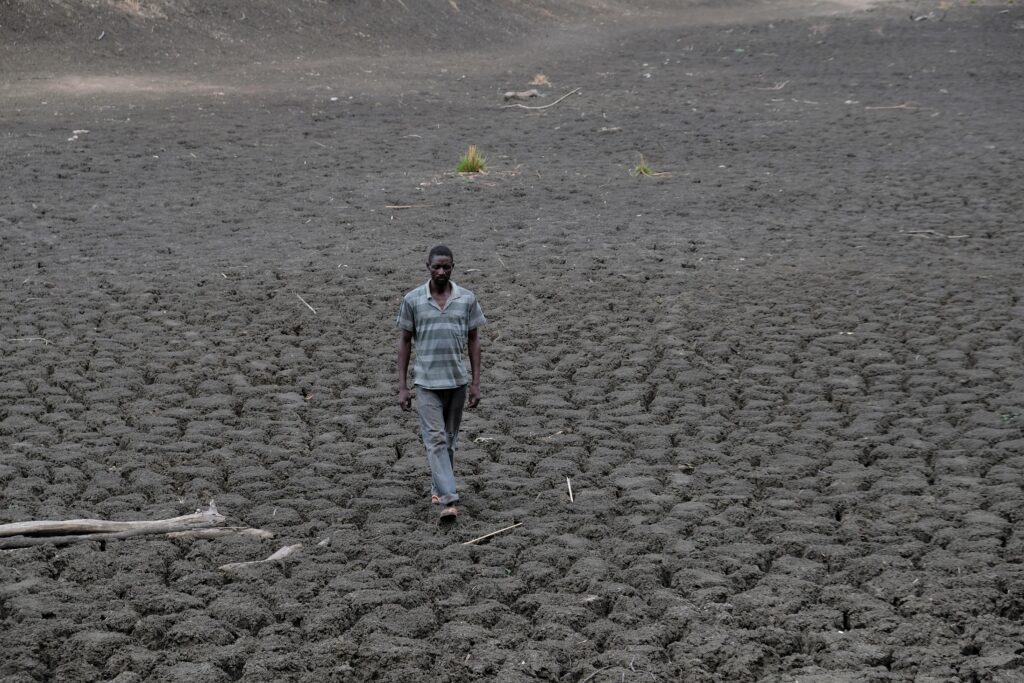
In River Nile and Northern State, the Sudanese Red Crescent Society is working with communities on early warnings that arrive in time and water systems that cope with flood and drought. The Netherlands Red Cross supports the Water at the Heart of Climate Action programme, bringing water expertise and early warning data support.
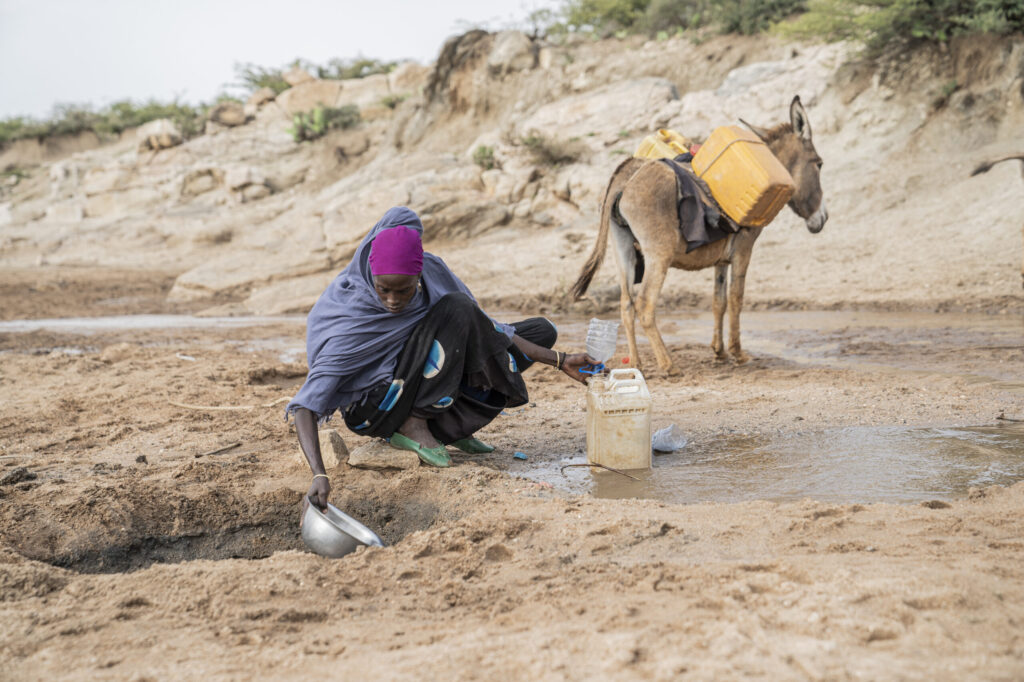
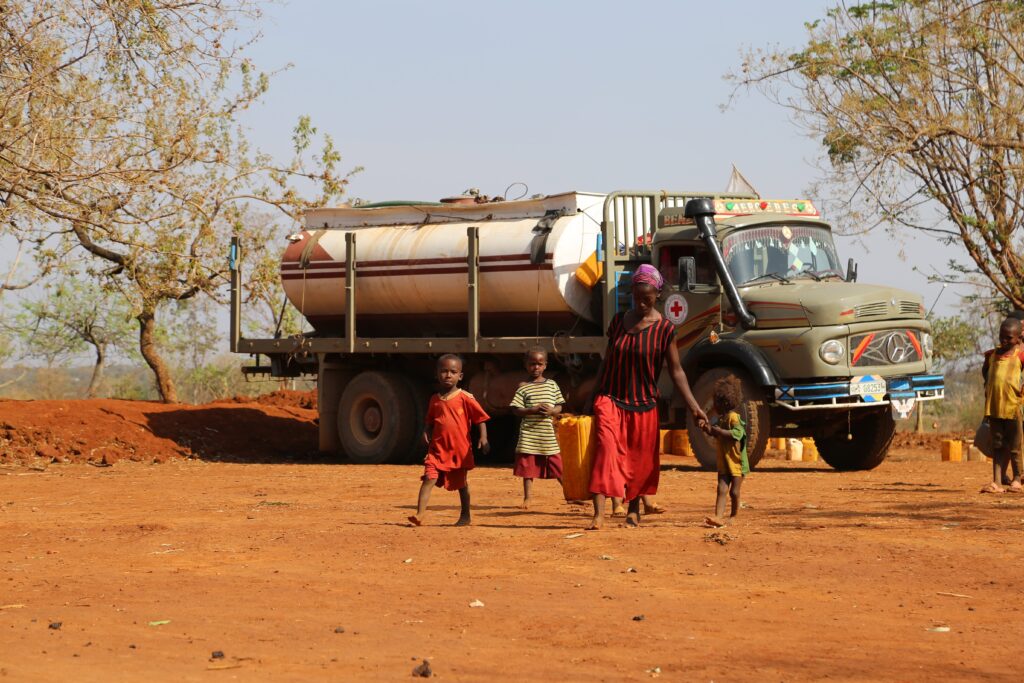
In Kassala and Gedaref, where families displaced by the conflict are living in sites for displaced people, the Sudanese Red Crescent Society provides safe water, sanitation and hygiene (WASH) services and works to prevent water-borne disease. The Netherlands Red Cross funds the response and supports a countrywide plan for emergency water and sanitation, so future responses start from a plan.
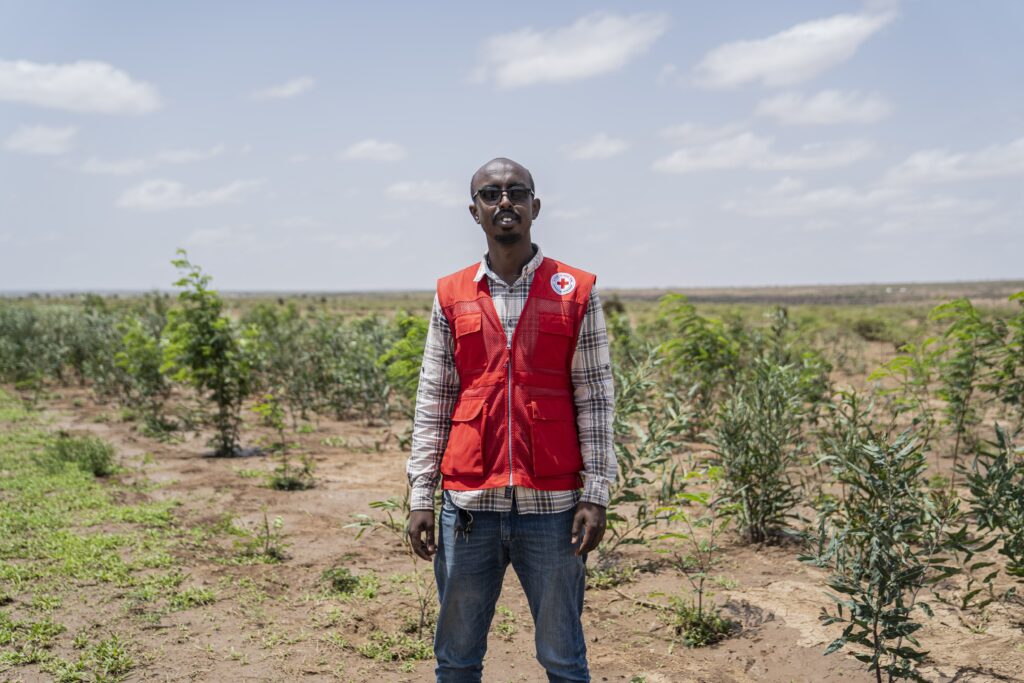
Conflict and climate change have undermined food security across Sudan. Through a multi-year project funded by the European Union, the Sudanese Red Crescent Society helps vulnerable families and smallholders improve their food security, with solar-powered water pumps, repaired boreholes and a subsurface dam that helps recharge groundwater. The Netherlands Red Cross leads the consortium behind the project.
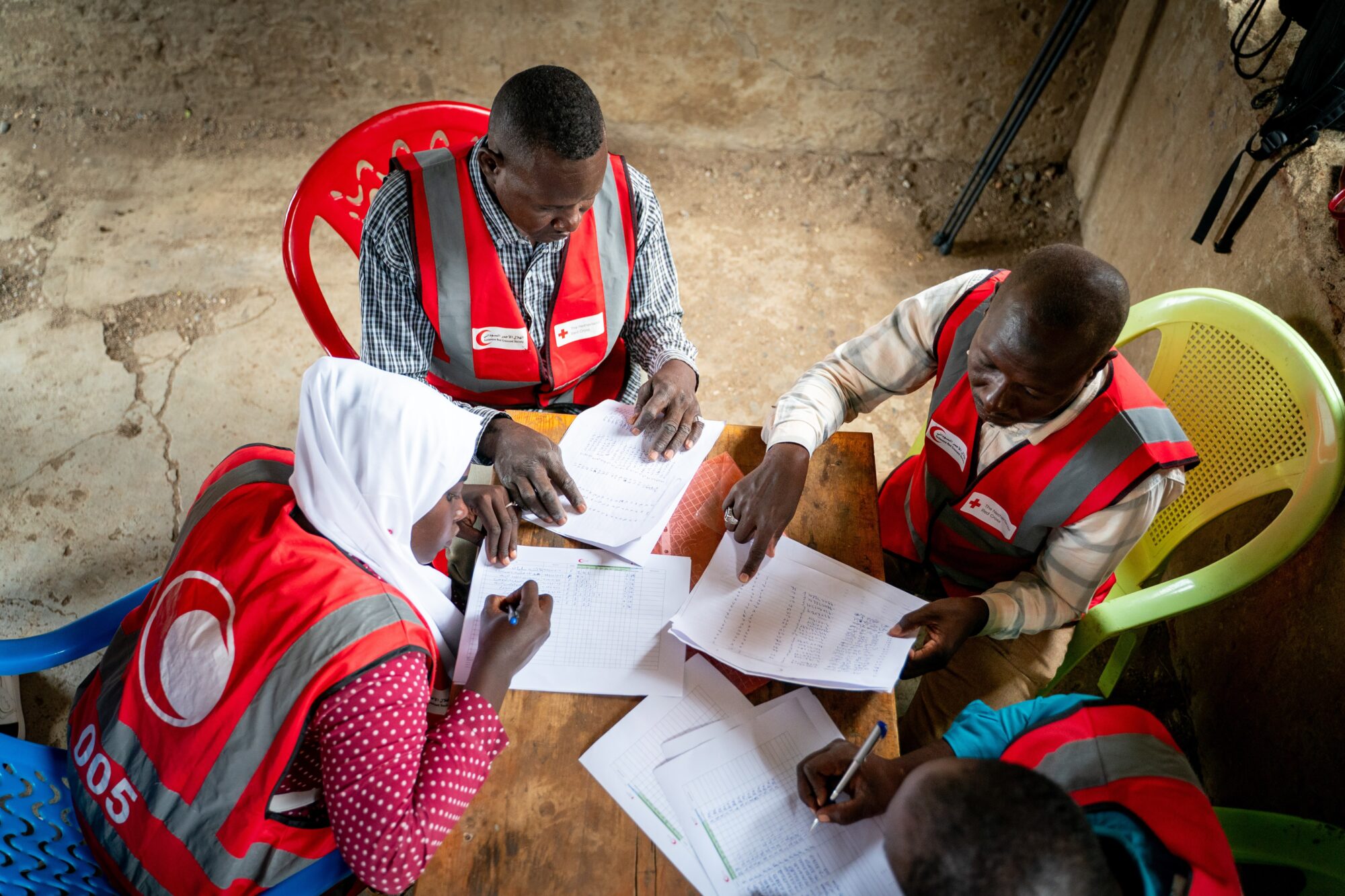
The Sudanese Red Crescent Society sets its own priorities. The Netherlands Red Cross plays a supporting role, working from the belief that the National Society understands its communities and the shape of the crisis better than any outside partner.
In practice, this means helping the Sudanese Red Crescent Society rebuild the systems that let it run its own response, funding water services where displaced families need them, and bringing water and early warning expertise to its work on floods and drought. Support follows the Sudanese Red Crescent Society’s own plans, its complex crisis masterplan and its National Society development plan for 2025-2030, and the Netherlands Red Cross co-leads the Red Cross Red Crescent Movement working groups on information management and water, alongside the other partners supporting the Sudanese Red Crescent Society.
The Netherlands Red Cross and the Sudanese Red Crescent Society have worked together since 1986, and the partnership has continued through the conflict. As the Sudanese Red Crescent Society rebuilds and returns to Khartoum, the aim, shared with its Red Cross Red Crescent Movement partners, is a stronger National Society that takes the lead in its own response.