


Every Minute Counts: Going Digital for Faster Emergency Care in Costa Rica
08 September 2026
When a crisis unfolds, the difference between an effective response and a chaotic one often comes down to something invisible: whether the organization managing the response can actually access, share and use its own data. For many National Societies, the challenge is not a lack of willingness to go digital. It is knowing where to start, what to prioritize, and how to make change stick in an environment where resources are limited and urgency is constant.
The Netherlands Red Cross works with National Societies to navigate that journey. The starting point is always an honest assessment of where a National Society stands: how digital tools and data practices are currently used, where the biggest gaps are, and what is realistically achievable. From there, a digital transformation action plan is co-developed, sequencing next steps across governance, processes and technology in a way that builds on existing strengths rather than replacing them.
Support is grounded in the data and digital components of the Preparedness for Effective Response framework, ensuring that digital readiness connects directly to operational preparedness rather than existing as a separate track. Where a National Society identifies specific data systems to build as part of this process, that work is supported through the data management systems service.
Support has been provided across response preparedness, protracted crisis, localisation and climate resilience contexts, in countries including Costa Rica, Ukraine, Zambia, Mali, Lebanon and beyond.
Support follows a structured journey tailored to each National Society’s digital maturity and operational context. It can include:
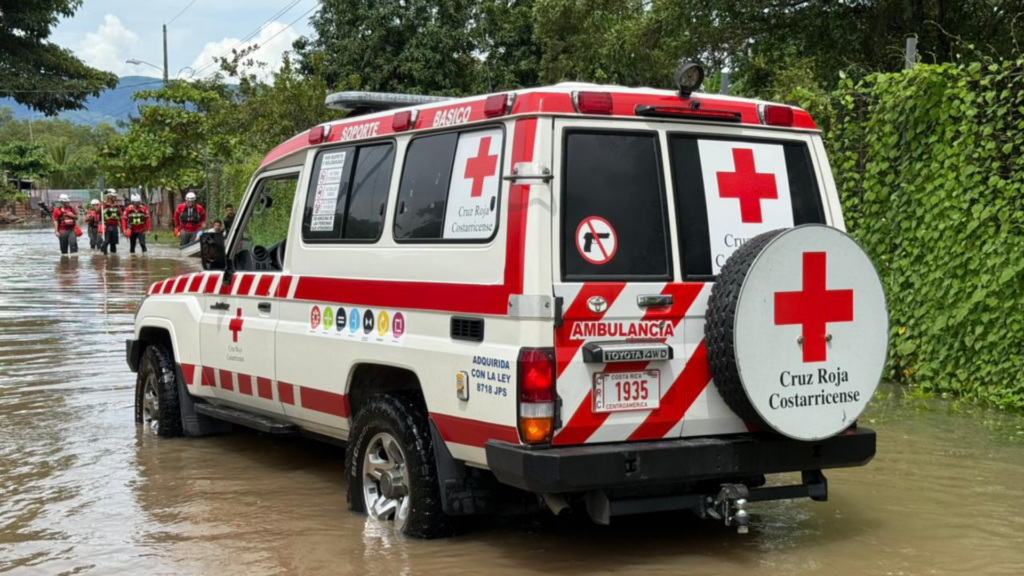
In Costa Rica, the Costa Rican Red Cross worked with The Netherlands Red Cross and the IFRC to transform how it manages ambulance data across the country, moving from paper-based processes to a centralised digital system.