

IFRC Emergency Response Framework
03 September 2026
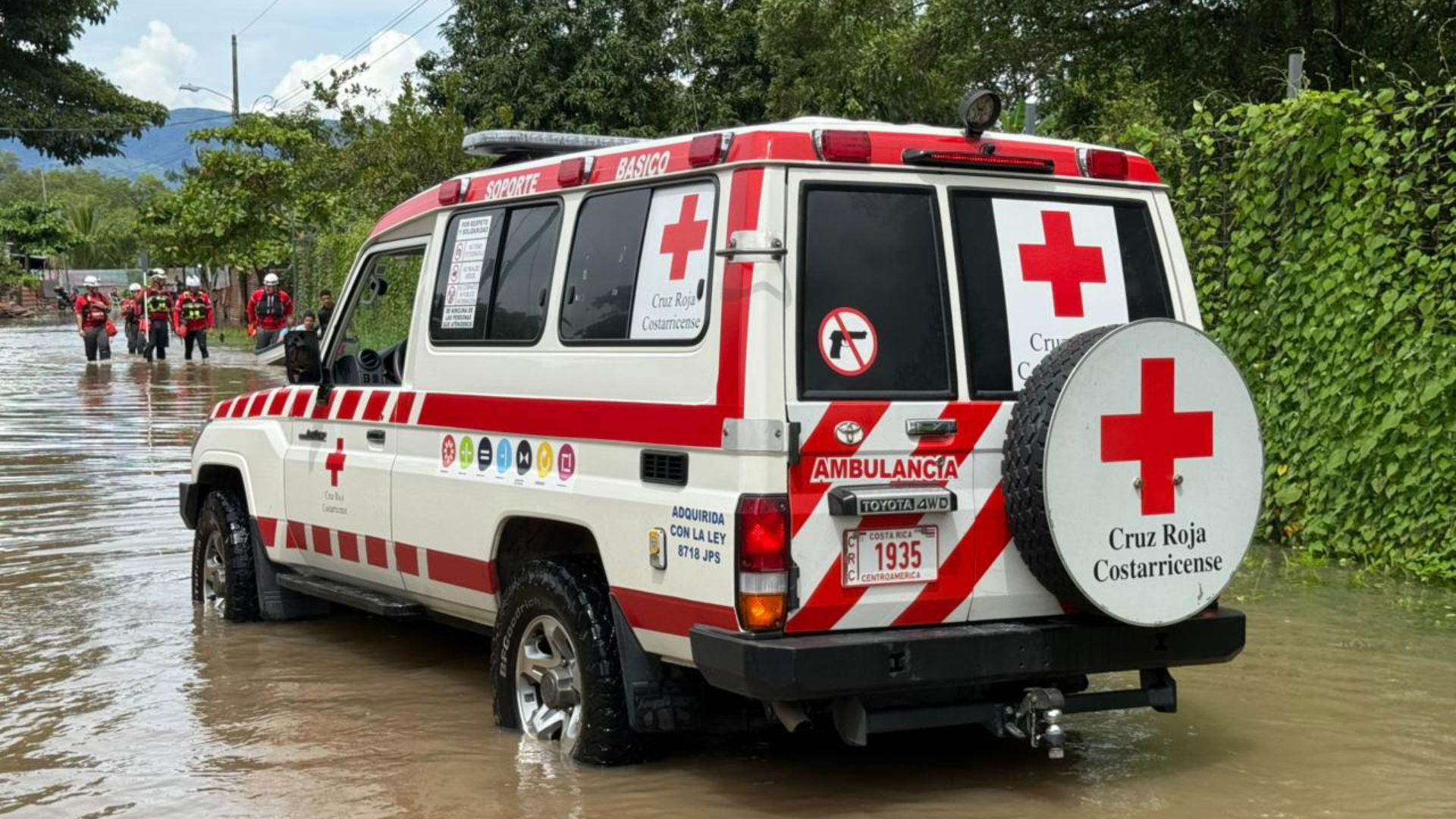
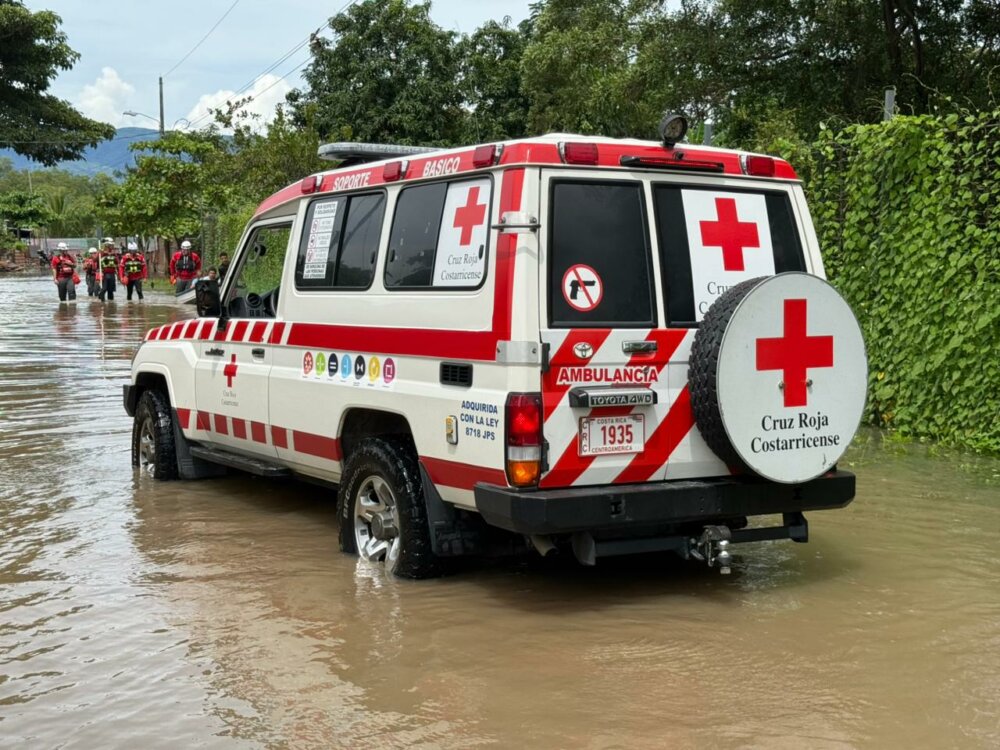
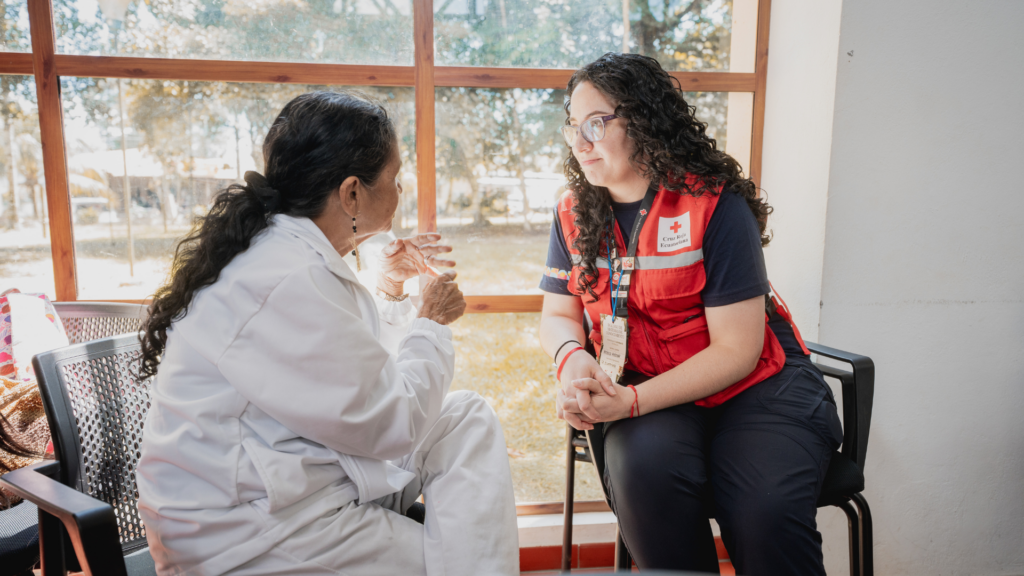
Every minute in Costa Rica, someone calls for help. As the country’s main ambulance service provider, the Costa Rican Red Cross responds to over half a million emergencies every year. From road accidents to mountain rescues and sudden illness, they are always on the move. But until recently, the data behind these lifesaving operations was stuck in the slow lane. Paramedics would fill out paper incident forms after a response and, later type them into local computers. In a high-pressure environment, this made it hard to learn from what was happening on the ground. That has now changed.
The Costa Rican Red Cross worked with the International Federation of Red Cross and Red Crescent Societies (IFRC) and the Netherlands Red Cross to boost its ambulance and hospital care services with data and digital tools and capacities. What started as an ambition to improve data use, has since become a functioning data management system that is changing daily emergency work.
Together, the Costa Rican Red Cross and the Netherlands Red Cross designed a system that fits existing workflows, is easy to use, and can be maintained locally. The new data management system has enabled local branches to input paper forms, making data centrally available across the National Society. A digitalised version of these paper forms is available on ambulance tablets, further accelerating the process. A centralised system means faster insights into response times, patient needs, and resource allocation. It also means less time spent on manual entry, and more time for patient care.
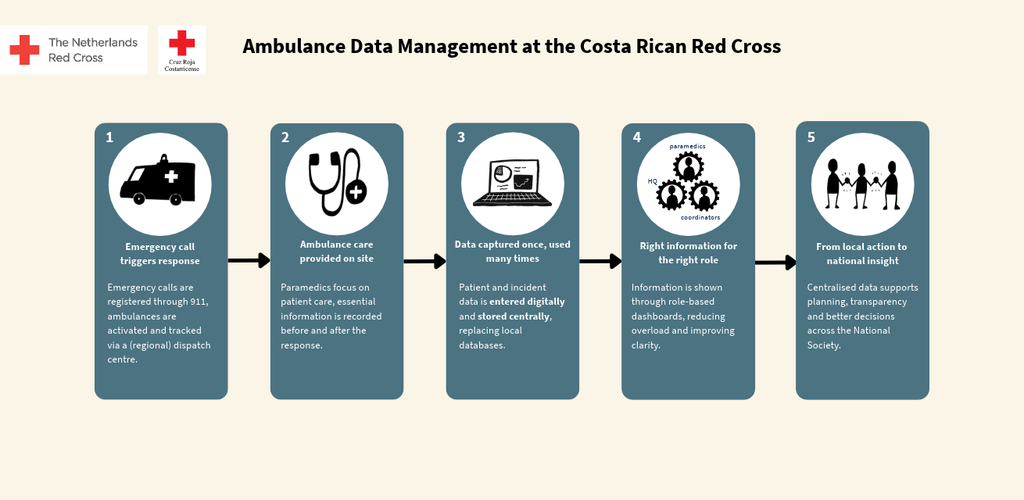
Costa Rican Red Cross staff report a clear increase in data transparency through accountable data entries and incident reporting.
Data quality has improved as well. Real-time data enable detailed, timely operational planning. Instead of working with incomplete or outdated information, staff can base decisions on what is happening on the ground. The system is also able to tailor dashboards to different roles, displaying information based on what each role actually needs. This reduces confusion and information overload for paramedics, coordinators and administrators alike.
The system has fundamentally changed how people feel about working with data. Staff are more confident in exporting data, generating statistics and managing reports, and even independently organise trainings for others.

Looking ahead, centralising ambulance data will continue shaping how the Costa Rican Red Cross operates. As more branches are onboarded, a comprehensive, countrywide picture of ambulance activity is gained, enabling better planning. The system’s flexibility is also opening new possibilities. Alignment with Costa Rican health data standards is being explored, with the long-term aim of integrating with national health systems. If realised, this would extend the system’s impact across the country’s wider health sector.
For National Societies wondering whether they are ready for digital systems like this, the Costa Rican Red Cross offers an encouraging example. You don’t need to be a tech powerhouse: by starting small, focusing on real operational needs, and investing in people as much as technology, meaningful change is possible. When emergencies happen, there’s no time to wait for information. With the right data in the right place, you can move faster, decide better, and deliver more effective emergency care when every minute counts.
This initiative was funded by the Ministry of Foreign Affairs of the Netherlands, based on the foundations of an earlier initiative funded by Microsoft.