

Interdisciplinary perspectives on multi-risk anticipatory action
31 August 2026
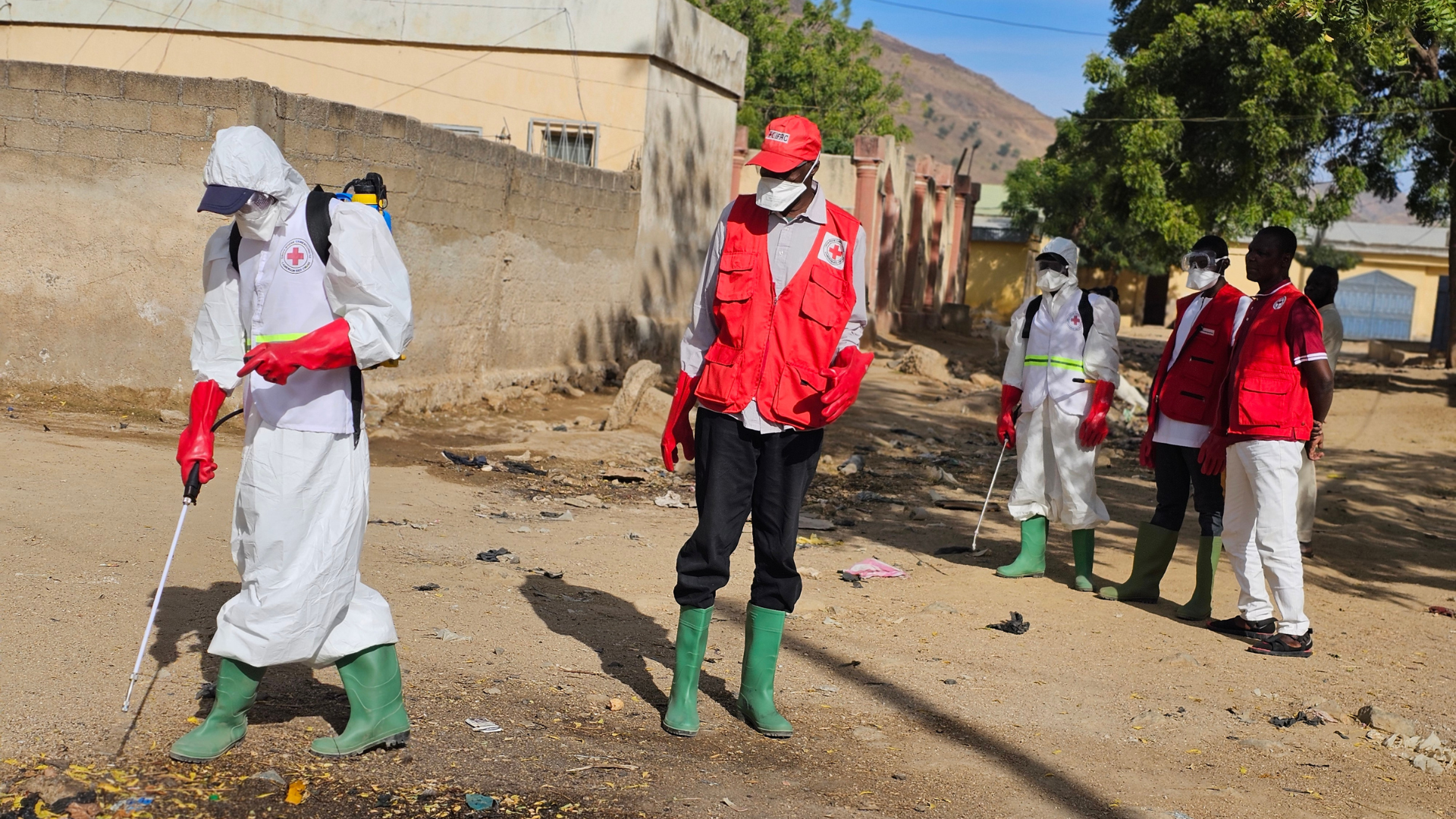
What if anticipatory action could help us mitigate the impact of not only meteorological, but also biological hazards?
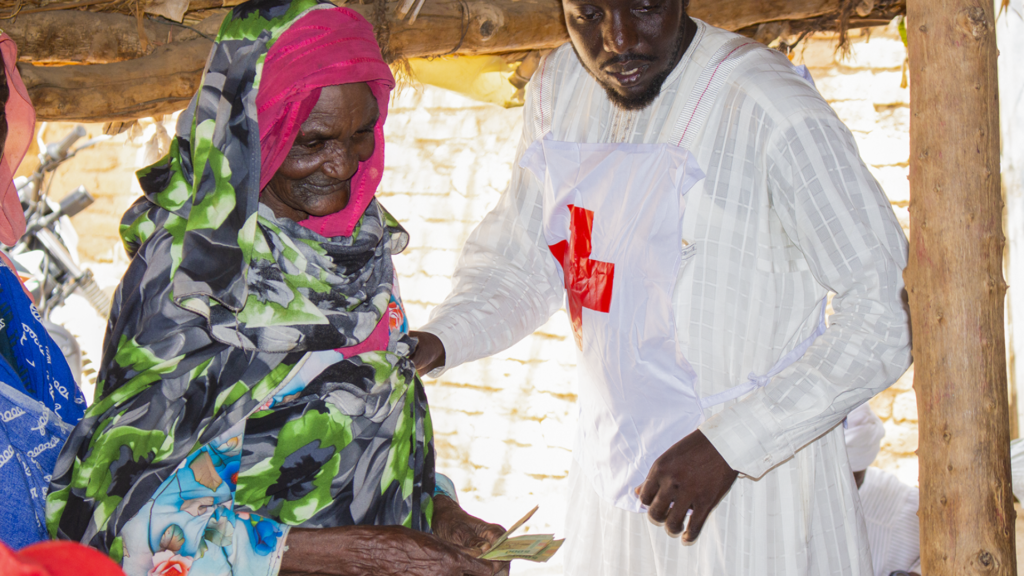
National Red Cross and Red Crescent Societies reduce health threats by improving access to healthcare and increasing community awareness of health risks. In this context, trigger mechanisms are emerging as a new ingredient to mitigate health crises before they escalate. Funded by the French Development Agency (AFD), the Cameroon Red Cross Society, the French Red Cross, health specialists from the University of Rennes (EHESP), and technical experts from the Netherlands Red Cross came together to tap into forecast-based financing strategies for managing epidemics in Cameroon. Together partners developed an Early Action Protocol (EAP) for cholera preparedness – the first-ever epidemic EAP validated by the International Federation of Red Cross and Red Crescent Societies (IFRC)!
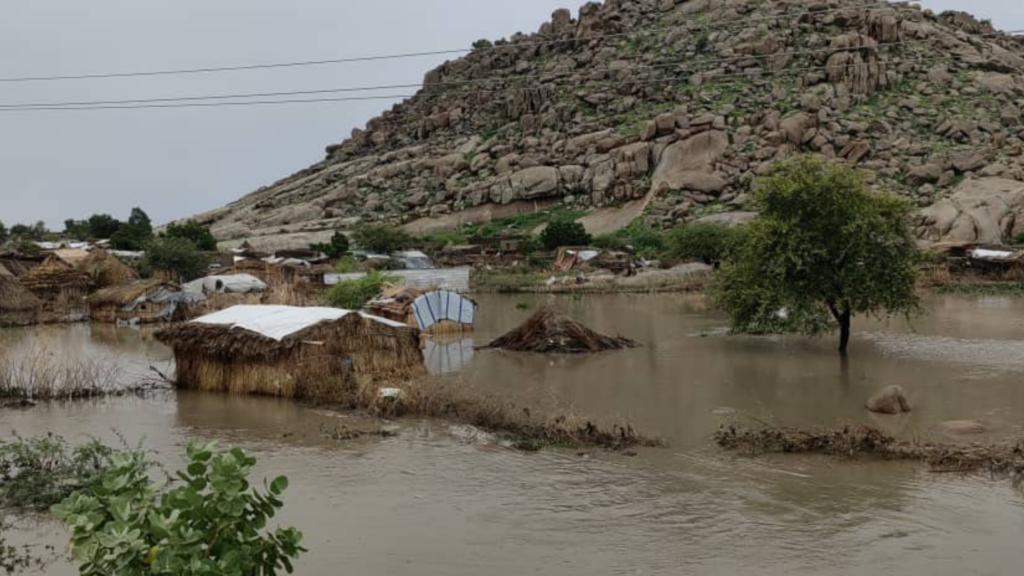
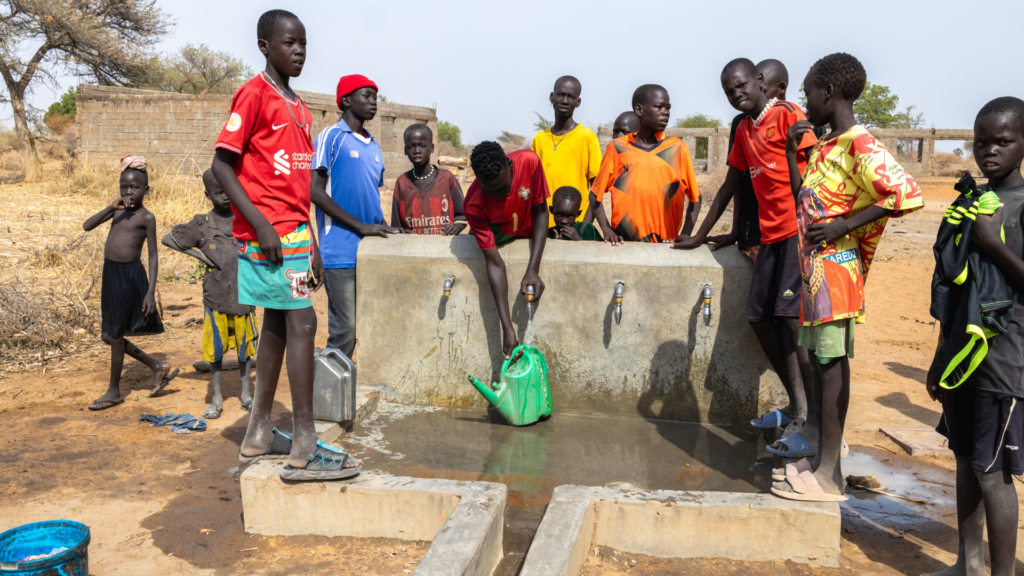
Climate change, through increasingly frequent and severe weather events, influences the spread of cholera, worsening existing vulnerabilities and creating new public health challenges. A health-centred EAP equips humanitarians with the tools needed to anticipate disease outbreaks effectively. In Cameroon, it uses data on previous weather events to propose early actions, carried out by the Cameroon Red Cross Society, that prevent local cholera outbreaks from occurring: from distributing water purification tablets to disinfecting WASH infrastructure and sensitizing communities.
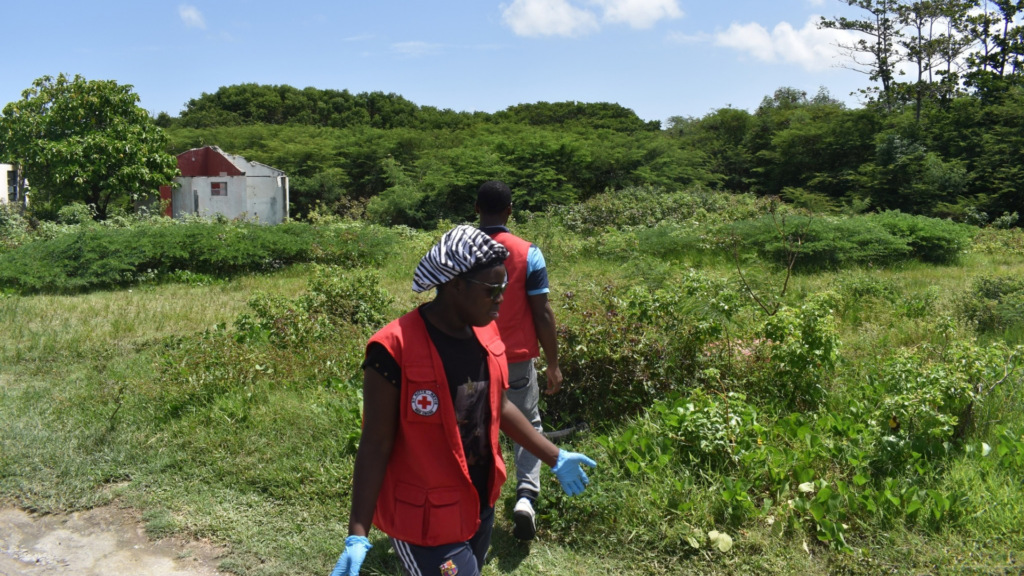
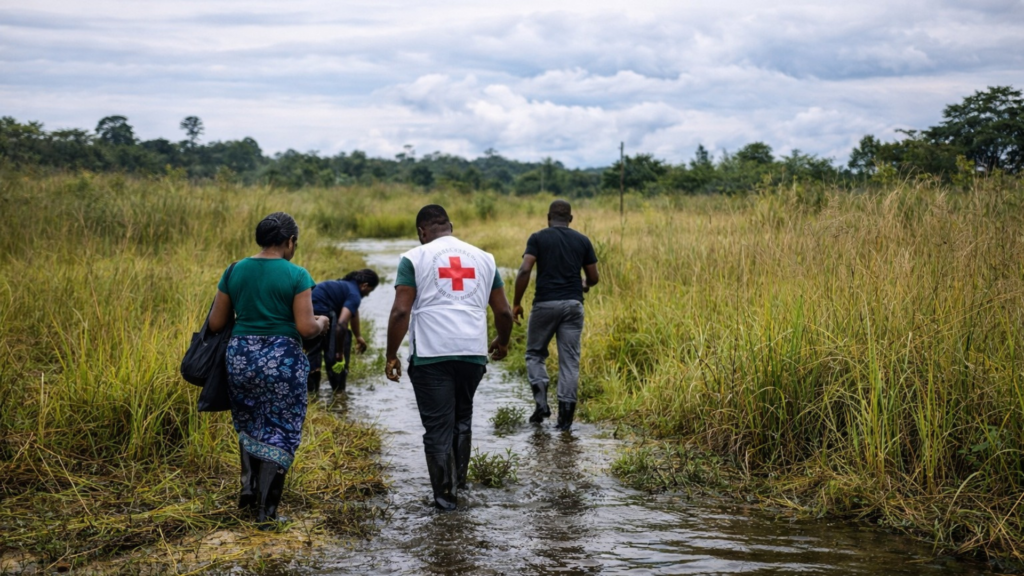
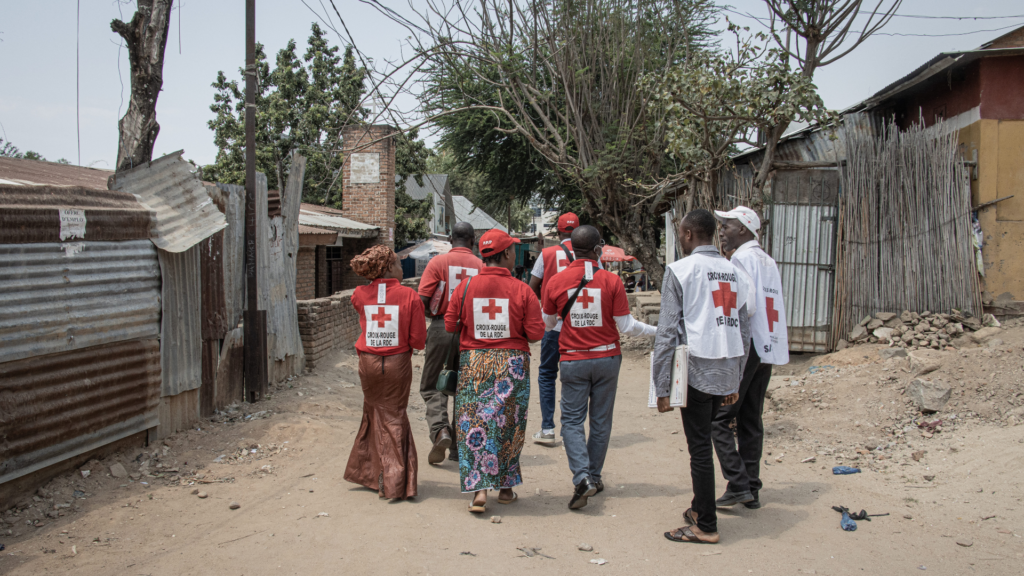
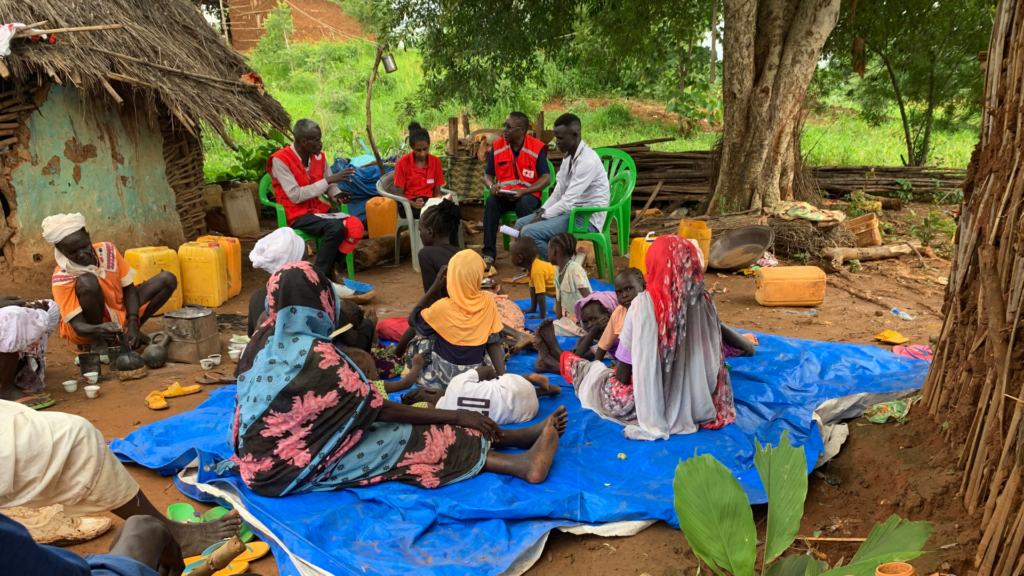
The EAP integrates climate risk data and community-based surveillance into a trigger mechanism, enabling timely health interventions when predefined triggers, such as increased rainfall or community-reported cholera cases, are met. Community findings are sourced by Cameroon Red Cross Society volunteers logging disease symptoms from their local community into a low-tech data management system, which in turn collects this input and assists the National Society in monitoring trigger levels. Sending automatic alerts, this system allows the Cameroon Red Cross Society to monitor epidemics as well as climate and community case triggers in real-time and manage their intervention.
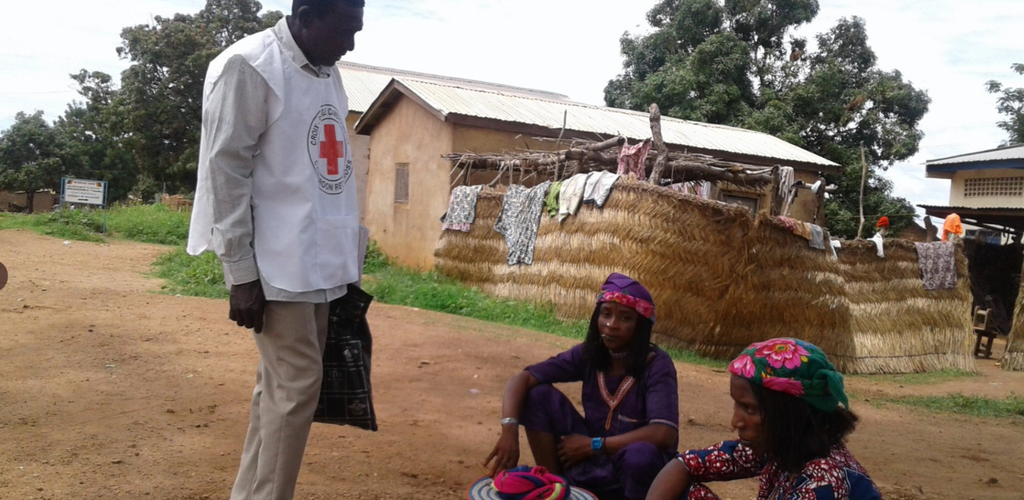
Approved by IFRC for implementation by the Cameroon Red Cross Society, this EAP marks a historic milestone as the first-ever validated EAP for epidemics globally. Its local implementation, driven by data, continues to ensure that the protocol is contextually relevant and actionable.
Anticipatory action can transform epidemic preparedness and health risk prevention – and Cameroon’s cholera EAP sets a precedent for scaling forecast-based action across other regions and illnesses. By integrating weather forecasts with historical data and community insights, combined in a simple digital tool, the EAP demonstrates that epidemic preparedness is a useful building block of resilient health systems, ensuring that the next epidemic is met with anticipation rather than reaction.