


121 Platform Product Page
14 September 2026
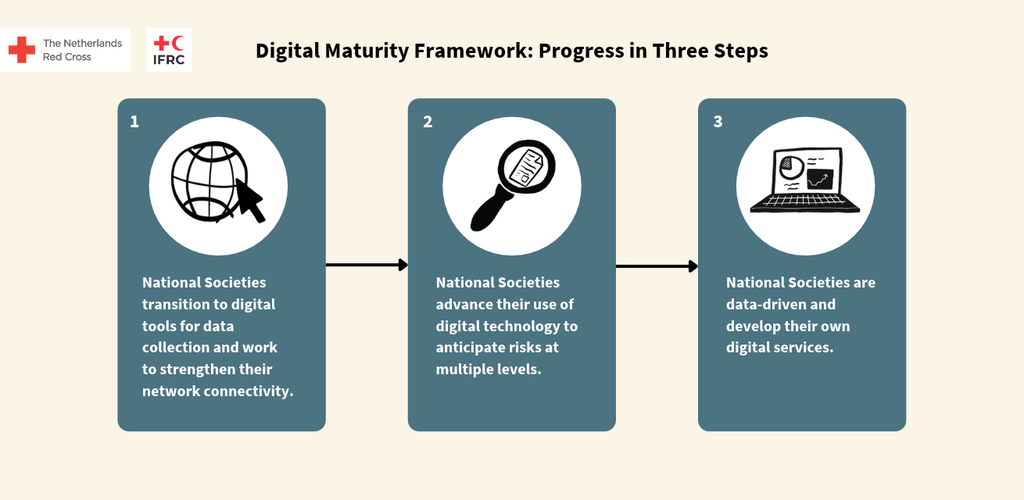
People around the globe make use of digital services every day, and humanitarian organizations are no exception. To strengthen the speed, quality, accessibility and sustainability of humanitarian services, the International Federation of Red Cross and Red Crescent Societies (IFRC) adopted a strategy boosting the digital transformation of the Red Cross Red Crescent Movement. The strategy follows a digital maturity approach across three levels, ranging from paper-based to largely digital, future-proof operations:
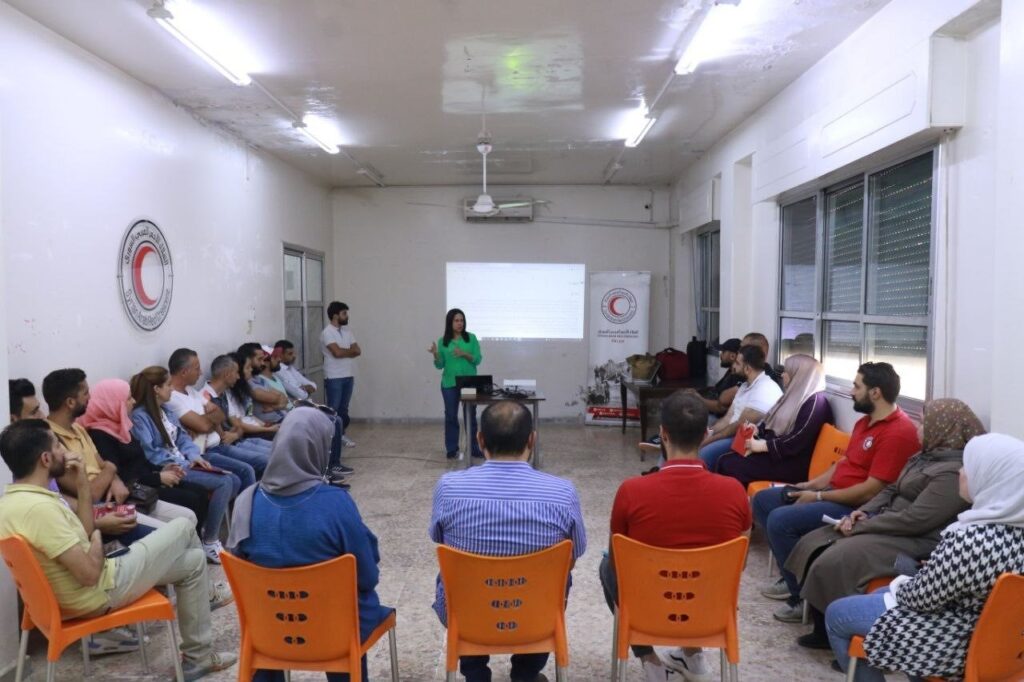
The Netherlands Red Cross supports the IFRC in the implementation of this strategy by guiding National Societies in mapping their current digital maturity, where they want to go, and how to get there. A digital maturity assessment and subsequent workshops are tailored to each National Society’s needs and cultural context to ensure local ownership, laying the foundation for a sustainable roadmap towards digital transformation. To date, the digital maturity framework has been applied by over 70 National Societies globally. But how does the application of the digital maturity framework look in practice? The assessments with the National Societies in Eswatini and Ireland offer an example.
The Irish Red Cross’ digital maturity assessment helped the National Society set a clear path towards streamlining operations and strengthening collaboration between staff and volunteers. It provided clarity on where the National Society stands in its digital maturity, and strategic direction for improvements.
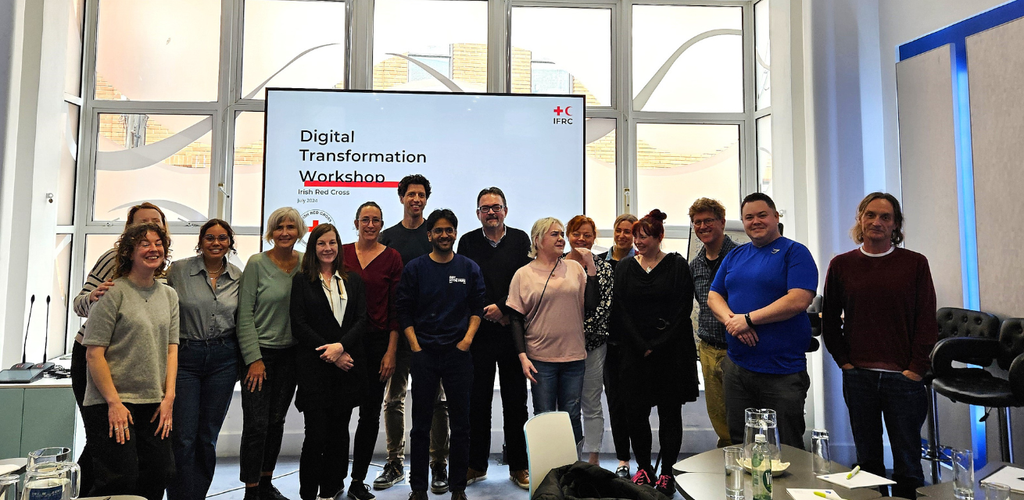
Since then, the Irish Red Cross has embedded digital elements into several key operations – from implementing dashboards to enhance data-driven decision-making, to expanding the functionalities of its online learning platform. A data and digital literacy training package has been introduced for new staff, while a new cloud-based data management system is improving volunteer management and fundraising. This shift toward data-driven decision-making, efficiency, and collaboration is positioning the Irish Red Cross for a more agile future.
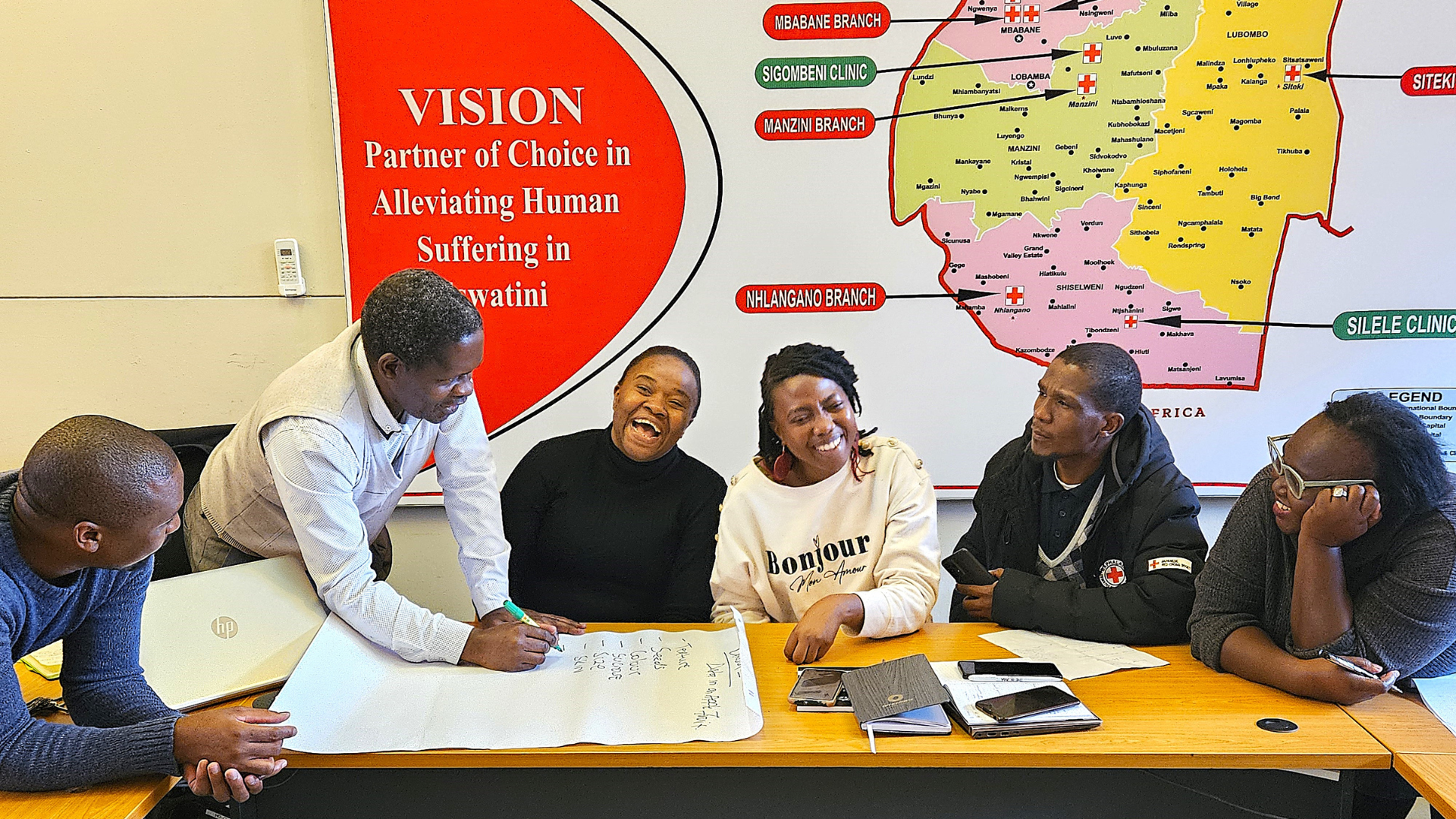
The Baphalali Eswatini Red Cross Society is a trailblazer in delivering emergency cash assistance. Motivated to grow this unique strength further, the National Society undertook the digital maturity assessment. This assessment was funded by the Programmatic Partnership between the European Union (EU) and IFRC.
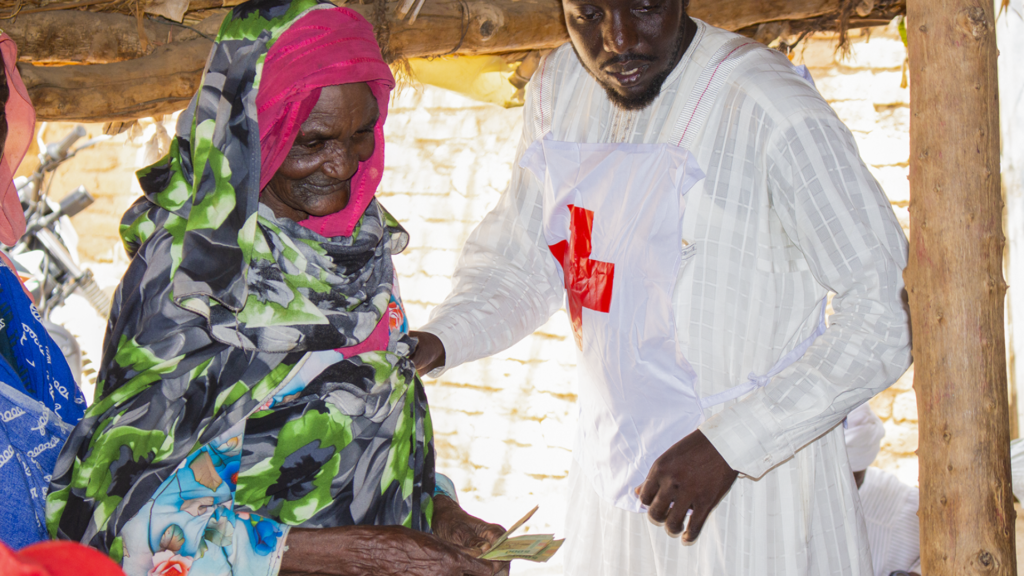
Traditionally, the Baphalali Eswatini Red Cross Society managed its cash programmes using paper-based and semi-digital methods, often resulting in operational delays, manual errors, and compromised transparency. Identifying these blockers to effective cash assistance, the digital maturity assessment recommended the integration of a data-powered system, after which the National Society explored solutions and decided to pilot the 121 Platform. A user-friendly tool to centralise the cash assistance process, 121 became a game-changer in the National Society’s operations. Providing data in real-time, the new system eliminates concerns over potential incorrect payments due to errors. Offline validation allows data collection in remote areas. A direct result of the digital maturity assessment, the gradual digitalisation of cash assistance in Eswatini has highlighted the value of aligning digital tools with operational processes.
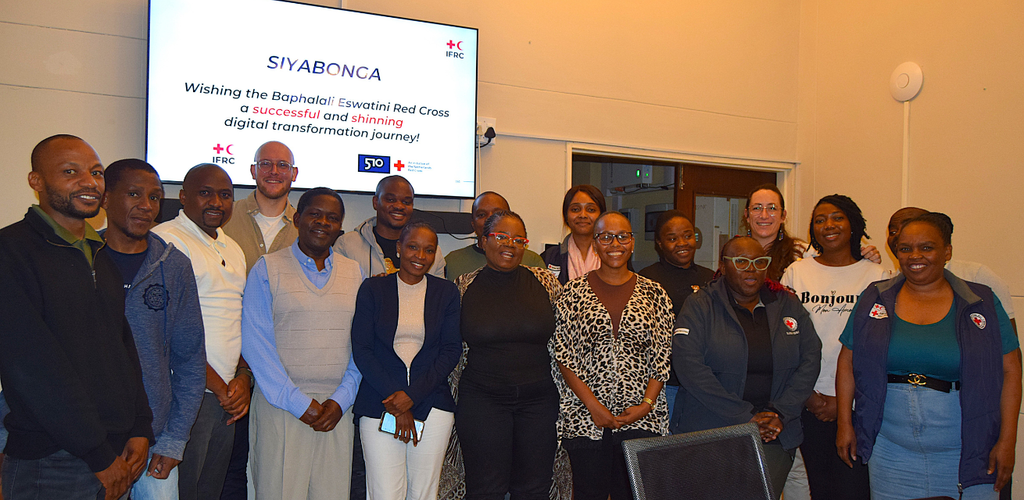
While the Irish Red Cross and Baphalali Eswatini Red Cross Society operate in vastly different environments, their journeys share a common thread: digital transformation is not a destination but an ongoing process. It requires tailored approaches that account for cultural, economic, and infrastructural realities. Both National Societies have demonstrated their commitment to digital transformation through commitment, cultural change, and continuous learning. As they continue their journeys, their experiences serve as valuable lessons for other National Societies embarking on their own path toward digital maturity.