

When Every Drop Counts: Water Point Mapping in Ethiopia
14 September 2026
When a crisis hits, the organisations best placed to help are often the ones that can answer a simple question fast: who needs what, where, and how much? Without reliable data systems, that question takes too long to answer. Information gets lost in spreadsheets, coordination slows down, and the people who need support wait longer than necessary.
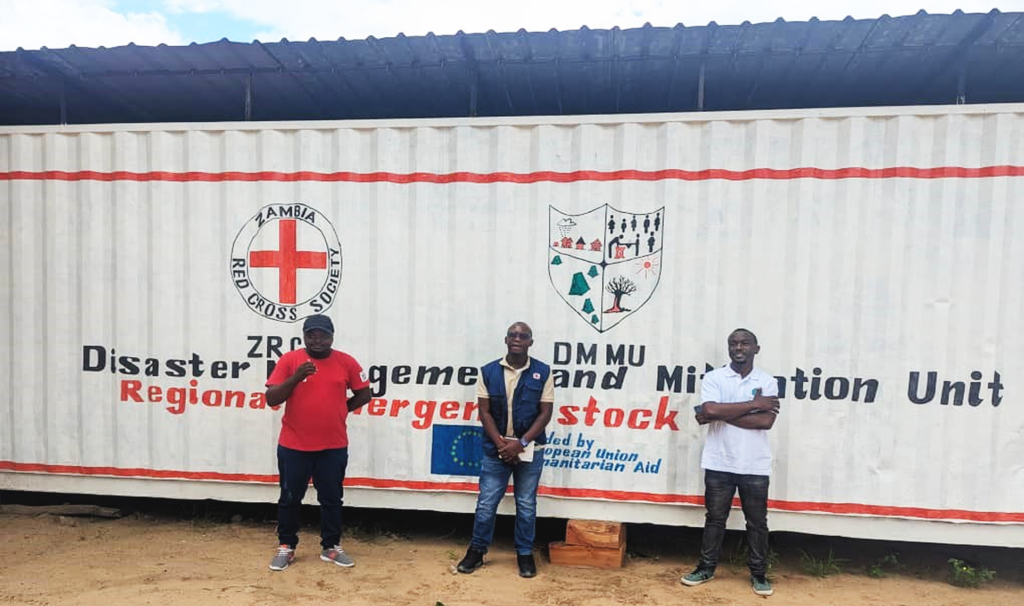
The Netherlands Red Cross works with National Societies to build data systems that solve that problem before it becomes one. The starting point is always a specific operational need: a stock management system for emergency supplies, a case management tool for community health workers, a dashboard that gives programme managers a real-time view of their operation. The goal is always the same, a system that the National Society can run, adapt and own independently once the collaboration ends.
Support follows a structured journey, from co-design through development, piloting and capacity building to full handover, typically completed over 12 months. Where a National Society needs to first assess its broader digital readiness before identifying specific systems to build, that work is supported through digital response readiness.
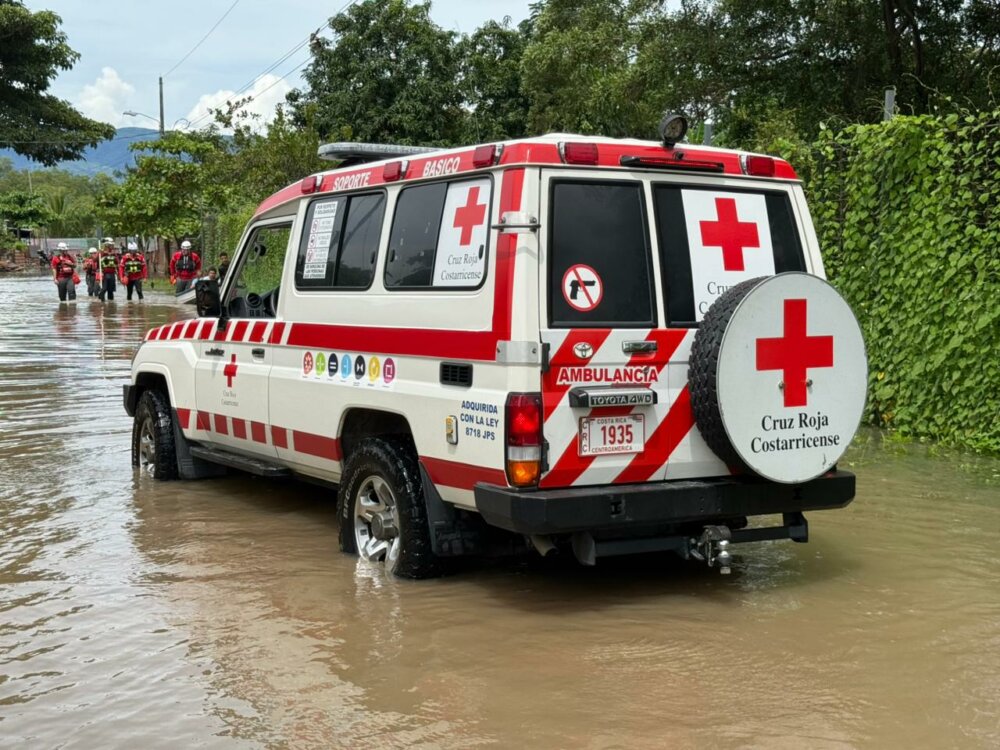
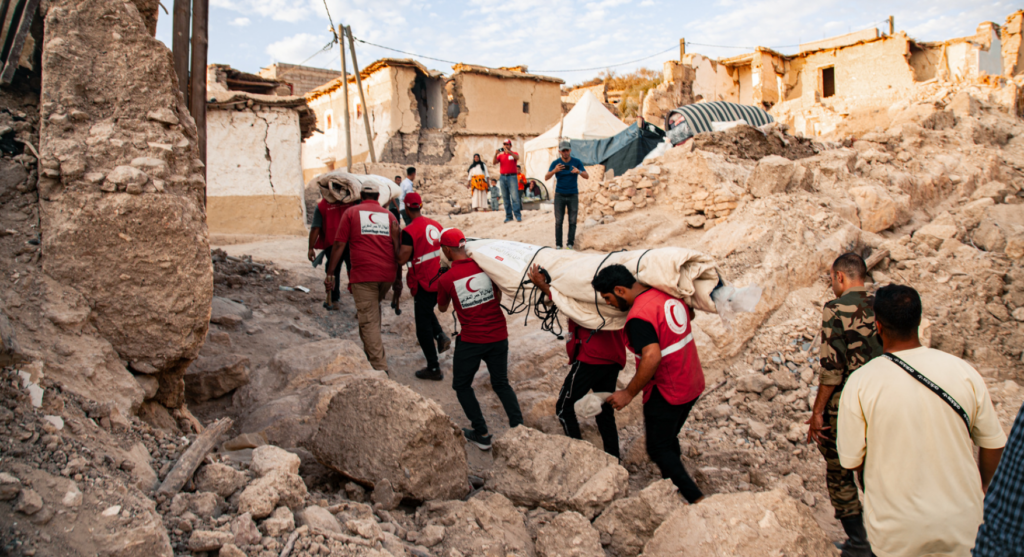
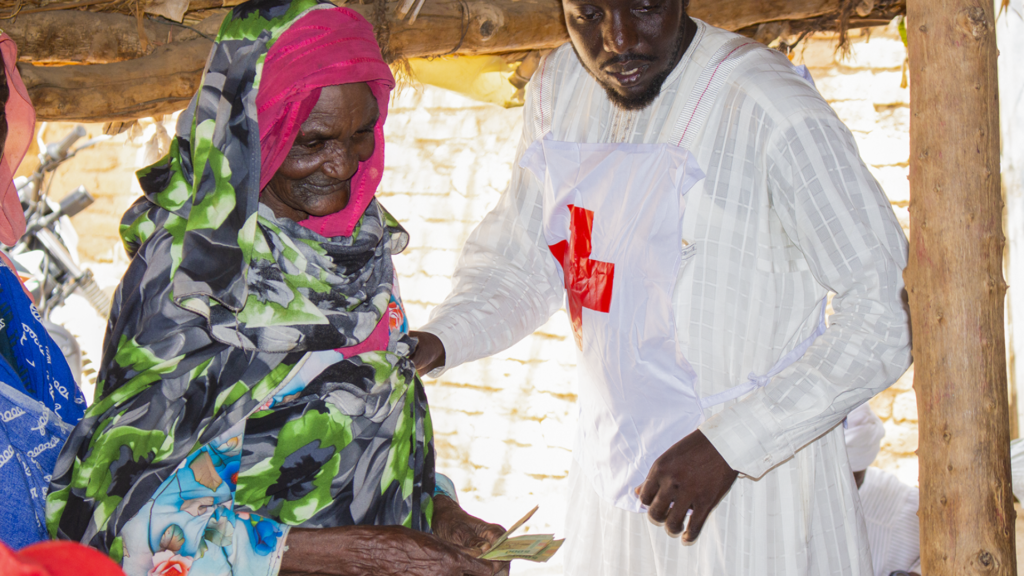
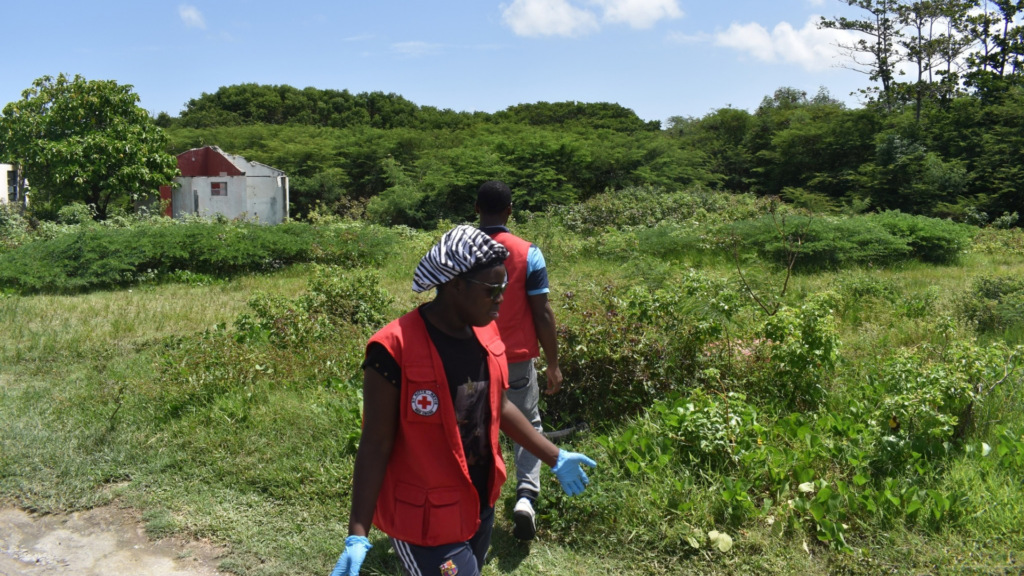
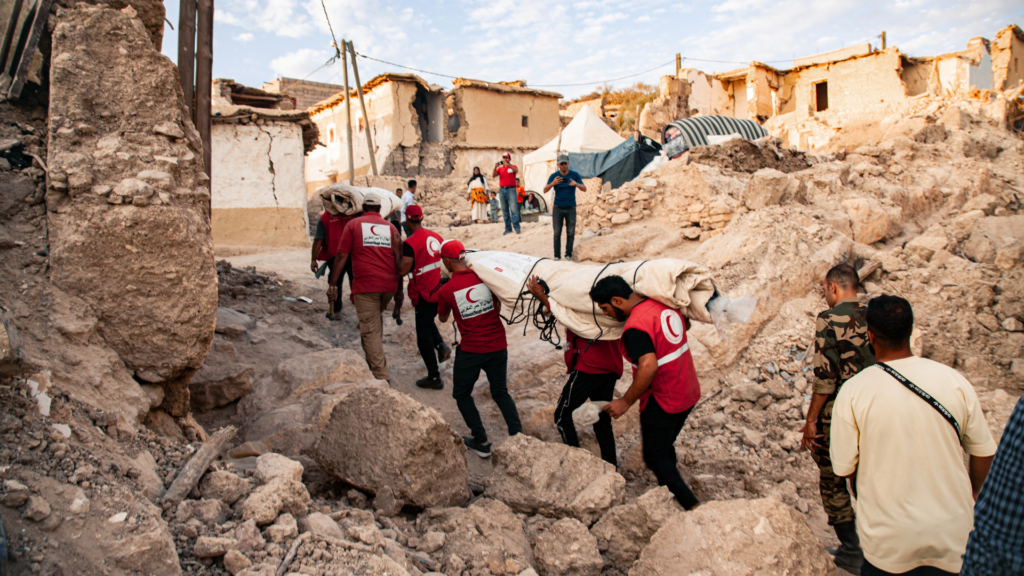
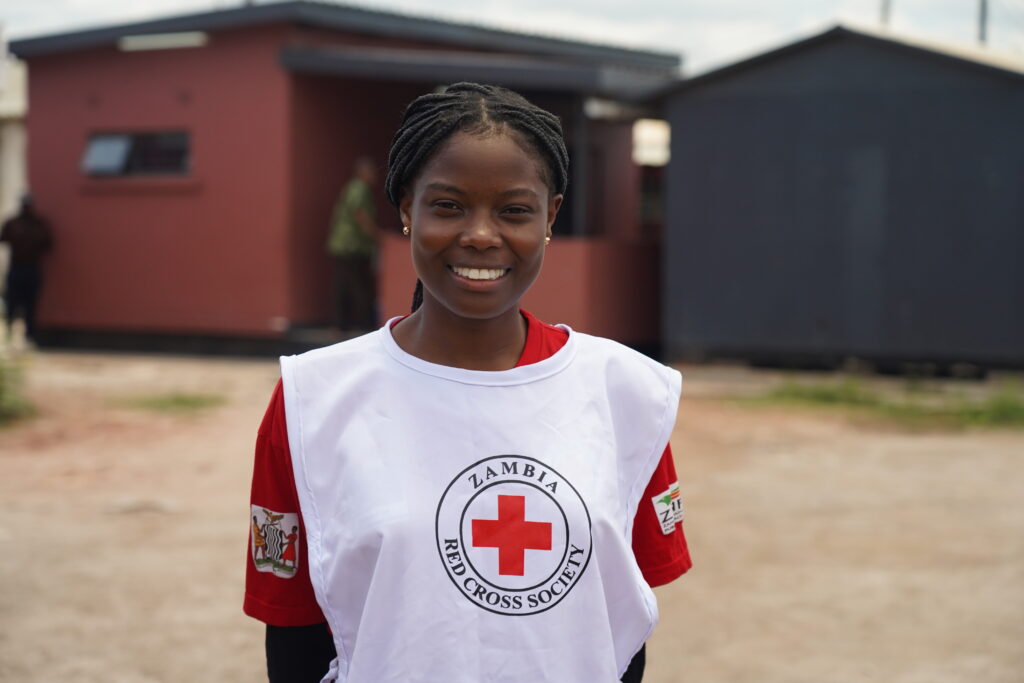
Support has been provided in more than 20 countries, across emergency response, protracted crisis and development contexts, including Ethiopia, Morocco, Uganda, Zambia, Ukraine and beyond.
Support follows a phased approach, moving from design to handover at a pace the National Society can absorb. It can include:
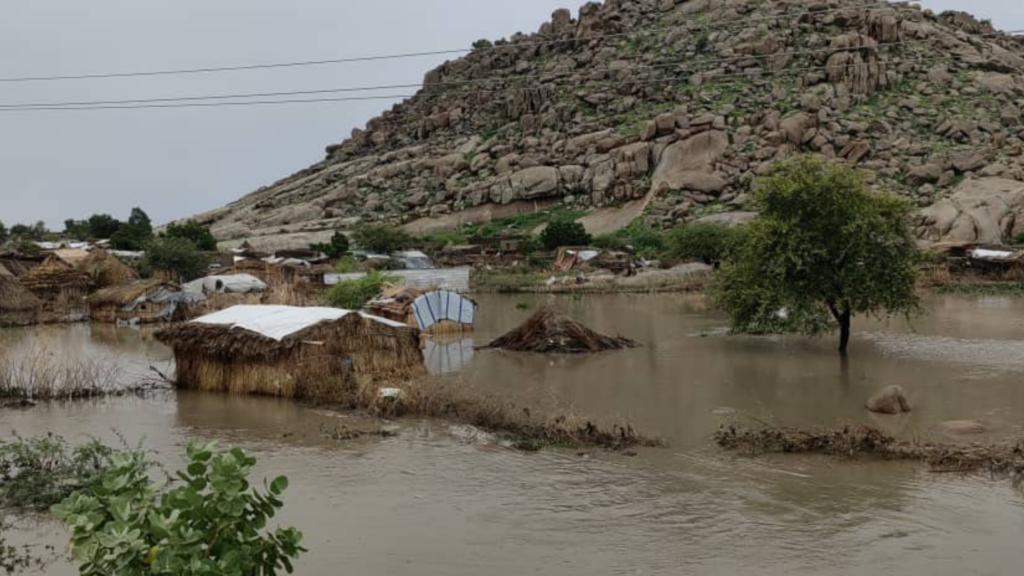
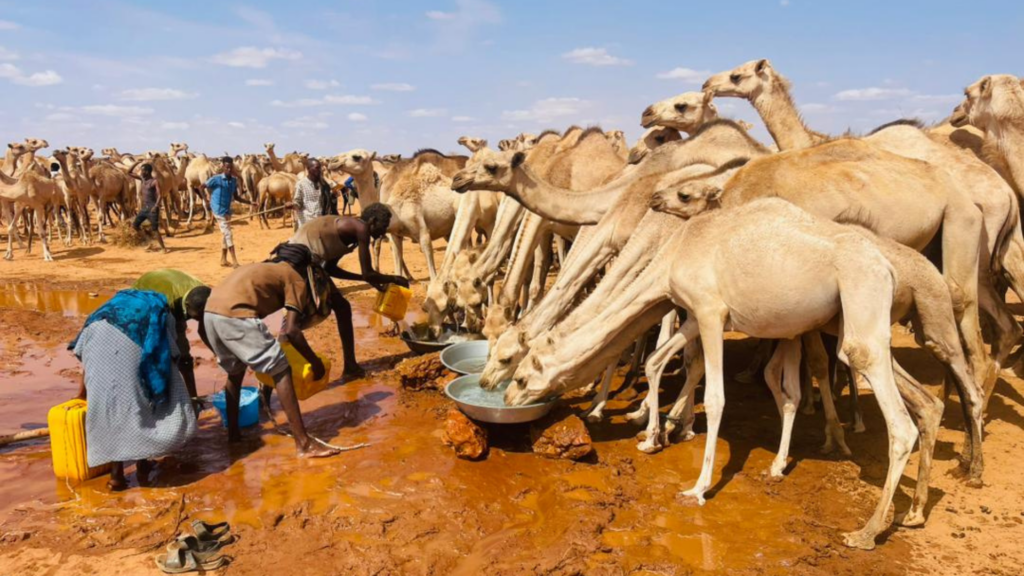
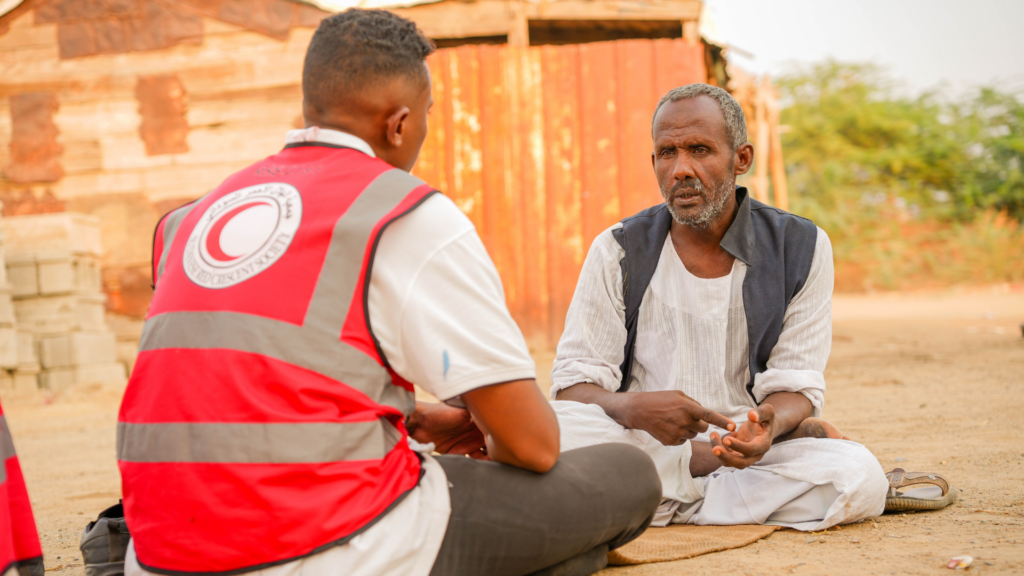
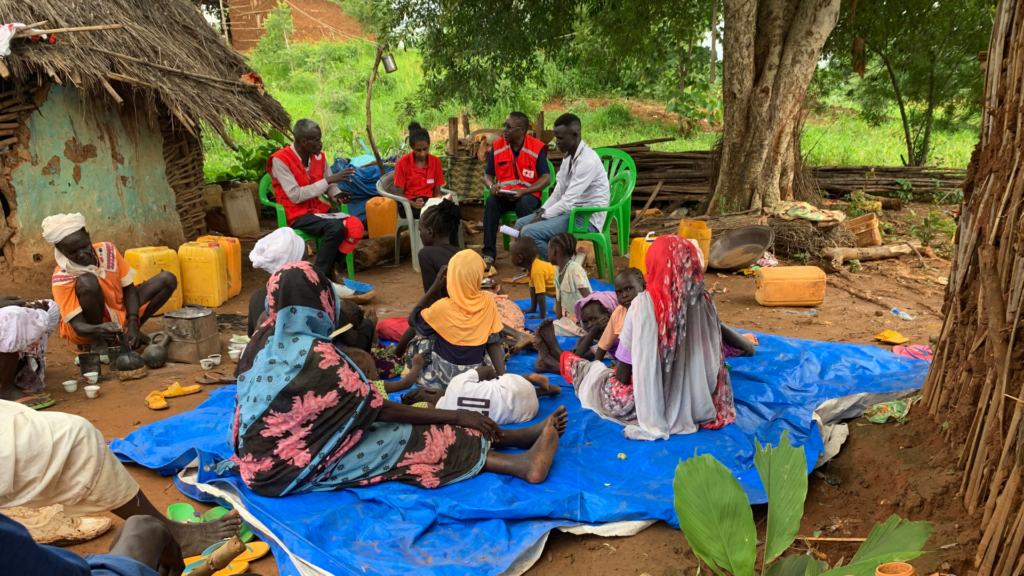
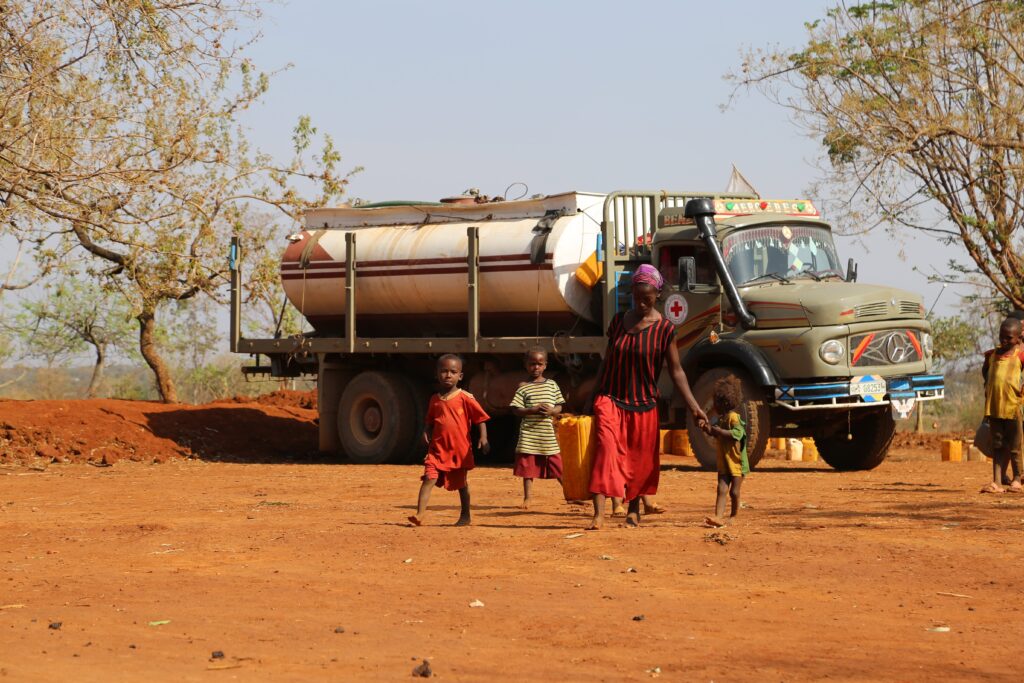
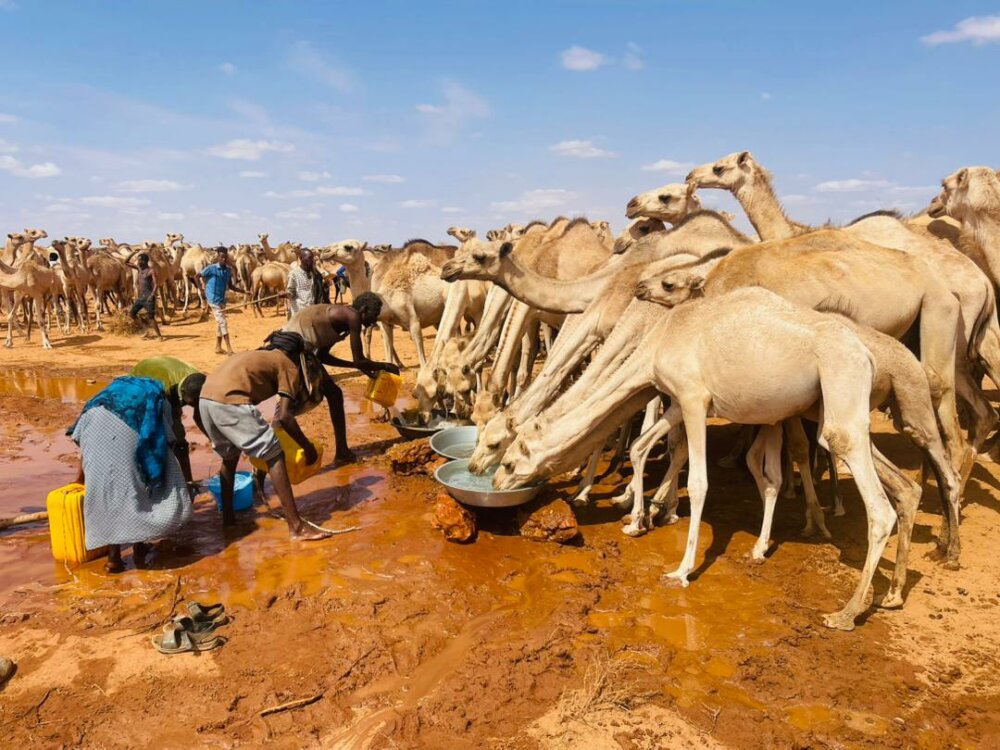
In Ethiopia, the Ethiopian Red Cross Society used mWater (data management platform) to map water points across two districts in the Somali region, creating a digital overview of water infrastructure that volunteers and planners can use to prepare for floods and droughts.