

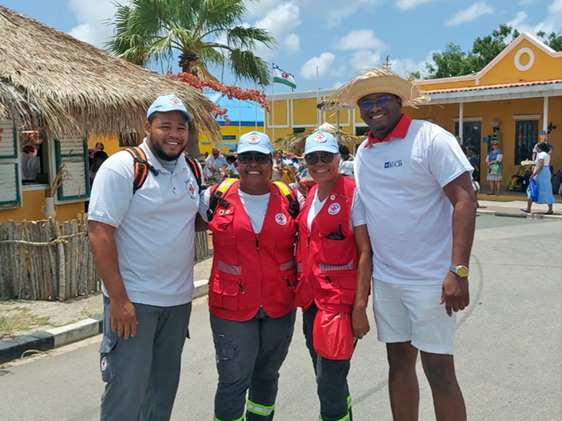
40 years of Red Cross Bonaire: a portrait
22 September 2026
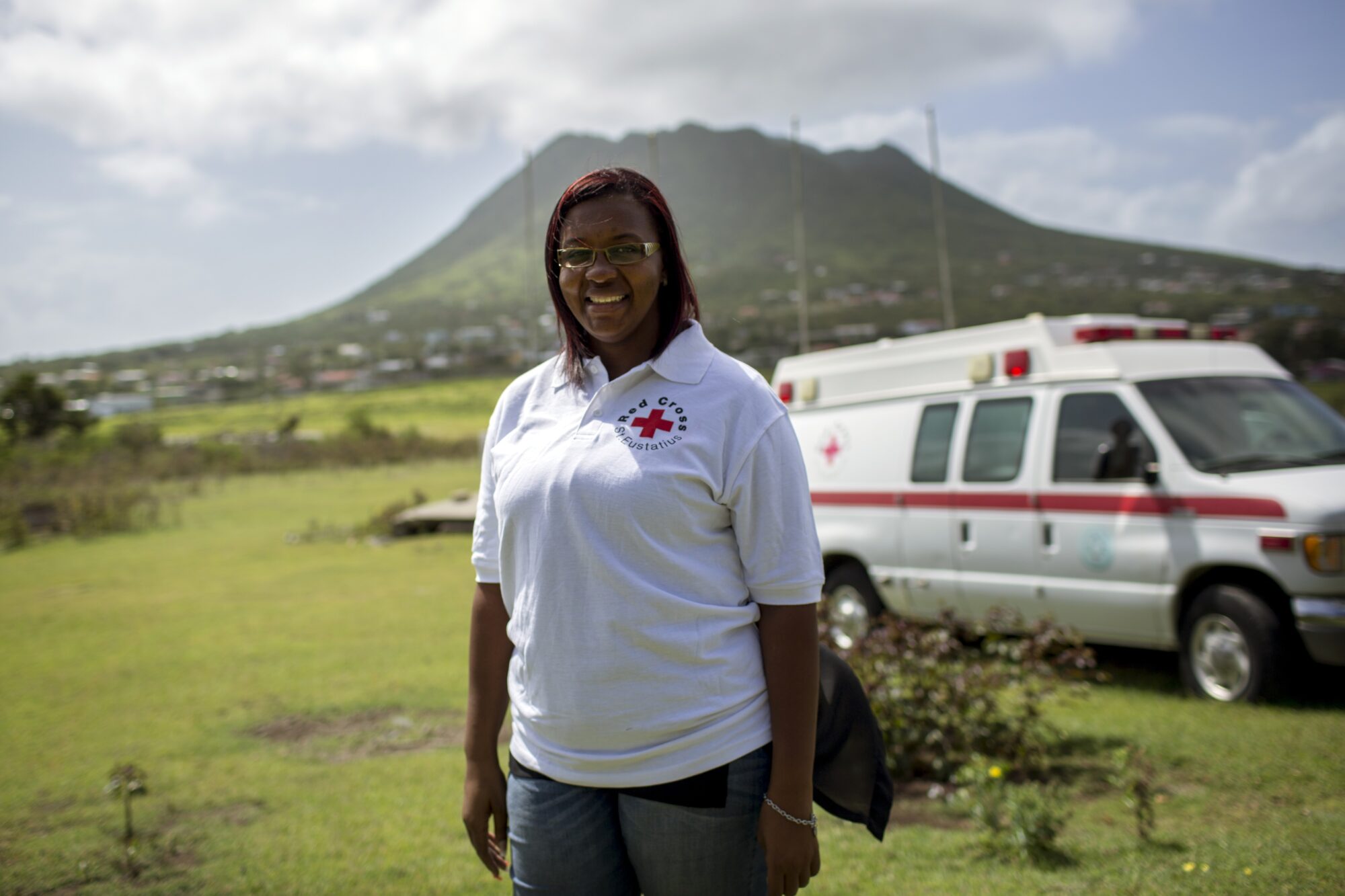
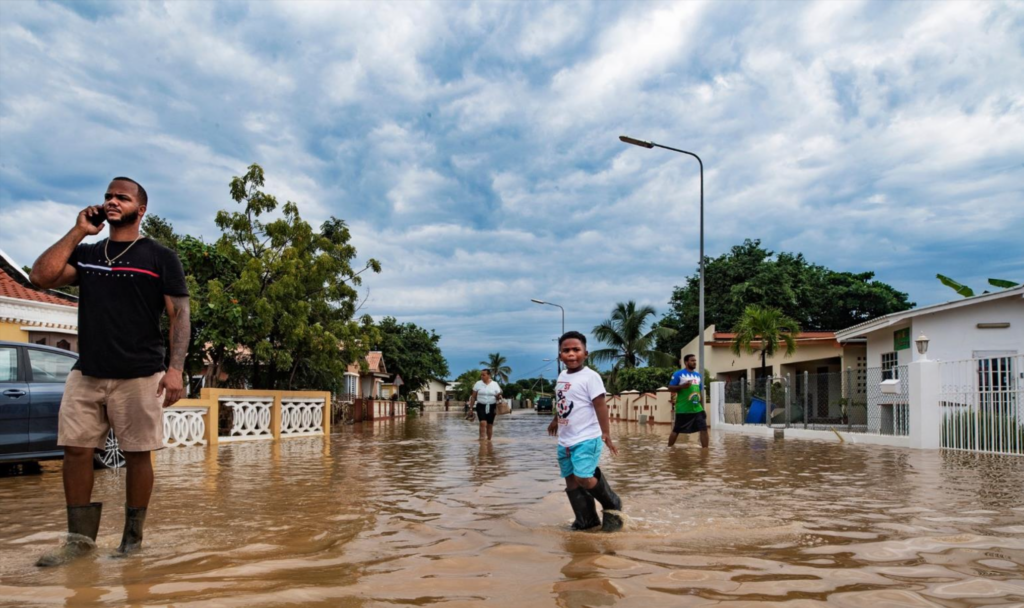
Bonaire, Sint Eustatius and Saba, together known as the Caribbean Netherlands since 10 October 2010, are three small special municipalities of the Netherlands itself, each facing a different climate risk. Bonaire, in the drier south, is expected to see more frequent drought as the climate warms, while Saba and Sint Eustatius sit directly in the Atlantic hurricane belt, facing storms of growing frequency and intensity. Populations range from just over 2,000 on Saba to around 22,500 on Bonaire, small enough that even a single storm, drought or economic shock can quickly overwhelm what these islands can handle on their own.
The Netherlands Red Cross on these three islands is not a separate National Society, these are branches of the Netherlands Red Cross itself, operating under a 1988 Dutch Royal Decree, amended in 2011, that gives the organisation its auxiliary role throughout the Kingdom. Because Bonaire, Sint Eustatius and Saba are special municipalities rather than separate countries, the Red Cross here is not operating in another country at all, it is The Netherlands Red Cross working within its own territory, several thousand kilometres from The Hague. Bonaire’s branch, the largest of the three, was officially founded on 1 April 1984 and marked forty years of service in 2024.
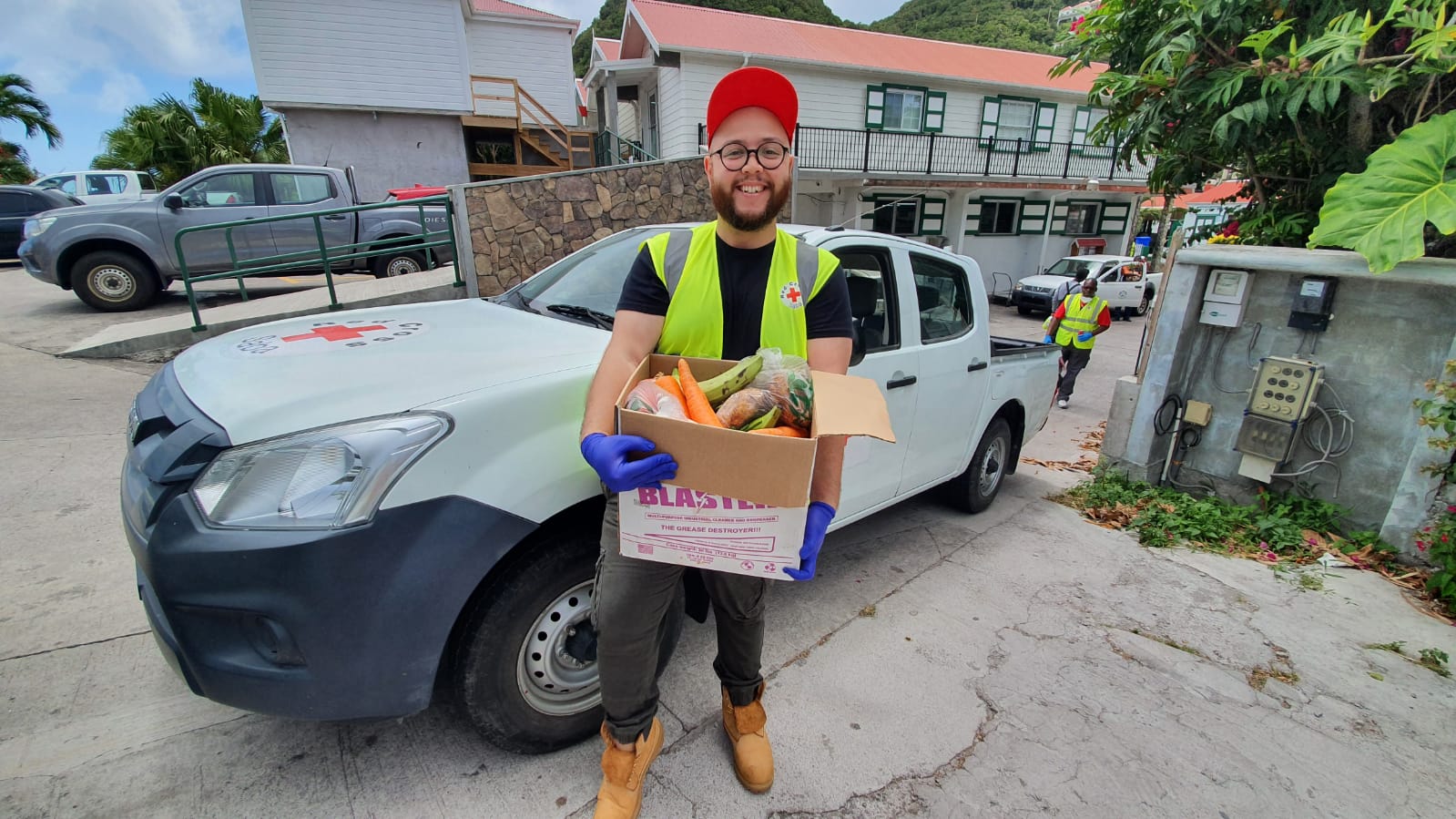
The Netherlands Red Cross supports the branches on Bonaire, Sint Eustatius and Saba in different ways, from everyday community support to preparing for the next hurricane season.
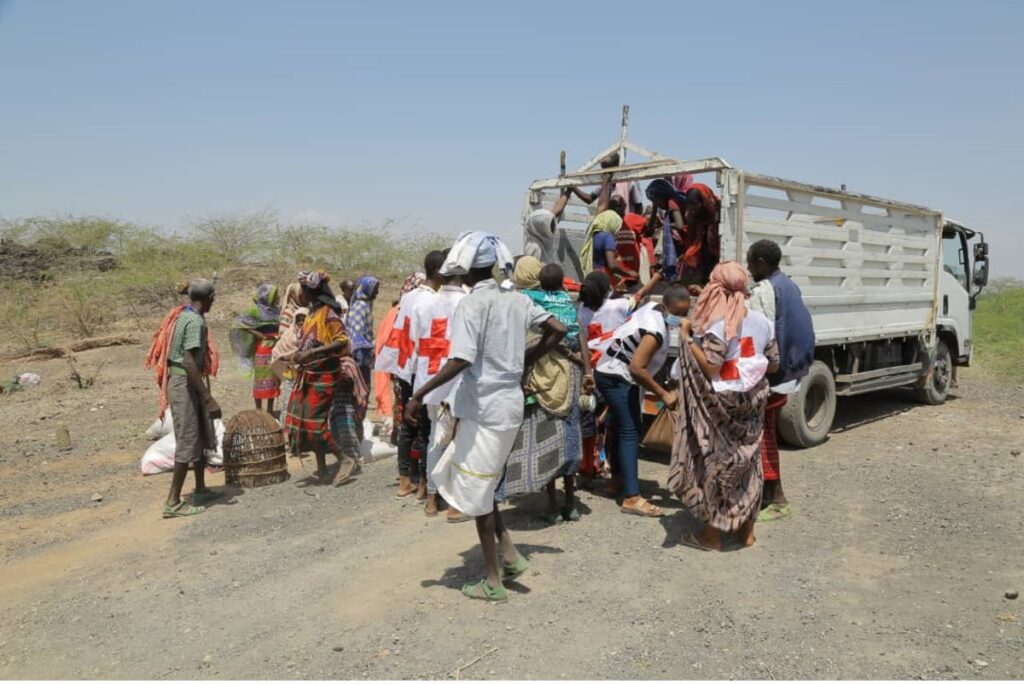
Through the Social Economic Programme, the Netherlands Red Cross provides food, hygiene support, shelter assistance and medical help to vulnerable residents on Bonaire, Sint Eustatius and Saba, including undocumented migrants who often fall outside other support systems. As special municipalities of the Netherlands, part of this work is funded through the Dutch Ministry of Social Affairs and Employment, specifically earmarked for food and hygiene support.
On Saba and Sint Eustatius, the Netherlands Red Cross maintains contingency plans and anticipatory action protocols, so that response can start before a hurricane makes landfall, not only after. Relief stocks are prepositioned both regionally, in Panama, and across the branch network, so that help does not depend on flights or shipping still running once a storm has hit.
Each of the three branches trains local residents in first aid, building a layer of emergency response that does not depend on outside help arriving in time. This work sits alongside the branches’ disaster response role, giving communities a basic level of capability whether the emergency is a storm, an accident, or something smaller.
When Hurricane Luis struck Sint Maarten in 1995, volunteers from Bonaire were among the first outside help to arrive, sleeping in a shipping container while running round-the-clock shelter shifts. That same spirit of mutual support between islands continues today, alongside regional and national intervention teams that can step in to support the government during emergencies. In 2024, the Bonaire branch marked 40 years of service, having been founded in 1984.
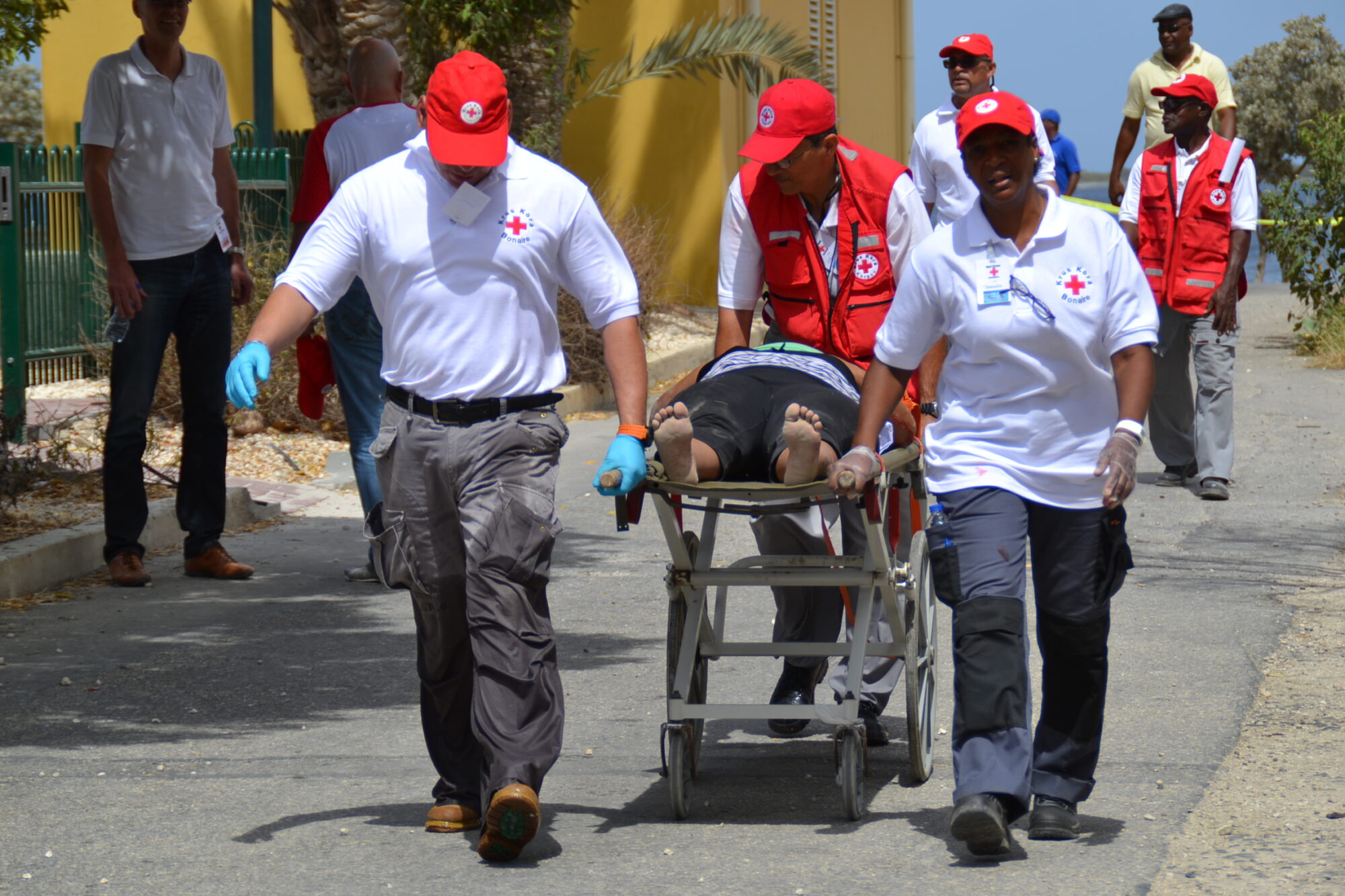
Bonaire, Sint Eustatius and Saba are not separate countries but special municipalities of the Netherlands itself, often referred to as Caribbean Netherlands, a status they have held since the Netherlands Antilles was dissolved on 10 October 2010. Because of this, the Netherlands Red Cross here is not operating in another country at all, it is the Netherlands Red Cross operating within its own territory, several thousand kilometres from The Hague, which is a genuinely different legal position from Aruba, Curaçao and Sint Maarten, which are each their own country within the Kingdom.
In practice, this means each of the three branches runs its own day-to-day operations, led by local staff and volunteers, while the Netherlands Red Cross provides funding, coordination and technical support from a regional and national level.
This relationship rests on a Dutch Royal Decree issued in 1988 and amended in 2011, which gives the Netherlands Red Cross its auxiliary role across the whole Kingdom. For Bonaire, Saba and Sint Eustatius specifically, this auxiliary role sits squarely within Dutch domestic law, rather than crossing into another country’s jurisdiction the way it does for Aruba, Curaçao and Sint Maarten.