

Water at the Heart of Climation Action
31 August 2026
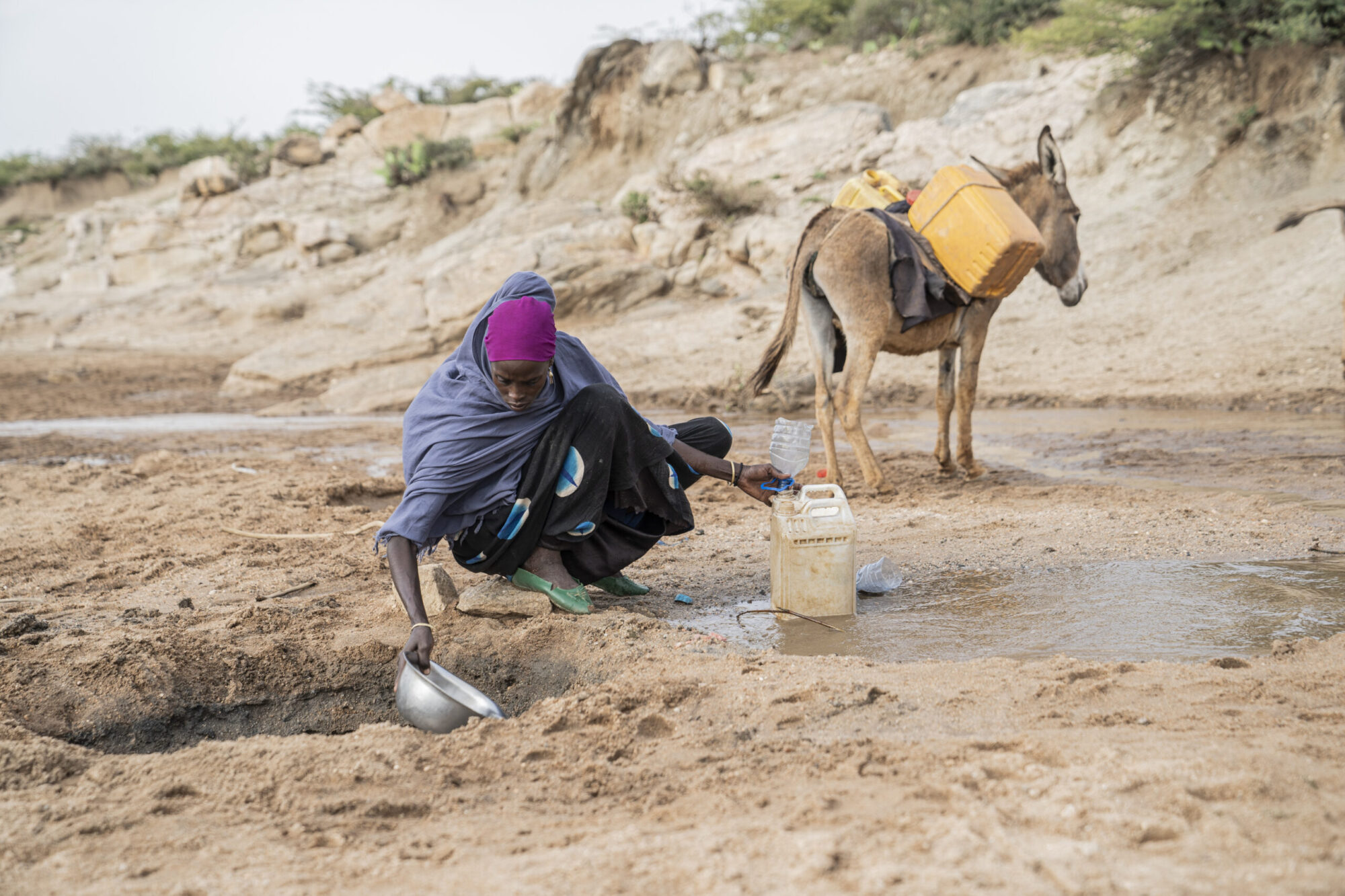
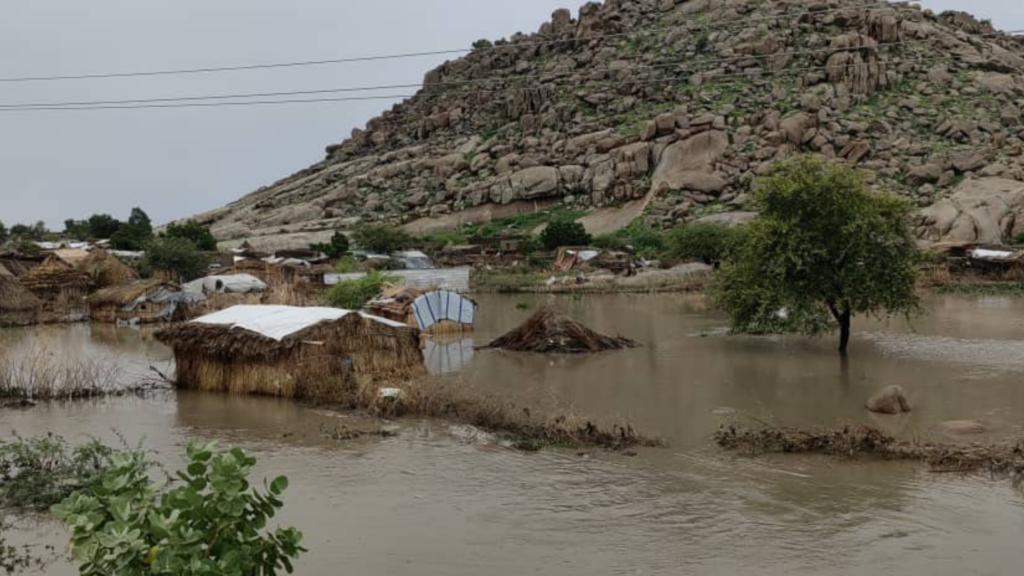
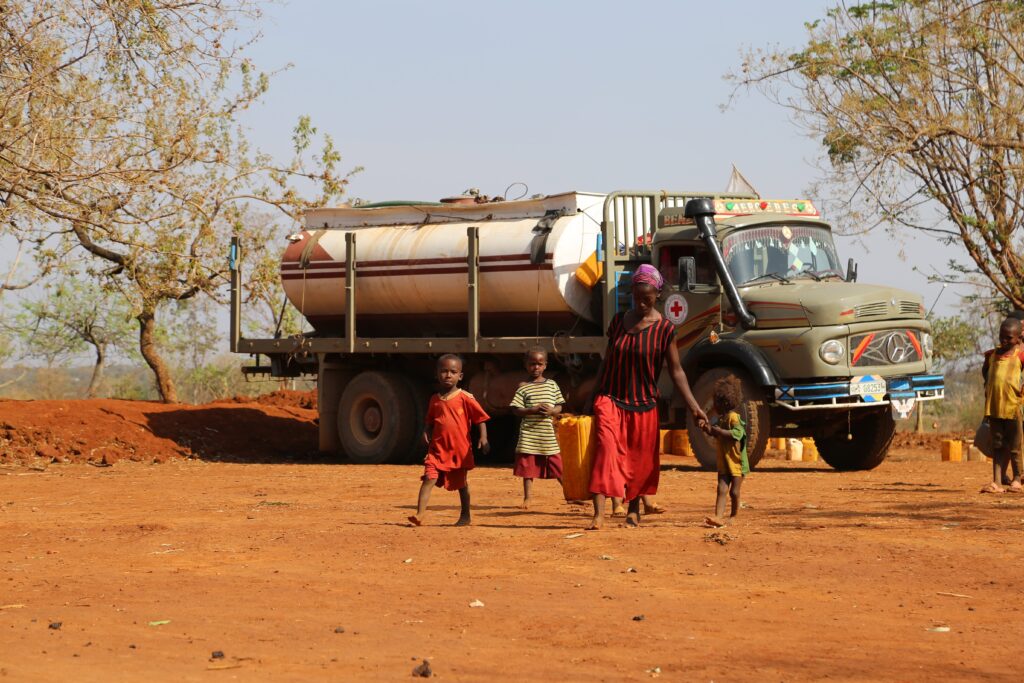
Water is the starting point. It is where climate resilience begins, where disaster risk can be reduced, and where local communities gain the ability to act in time. Water at the Heart of Climate Action (WHCA) is one of the Dutch voluntary commitments to the Water Action Agenda of the 2023 UN Water Conference. Since then, it has grown from a joint ambition into a multi-year programme in five Nile basin countries: Ethiopia, Rwanda, South Sudan, Sudan and Uganda, and it has evolved from separate, country-specific activities into an integrated early warning-early action chain. A consortium of the Netherlands Red Cross, IFRC, the Red Cross Red Crescent Climate Centre, SOFF, UNDRR and WMO delivers it, funded by the Ministry of Foreign Affairs of the Netherlands. Since early 2026, the Italian government has also funded community activities in Ethiopia, Sudan and South Sudan.
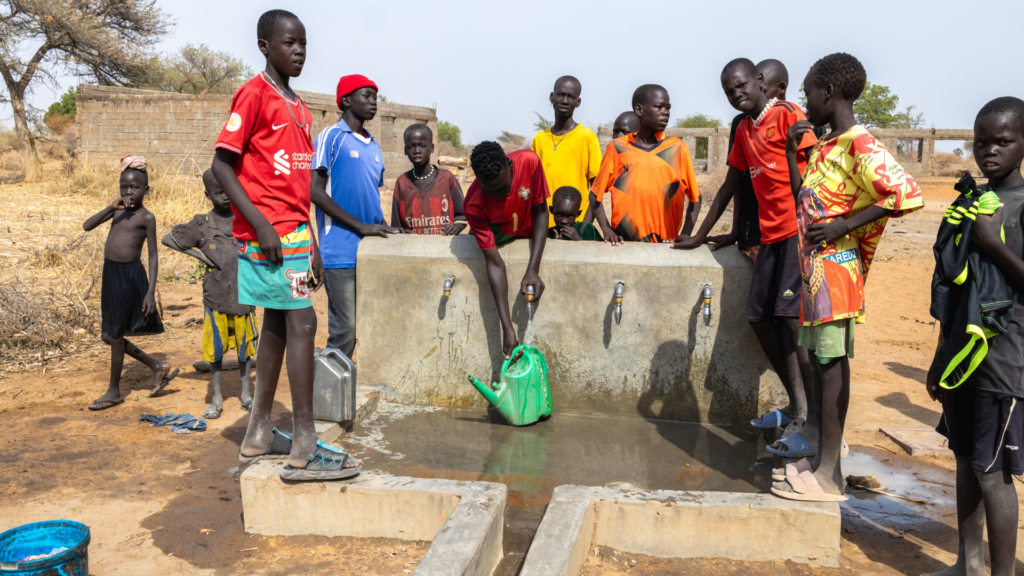
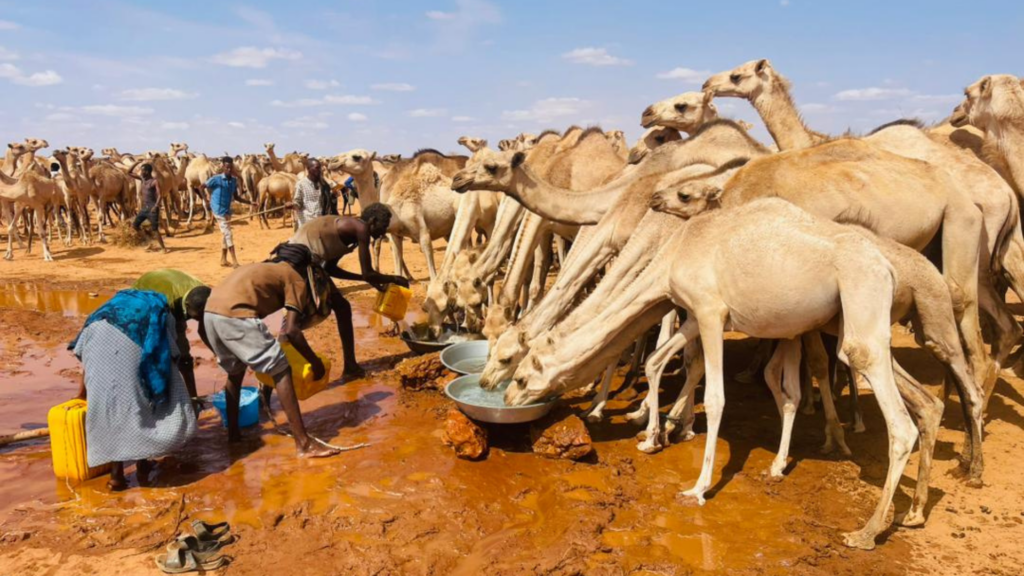
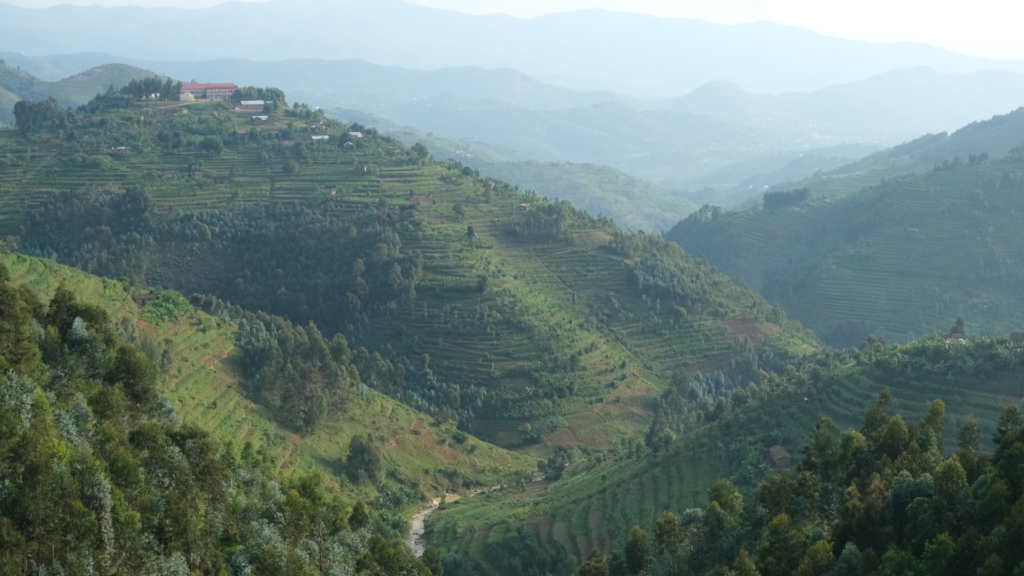
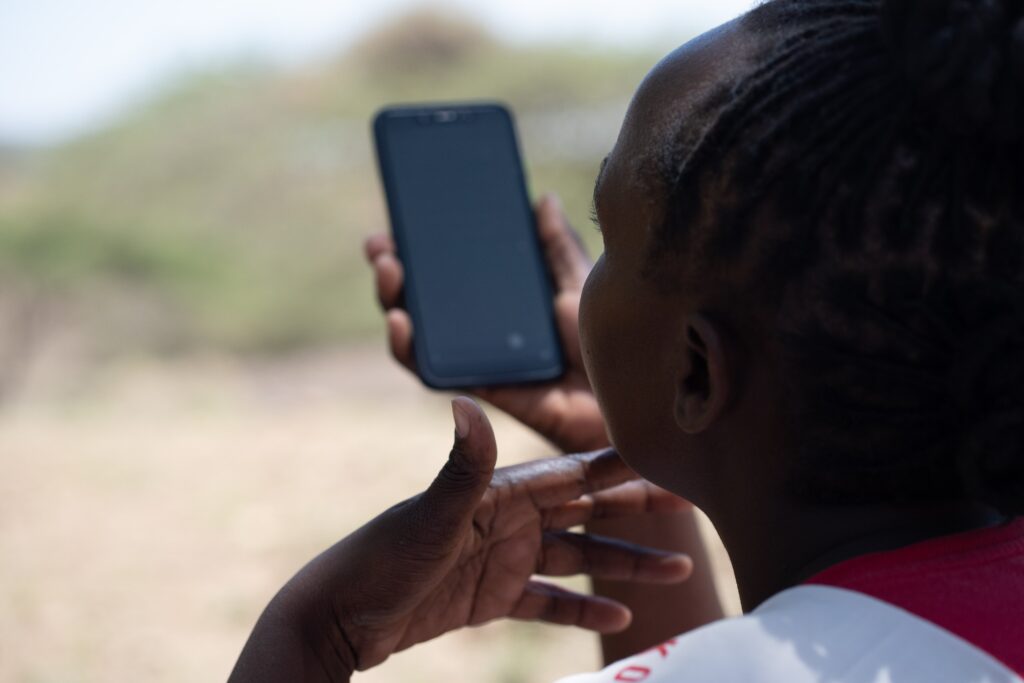
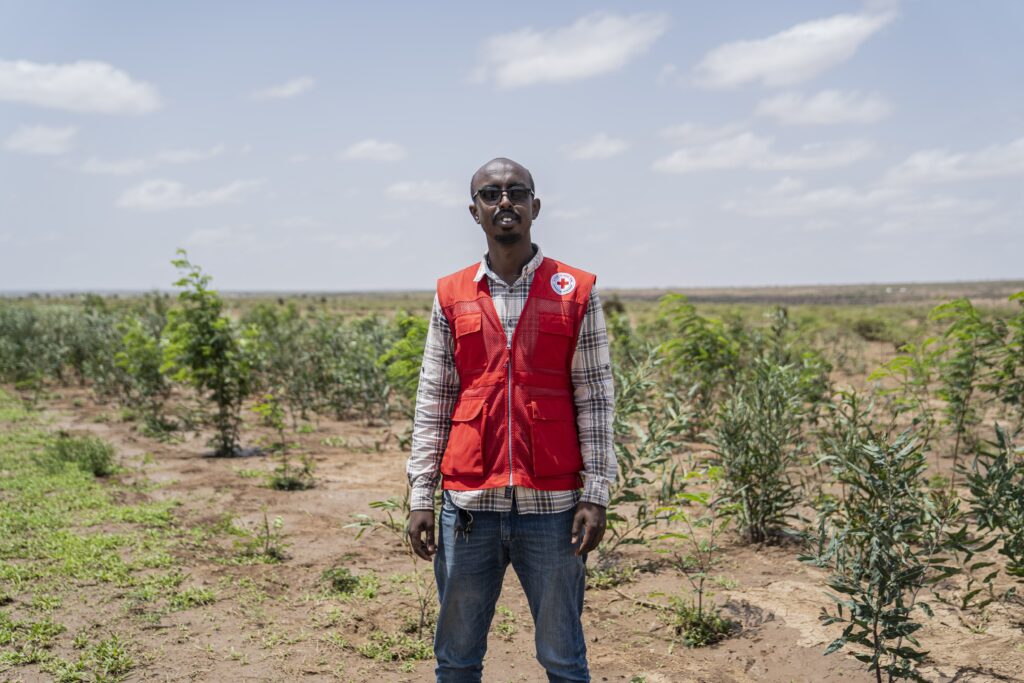
The goal is to link national systems to local action. Weather models, flood data and hydrological measurements only protect people when they become warnings that arrive in time, in a form people understand, through channels they trust, and when communities and local authorities can act before a disaster occurs. In South Sudan, that has meant shifting from ad hoc response to trigger-based anticipatory action through a simplified Early Action Protocol (EAP) for floods. At community level, it means technical information is given local ownership and translated into concrete choices that protect lives, livelihoods and dignified access to water. So that when heavy rain is on its way, a tea farmer in Karongi, Rwanda, is already reinforcing her terraces.
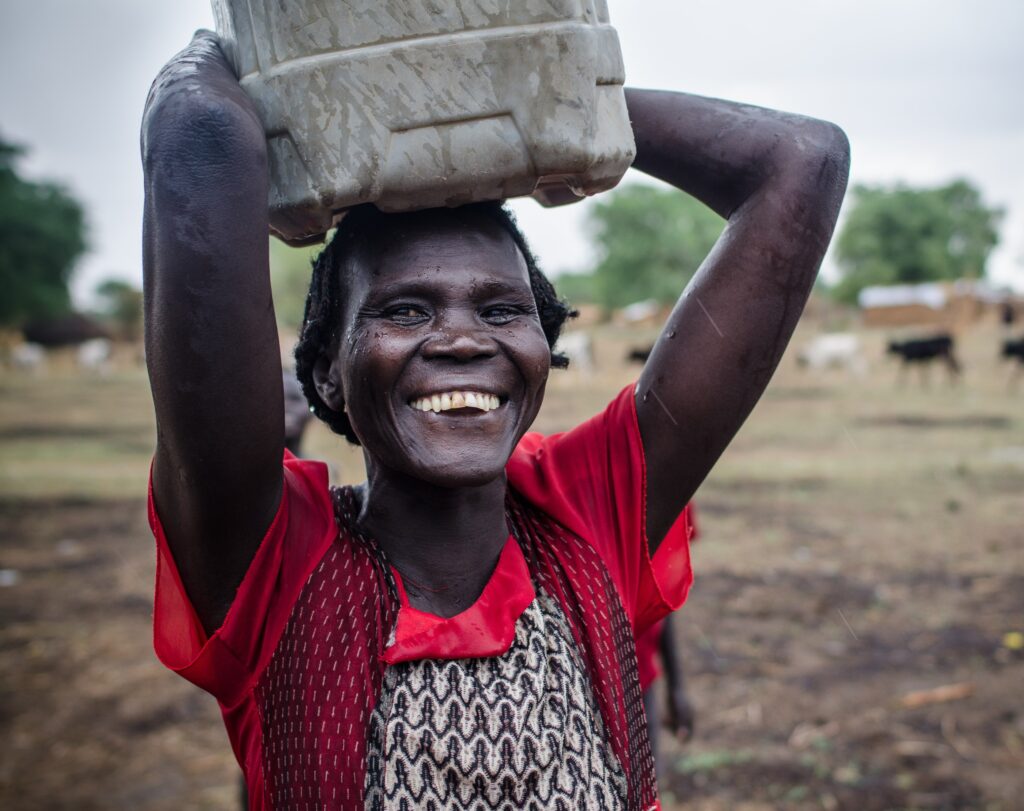
WHCA works as a consortium in which each partner brings its own expertise. UNDRR and national disaster management authorities contribute risk governance and disaster risk information; WMO, SOFF and national meteorological and hydrological services contribute observation, monitoring and forecasting; and the Red Cross Red Crescent Movement contributes early warning communication, anticipatory action and locally-led adaptation. Community engagement, protection, gender and inclusion, and institutional strengthening run through all of it.
A short introduction to the programme, what it does and why it matters.