

IFRC Emergency Response Framework
03 September 2026
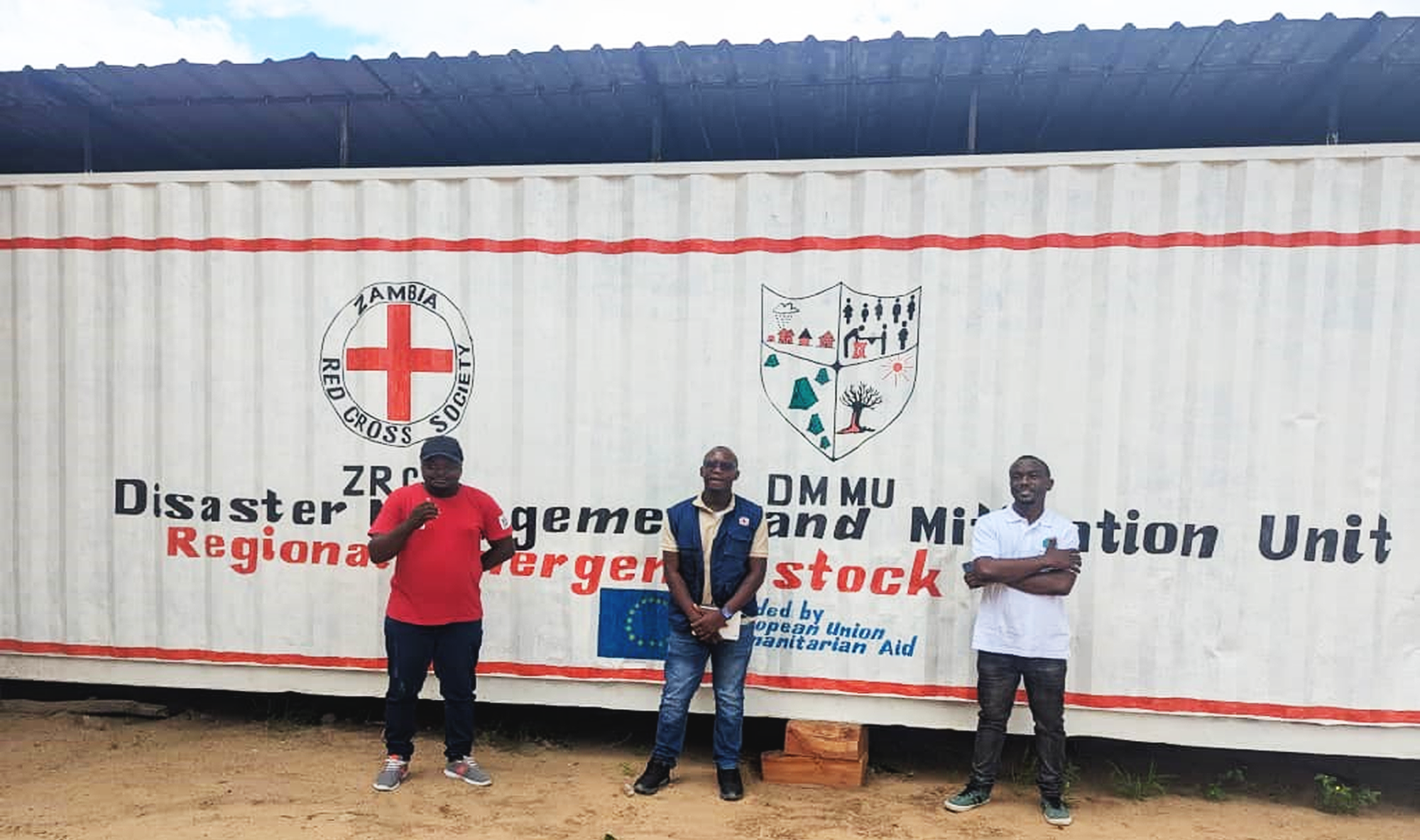
Warehousing is the backbone of humanitarian assistance. It ensures that vital aid supplies can be stored, managed, and rapidly deployed during crises. Effective warehouse management allows humanitarian organizations to track supplies and their expiry dates in real-time, minimizing waste while maintaining stock availability. By optimizing warehouse information management, aid organisations can reduce suffering in disaster-affected communities. The Zambia Red Cross Society, in collaboration with the Netherlands Red Cross, has pioneered a centralised digital stock management tool. This easy-to-use system, maintained autonomously by the National Society, proves how the interplay of readily available applications can enhance operational efficiency without incurring significant expenses.
While effective warehouse management is critical to humanitarian operations, National Societies often grapple with tracking incoming and outgoing goods, monitoring stock levels, and ensuring timely distribution during emergencies. Paper-based tracking methods can be tedious and error-prone, frequently causing delays. Recognizing these challenges, the Zambia Red Cross Society sought a solution to streamline their warehouse operations through a user-friendly system.
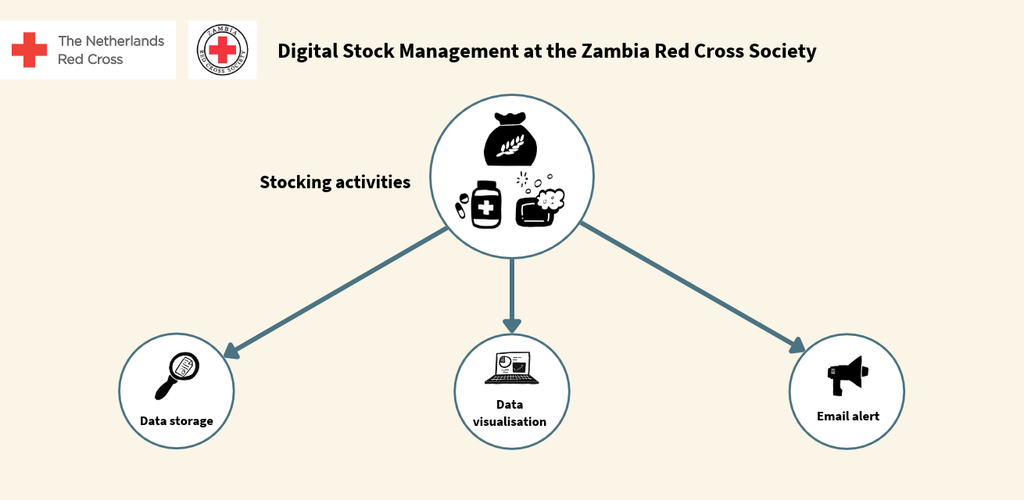
The National Society, guided by the Netherlands Red Cross, integrated three primary tools into their stock management system. Data collection tool Kobo records details of goods entering the warehouse, including item types, quantities, and expiration dates. The information collected through Kobo is pulled to an Excel sheet for storage and analysis, and visualised in a Power BI dashboard for a comprehensive overview of stock levels across warehouses to facilitate informed decision-making, timely restocking, and efficient reporting. Leveraging these three tools is cost-effective, operational offline, easy to navigate through a familiar look and feel, and provides users with handy email alerts on stock movement or expiry. This approach ensures that the National Society can maintain and adapt the system as needed, and therefore fully own it.
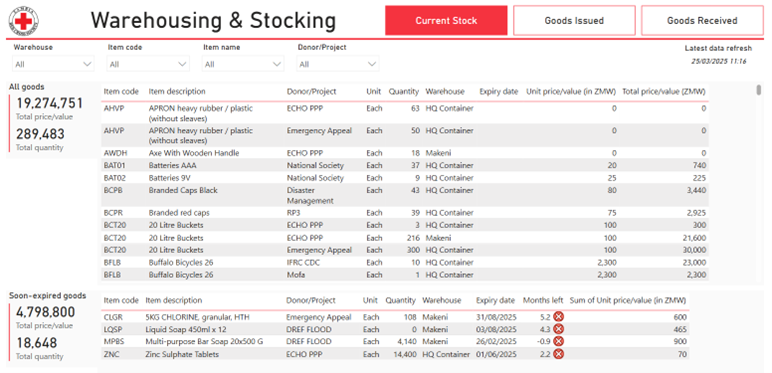
This customized data management system has resulted from close partnership between the Zambia Red Cross Society and the Netherlands Red Cross, showing that working together is essential for strengthening humanitarian response. By combining local knowledge with technical expertise, the collaboration enabled the development of a digital warehouse management system tailored to the Zambia Red Cross Society’s needs, empowering the National Society to use it independently. Joining forces in this way can drive innovation and create scalable solutions that benefit a global humanitarian network.
The success of the Zambia Red Cross Society’s digital warehouse management system offers valuable insights for other National Societies facing similar challenges. The collaboration between the Zambia Red Cross Society and the Netherlands Red Cross exemplifies how tailored digital solutions can revolutionize warehouse management in the humanitarian context. By championing simple, locally led solutions, National Societies can enhance their operational efficiency and responsiveness – demonstrating that significant improvements are within reach, without substantial investments or complex infrastructures required.