

IFRC GO Platform
15 September 2026
When a disaster strikes and a National Society cannot cover the response on its own, financial support from within the Red Cross Red Crescent Movement can be the difference between a timely response and one that arrives too late. The mechanisms that make that possible, from rapid emergency funds to large-scale coordinated appeals, depend on National Societies and partner organizations committing resources before the need is fully known.
The Netherlands Red Cross is one of the consistent financial contributors to global emergency operations in the Red Cross Red Crescent Movement. Support flows through established mechanisms: the International Federation of Red Cross and Red Crescent Societies (IFRC)’s Disaster Response Emergency Fund (DREF) for rapid, flexible financing; IFRC-wide appeals for larger or more complex operations; and bilateral contributions to domestic appeals where partner National Societies are leading their own response. Where relevant, contributions extend to International Committee of the Red Cross (ICRC) Appeals in response to crises involving conflict and detention.
A particular focus is the anticipatory pillar of the IFRC’s DREF, which funds early action before a disaster fully unfolds. This reflects a broader commitment to acting earlier and more effectively, rather than waiting until damage is done.
Support has been provided across acute and chronic crisis contexts, in all partner countries of the Netherlands Red Cross.
Financial contributions are channeled through Red Cross Red Crescent Movement mechanisms and follow established governance processes. They can include:
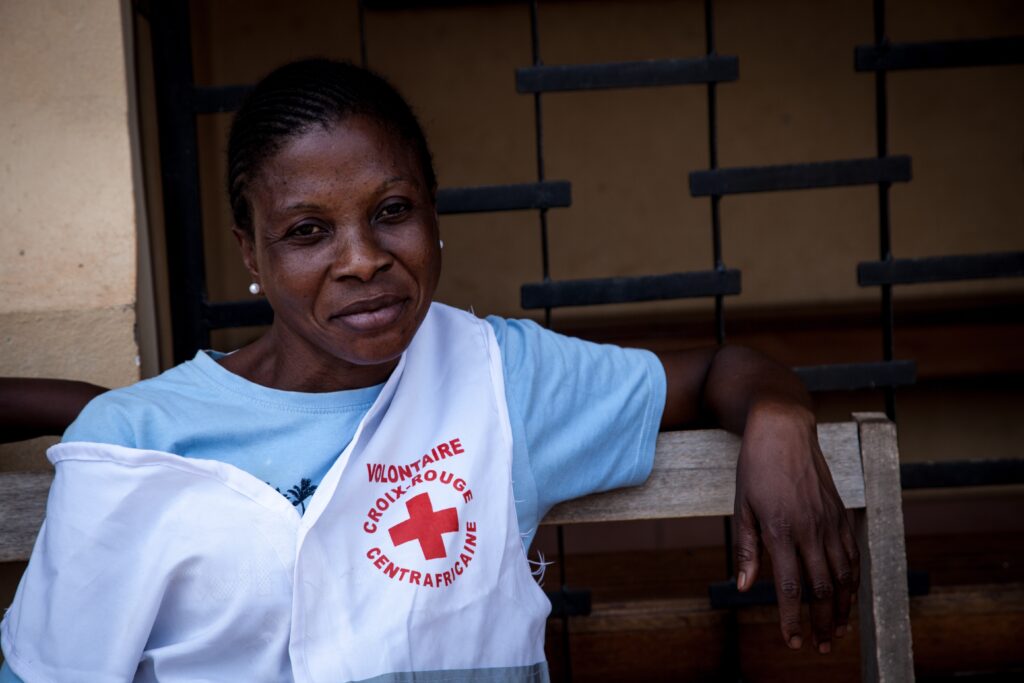
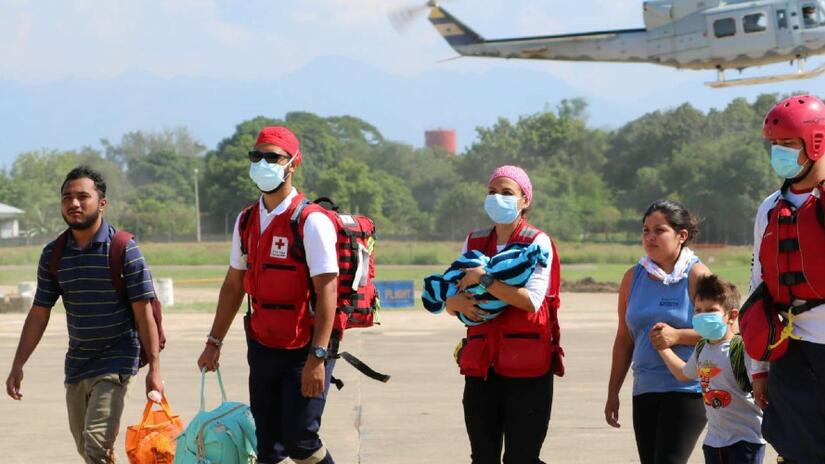
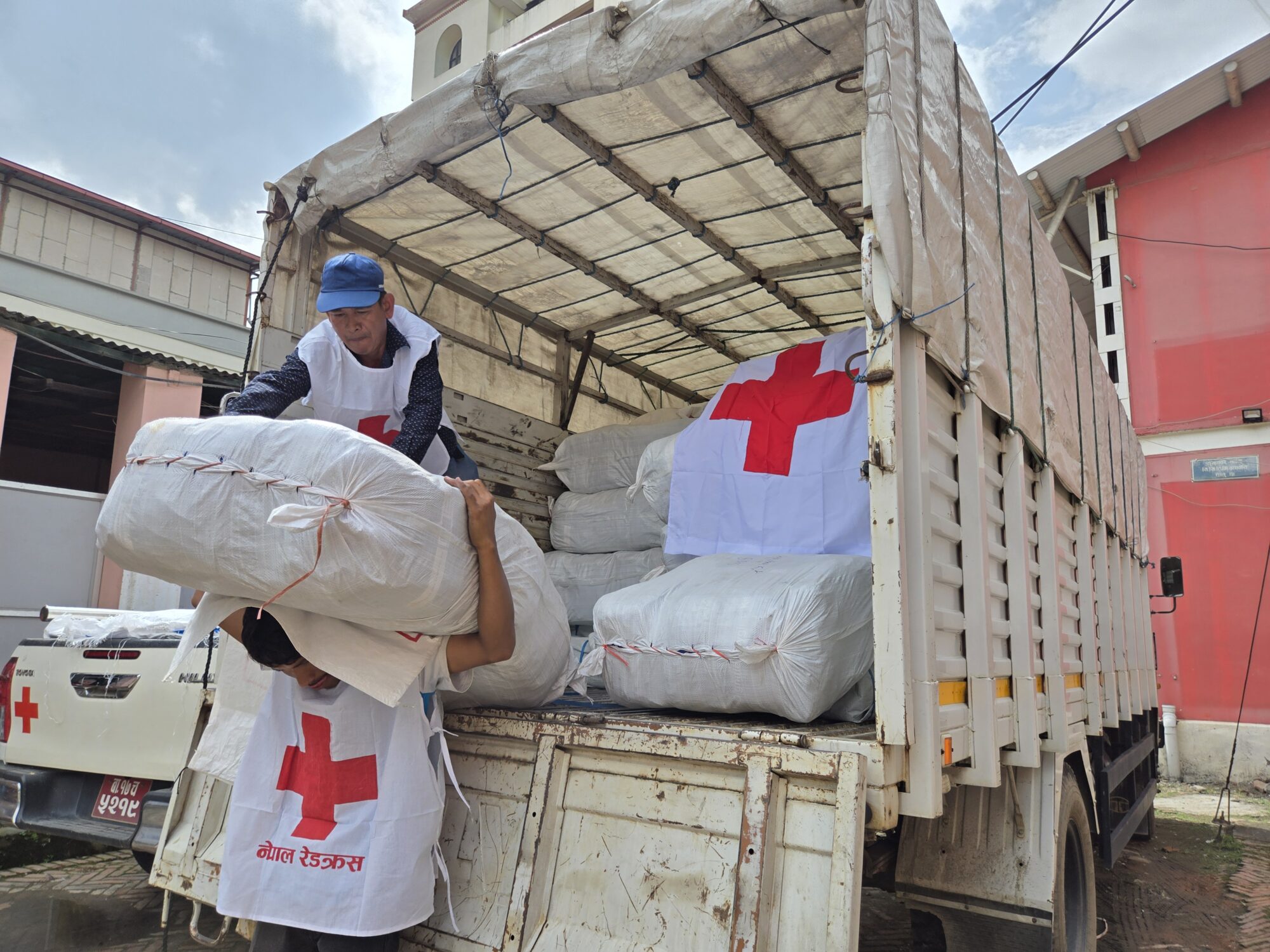
When disaster strikes, National Societies are already there: embedded in their communities, trusted by the people they serve, with volunteer networks ready to move. What financial contributions make possible is that they can act on that readiness immediately, without waiting for resources to arrive from elsewhere.